After surgery, swelling shows up almost immediately, and it is one of the biggest reasons recovery feels slow and uncomfortable. Compression therapy is a simple, proven way to keep that swelling in check while your body heals. You have likely felt it before without giving it a name, from the snug wrap on a sprained ankle to the sleeve a nurse fits after an operation, and the gentle pressure it provides does real work during recovery.
Compression therapy applies steady, gentle pressure to an injured or post-surgical area, usually through a wrap, sleeve, or garment fitted to the spot that needs it. That pressure is doing more than holding things snug. It works directly against the swelling that follows almost any surgery or injury.
Two things happen underneath it. First, the pressure limits the space where fluid can collect, so swelling and edema have less room to build. Second, it supports the vessels that move blood and lymph fluid, which helps your body drain the excess instead of letting it pool. When fluid sits in the tissue, it presses on nerves and slows healing, so keeping it moving is a large part of why compression makes recovery more comfortable. Less standing fluid means less pain and a smoother path back to normal.
Surgery leaves tissue swollen, tender, and slow to drain on its own. Compression steps in to make that stretch easier in several ways.
Each of these points toward the same result: a recovery that feels more comfortable and moves along faster. That is why compression therapy after surgery has become a standard part of orthopedic recovery.
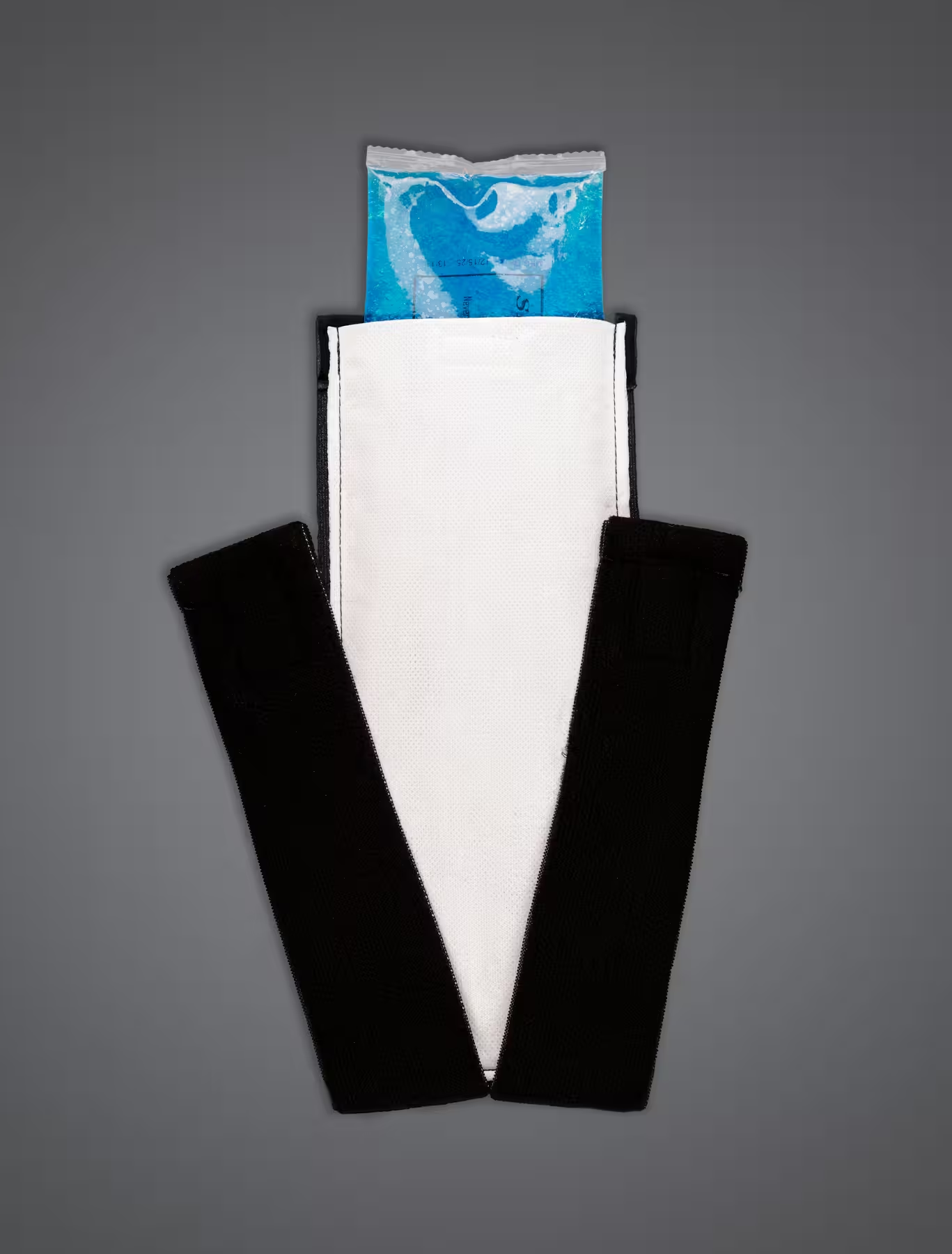
Compression works well on its own, and it works even better paired with cold. Cold slows blood flow to calm swelling and numb pain, while compression drives that cold deeper into the joint and holds down the space where fluid pools. Neither one reaches its full potential alone. A loose ice pack sits on the surface and slides out of place, and pressure without cold misses the pain-calming punch that cold therapy brings.
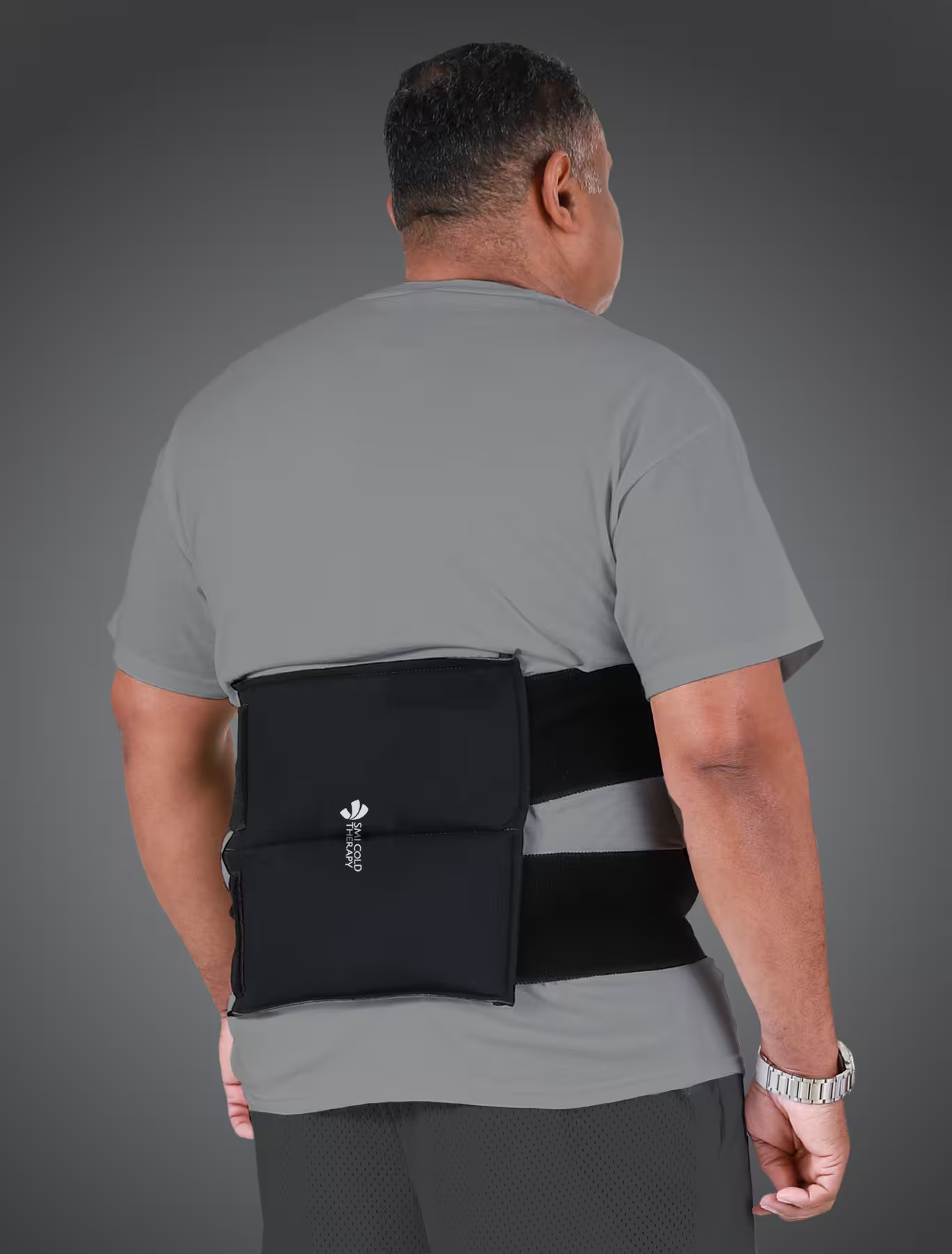
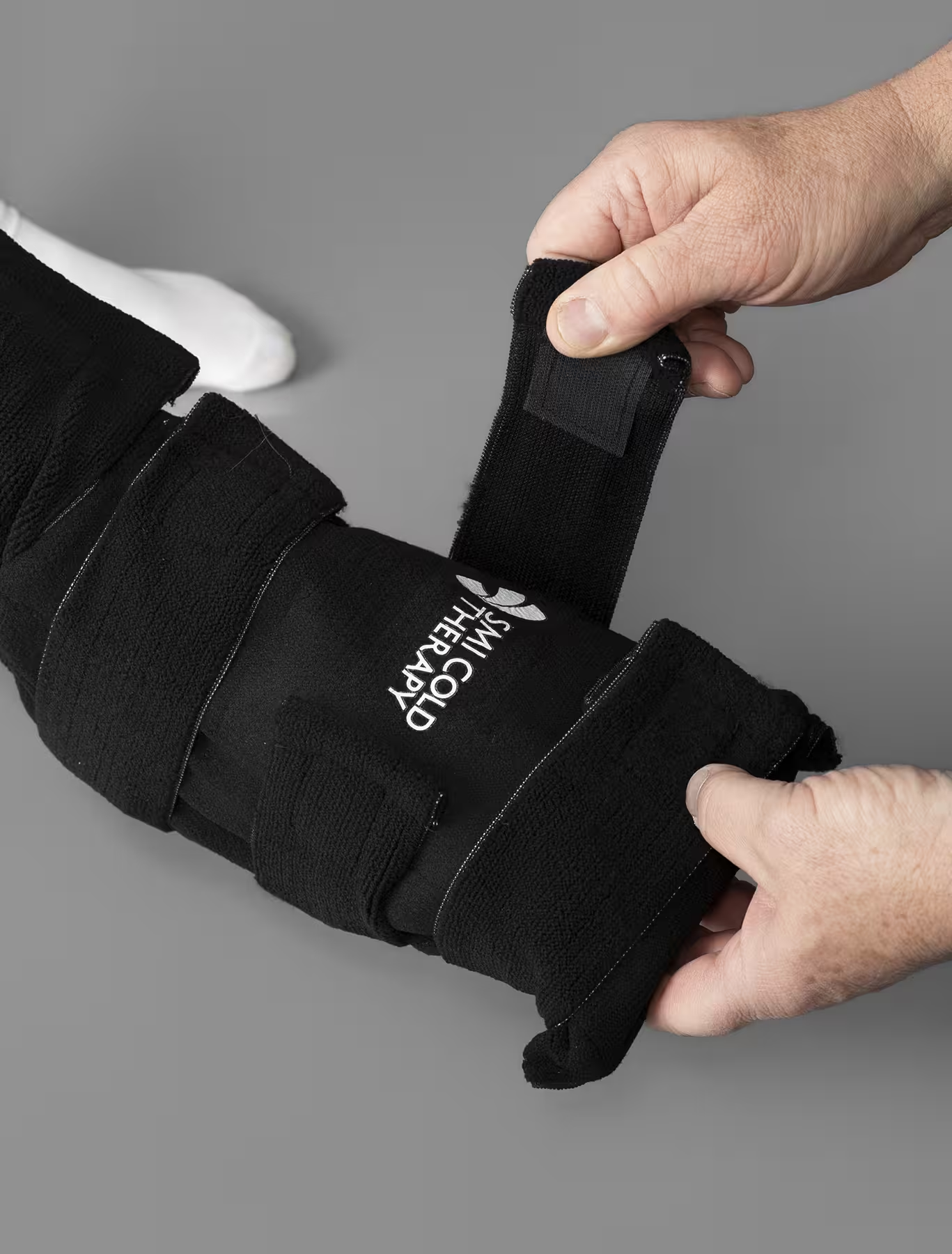
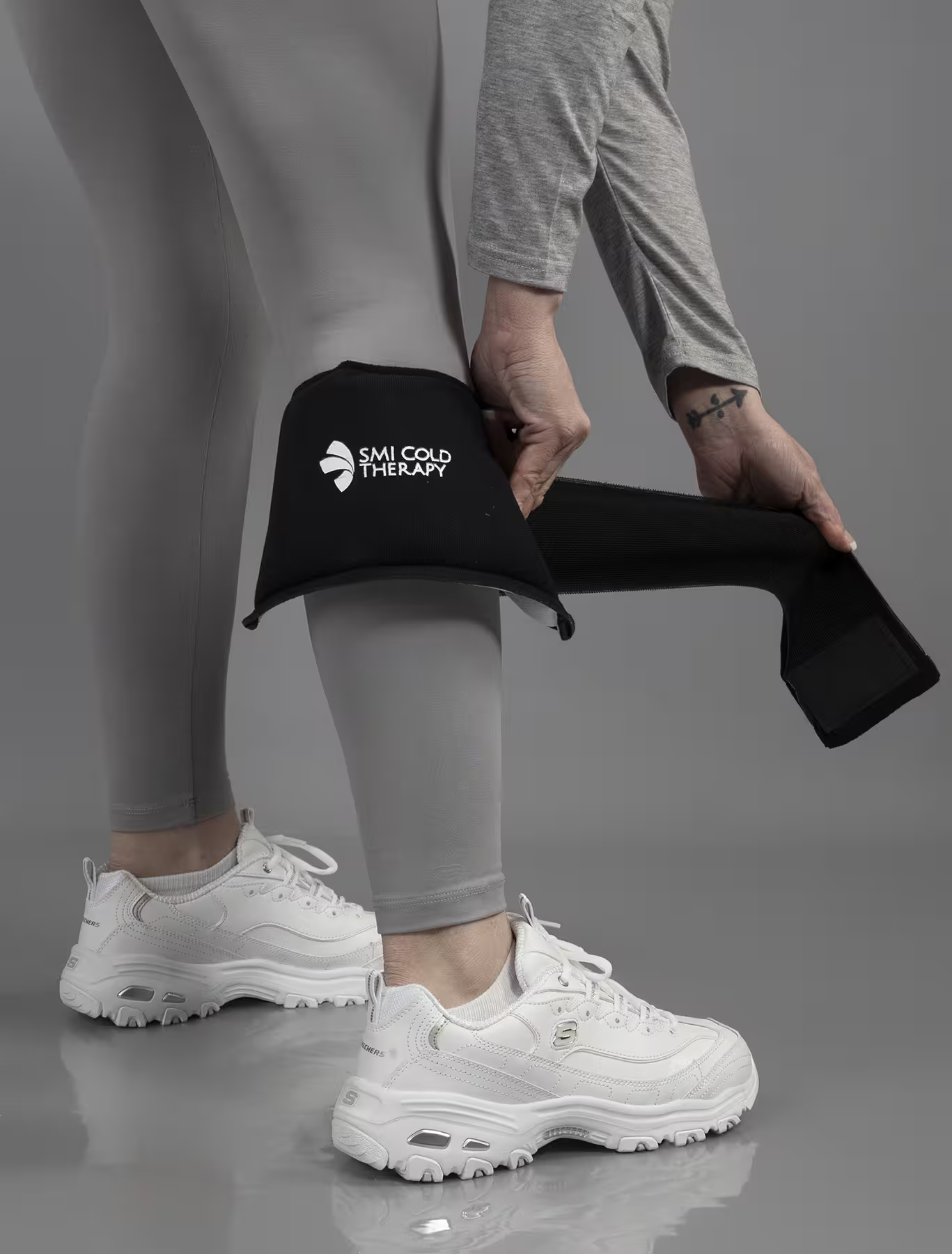
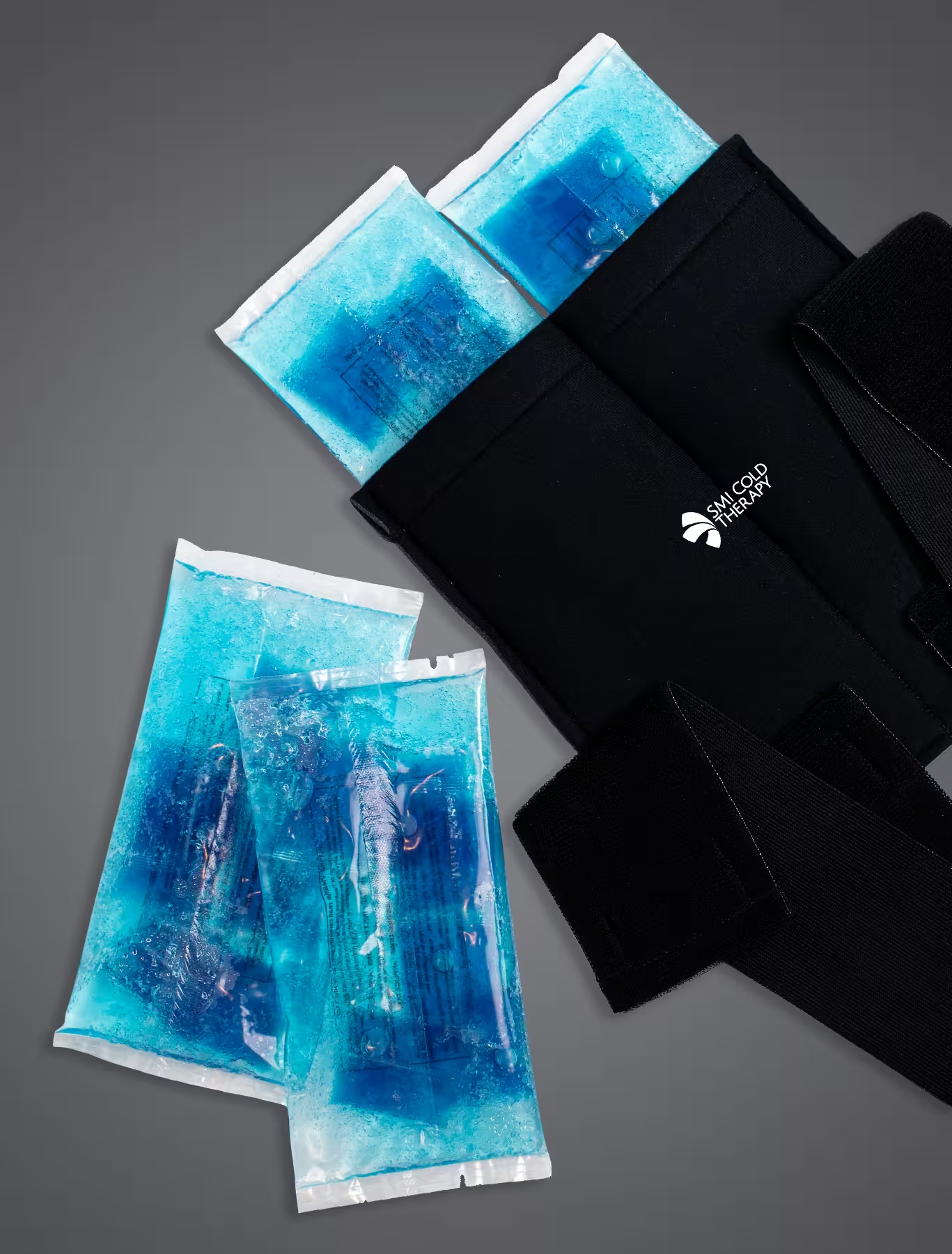
Combined, the two cover for each other. The compression keeps the cold pressed exactly where it is needed, which is part of why cold compression therapy after surgery outperforms a bag of ice, and it holds the wrap in place so you can move around instead of lying still. That is how SMI combines the two in a single wrap, and the pairing shows up in the research, with clinical studies tying cold compression to less swelling and a reduced need for pain medication after surgery.
Compression is not only for the operating room. Athletes lean on it to recover between training sessions and to manage the swelling of sprains and strains, and it helps with the everyday inflammation that comes from overuse or a minor injury. The principle stays the same wherever it shows up. Steady pressure keeps fluid moving and tissue supported, from a knee replacement to a hard week of workouts, which is why you find compression on the sidelines and in recovery rooms alike.
Good compression feels snug and supportive, like a firm, even hug around the area. It should never pinch, throb, or leave the spot numb. If a wrap or garment feels too tight, brings on tingling, or leaves the skin pale or discolored, loosen it and check with your care team, since compression that is too aggressive can do more harm than good.
How long and how often you wear it varies with your procedure, and your surgeon’s plan always comes first. In the early days after surgery, when swelling peaks, you will likely use it more, then ease off as you heal. When compression is paired with cold, keep a light barrier such as a cloth between the wrap and bare skin during longer sessions, and give the skin time to warm up between rounds.
Compression does quiet, steady work after surgery, and pairing it with cold makes both stronger. SMI Cold Therapy wraps deliver hours of cold and built-in compression in one easy step, so you get less swelling, more comfort, and the freedom to keep moving while you heal.
Check out the cold compression therapy wraps built for post-surgical recovery, and keep steady relief within reach for when you need it most.
What is compression therapy in simple terms? It is the use of steady, gentle pressure on an injured or post-surgical area to control swelling, support circulation, and ease pain. That pressure helps your body clear fluid and heal more comfortably.
It keeps swelling and edema from building, supports blood flow to the healing tissue, and reduces the pressure that causes pain. Less swelling generally means an easier, faster recovery.
They do different jobs, and they work best together. Ice calms swelling and numbs pain, while compression limits fluid buildup and drives the cold deeper. Cold compression therapy combines both in one step.
It varies with your procedure and your surgeon’s plan. Compression is usually most valuable in the early days when swelling peaks, then tapers as you heal. Follow the schedule your care team gives you.
Yes, it can. Gentle, graduated pressure supports the vessels that move blood and lymph fluid, which helps your body clear swelling and deliver what healing tissue needs.
For most people, it is, though certain circulatory conditions call for a doctor’s guidance first. Your surgeon or care team can confirm compression is right for your situation.
Cold compression has become a standard part of post-surgical and post-injury recovery protocols because it does two things at once: it slows local blood flow to limit swelling, and it dulls the nerve signaling that produces pain. SMI builds its entire wrap line around that principle, using reusable gel packs and body-contoured wraps that hold a consistent, even temperature far longer than a bag of ice ever could. For the clinical background on how controlled cold exposure affects tissue, circulation, and pain signaling in the days after a procedure, we put together a full breakdown of the science behind cryotherapy for post-operative care, which explains why timing and consistent contact matter as much as the cold itself. Everything below builds on that foundation: how each wrap is constructed, how it’s applied in a clinical setting, and how the gel bag system that powers all of them is prepared and used.
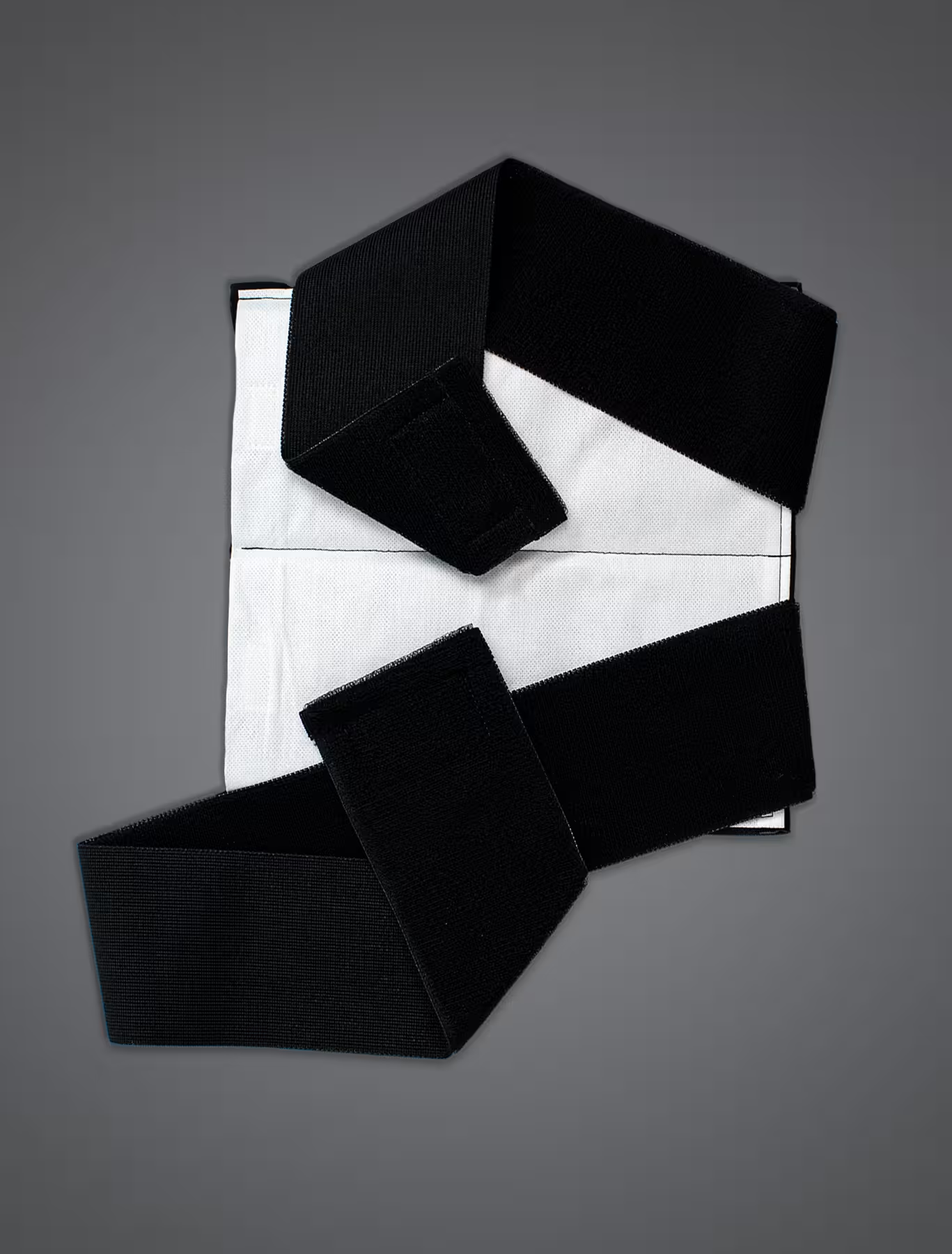
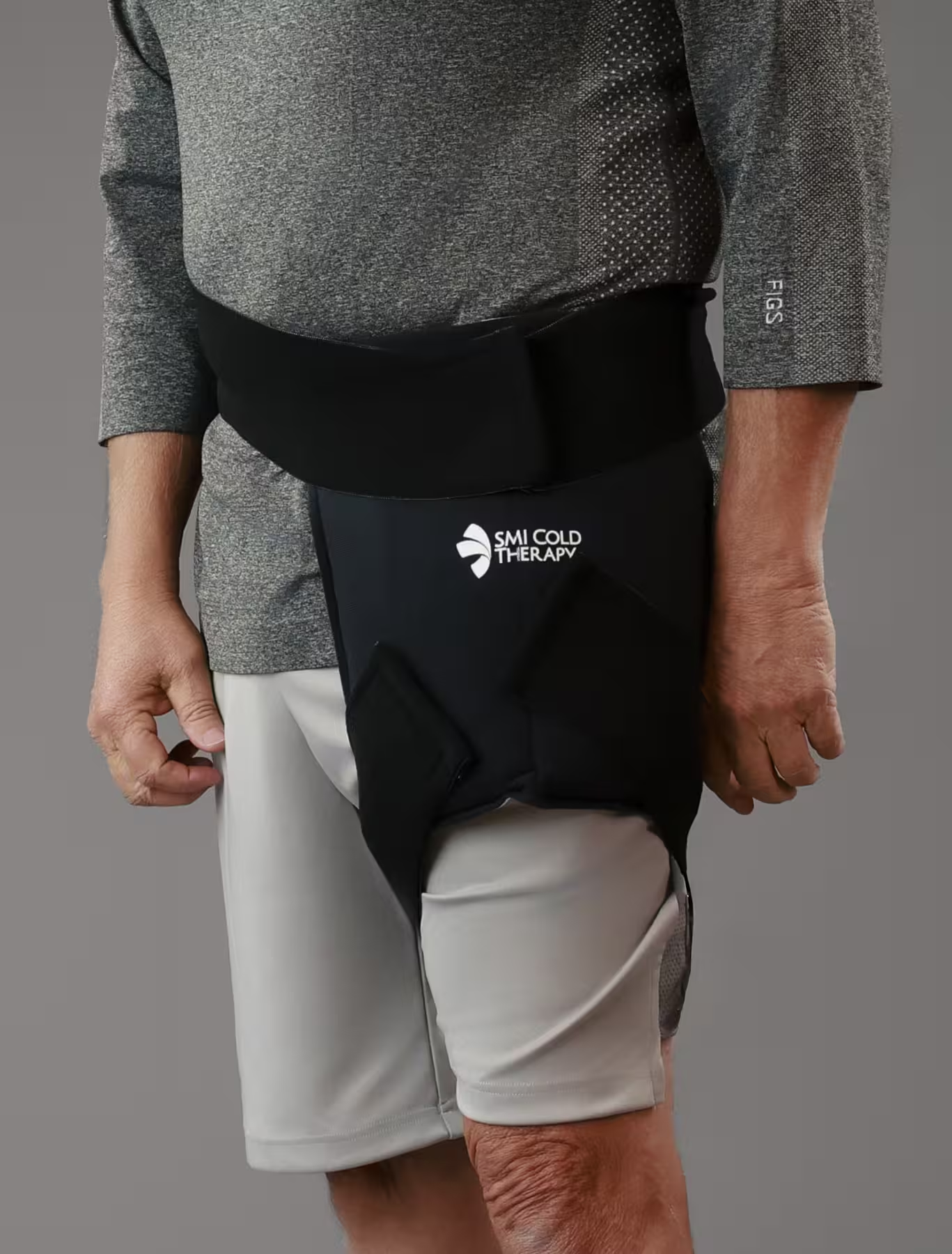
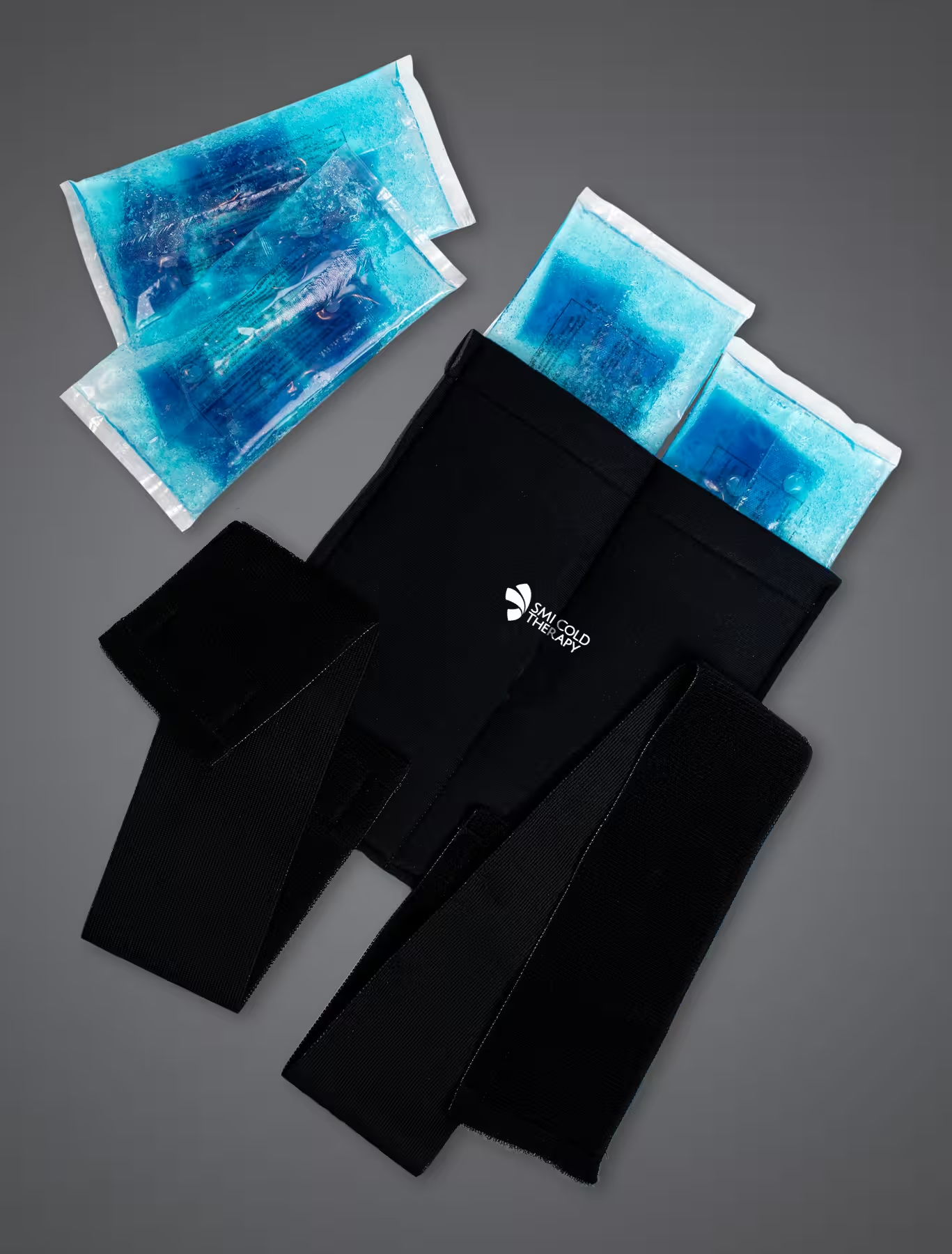
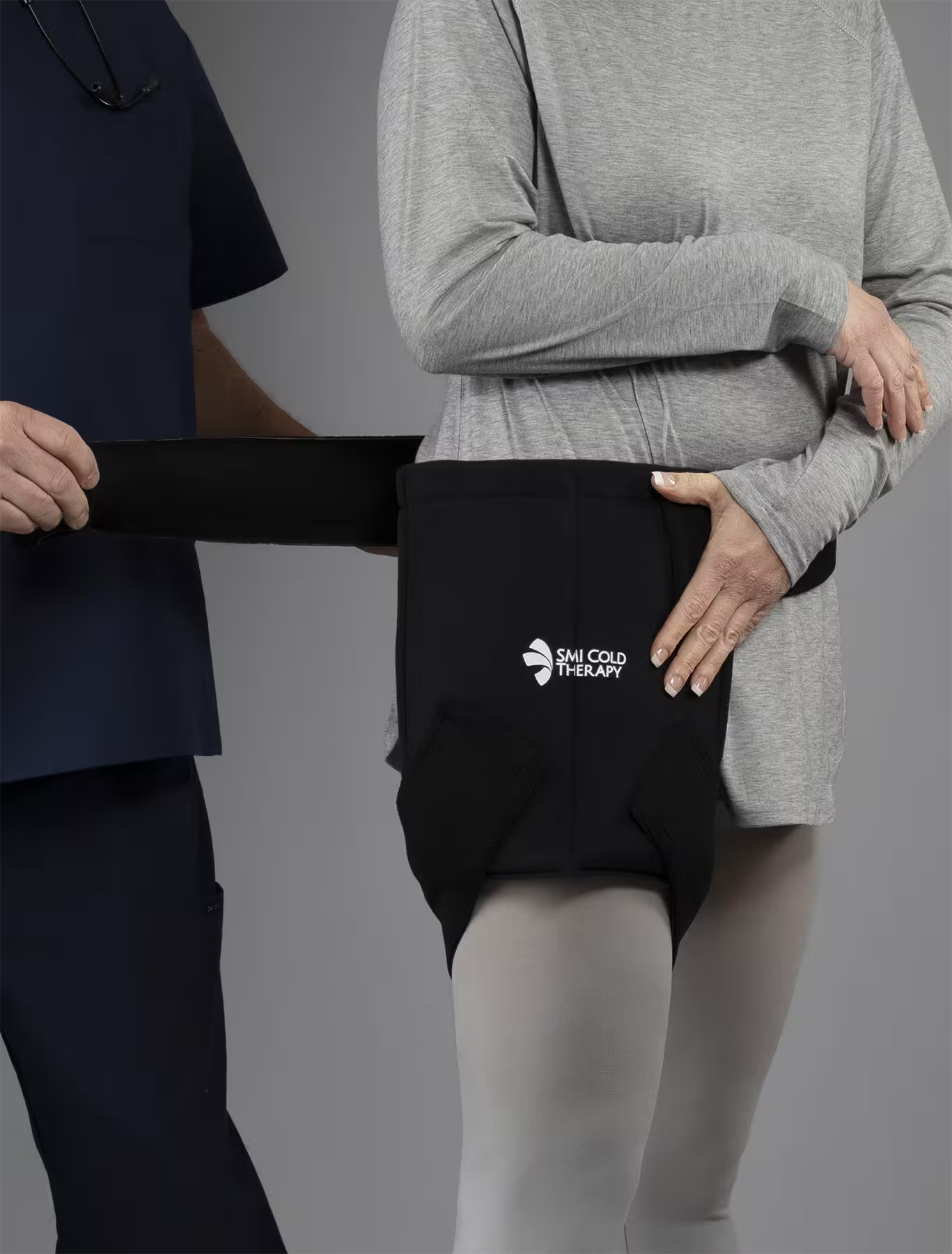
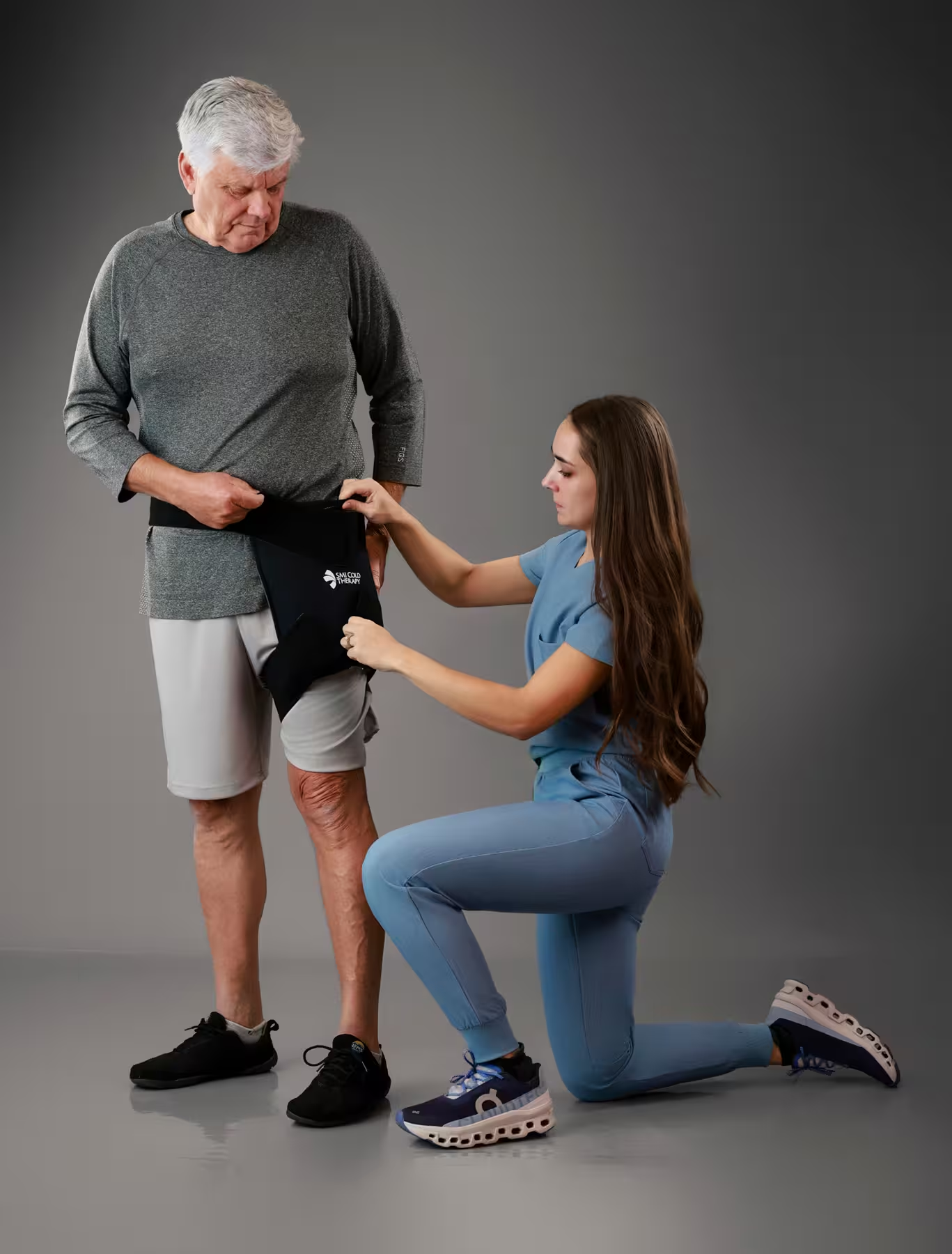
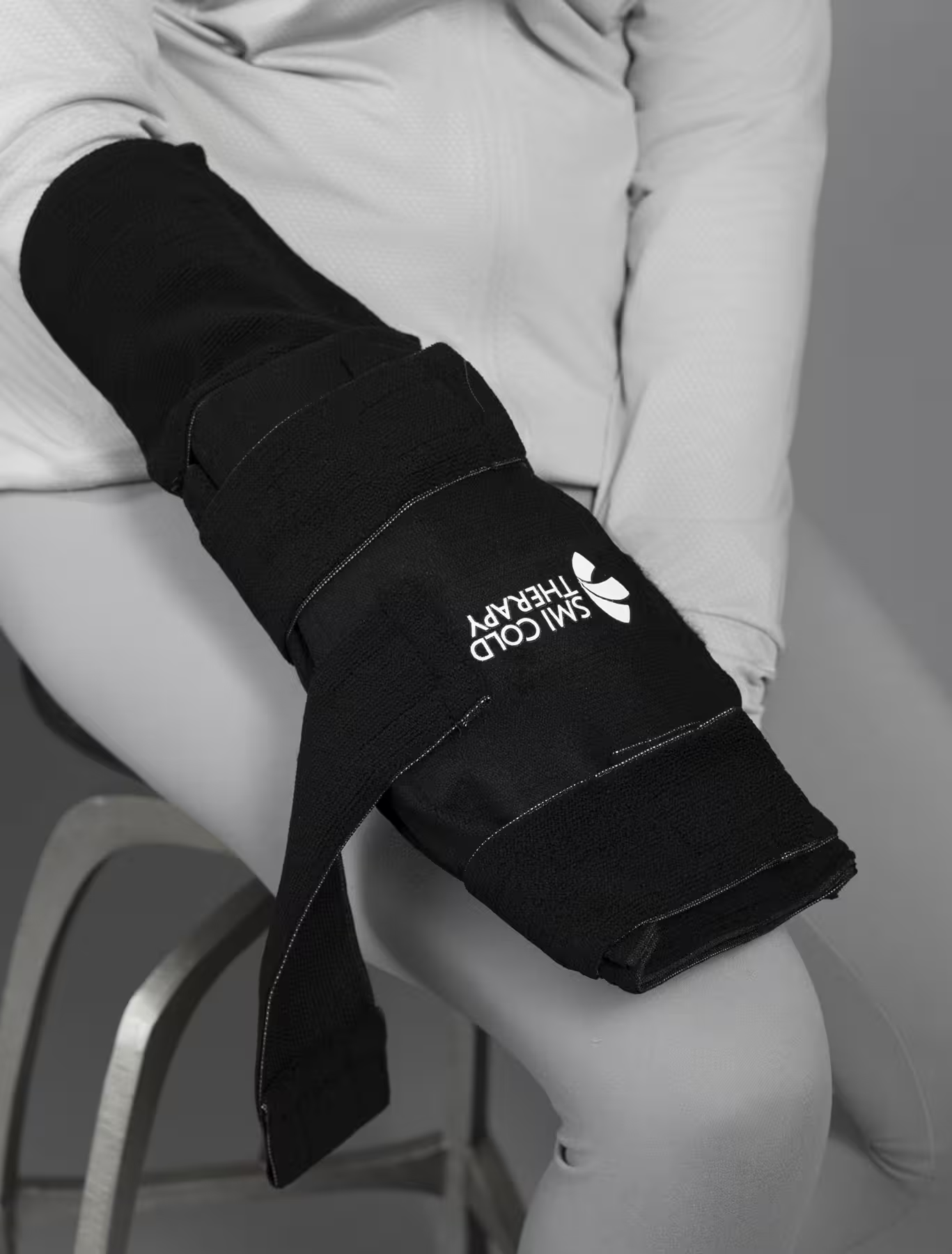
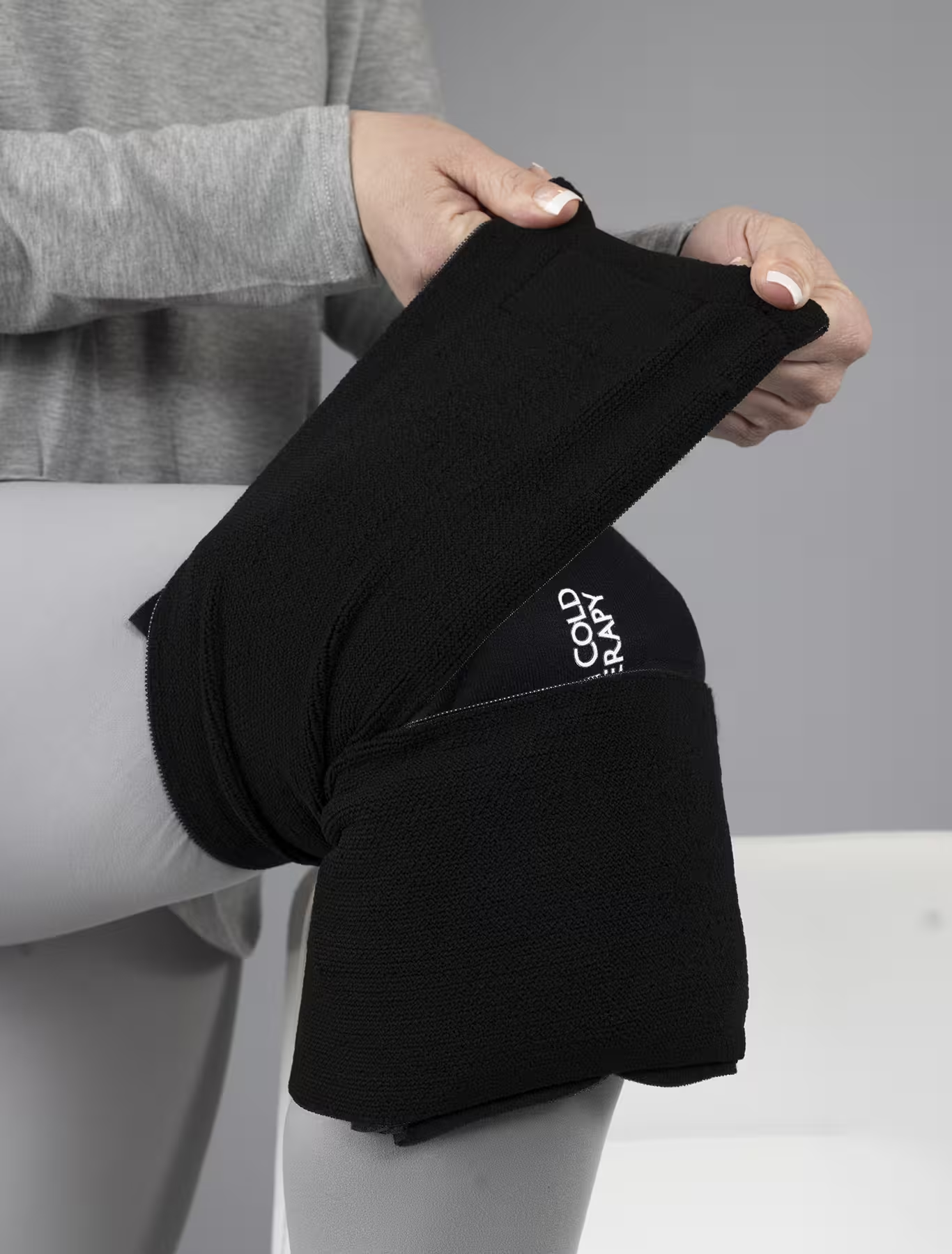
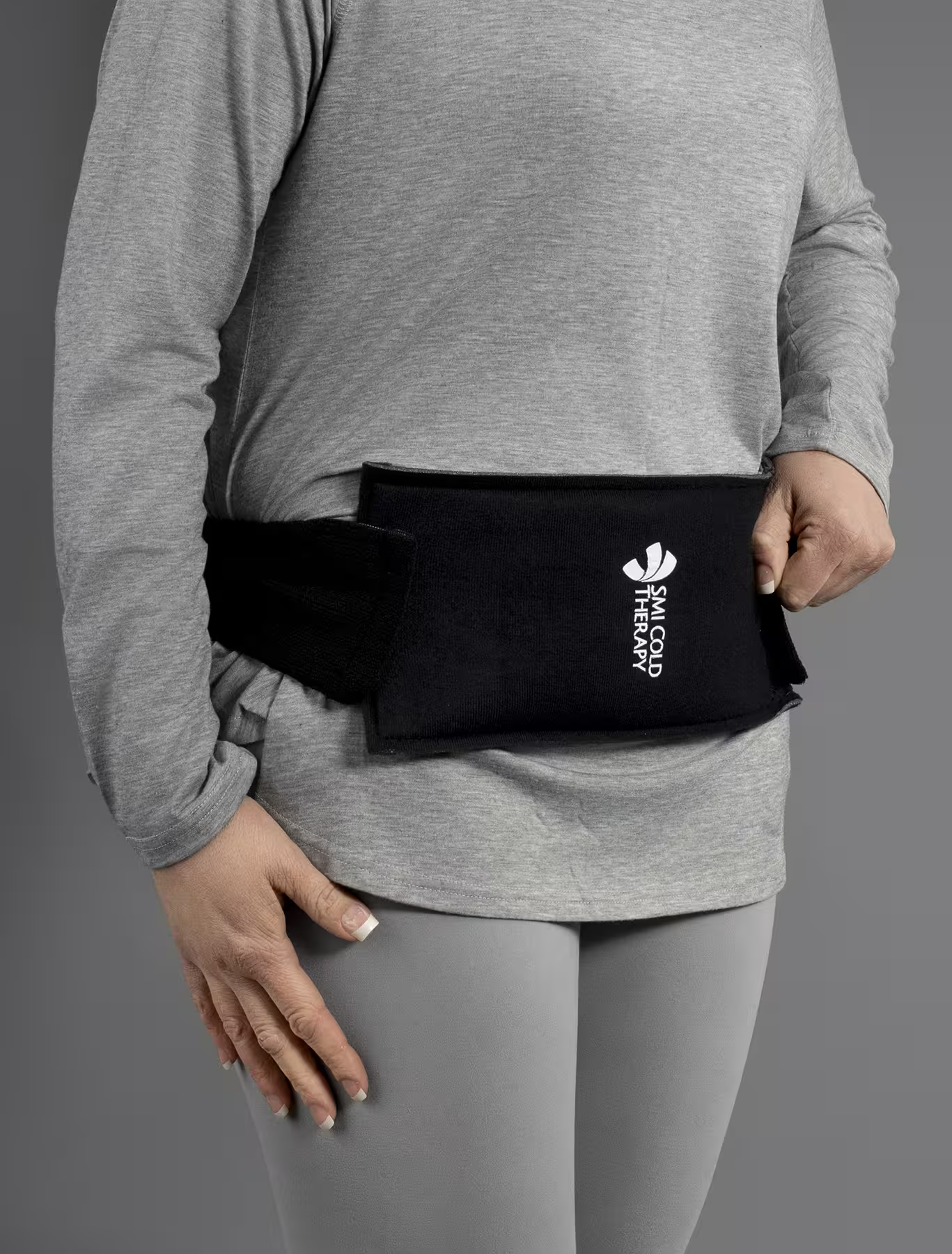
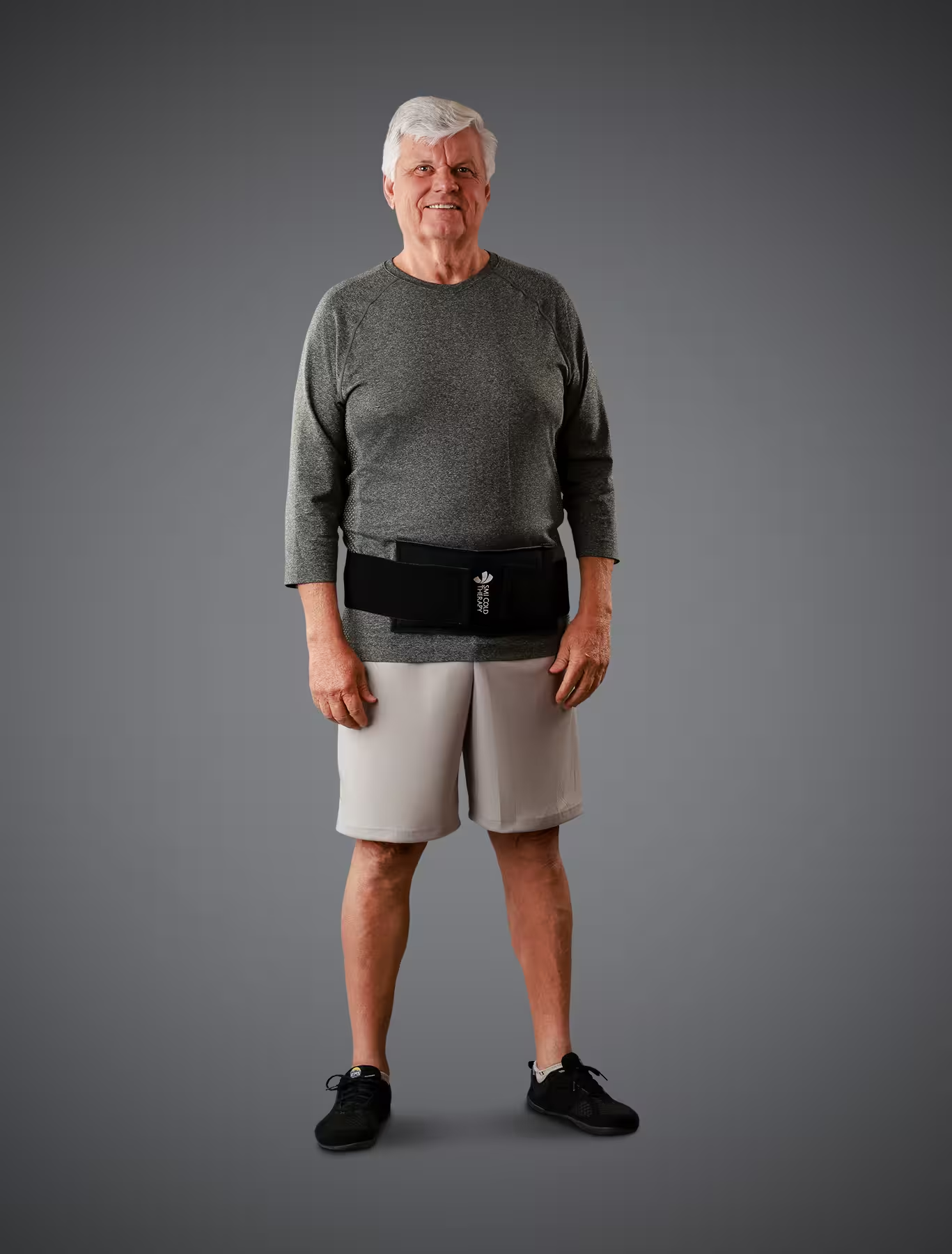
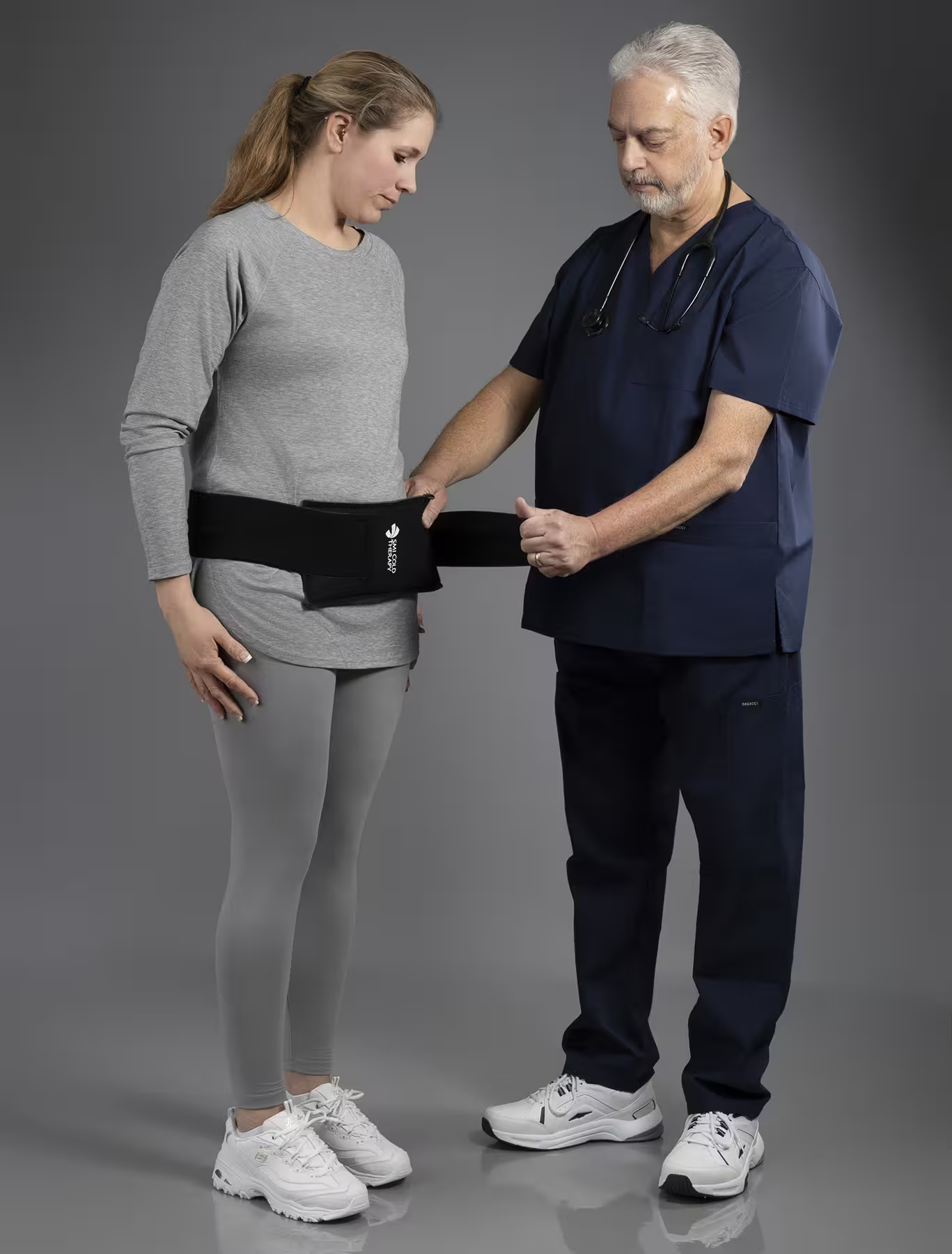
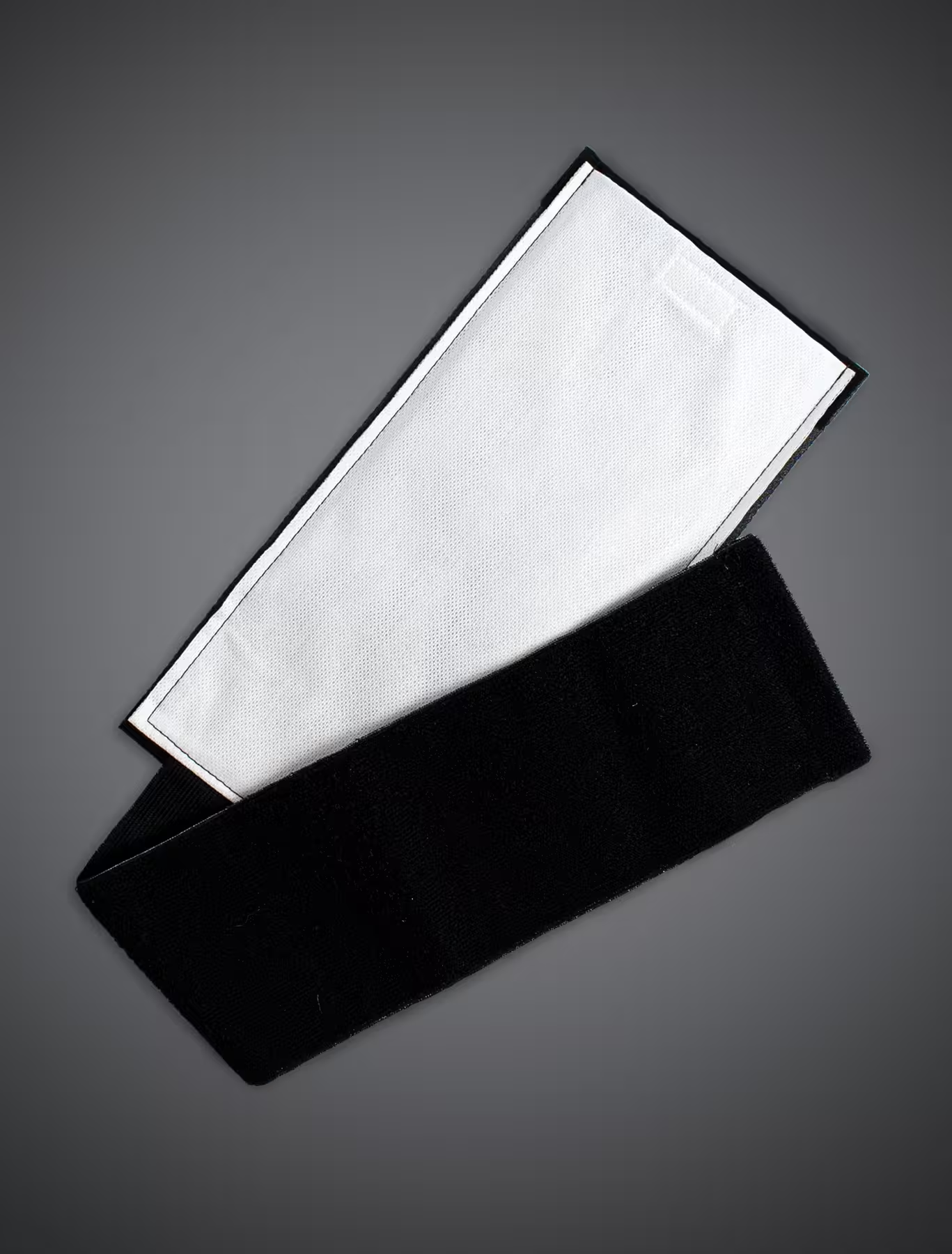
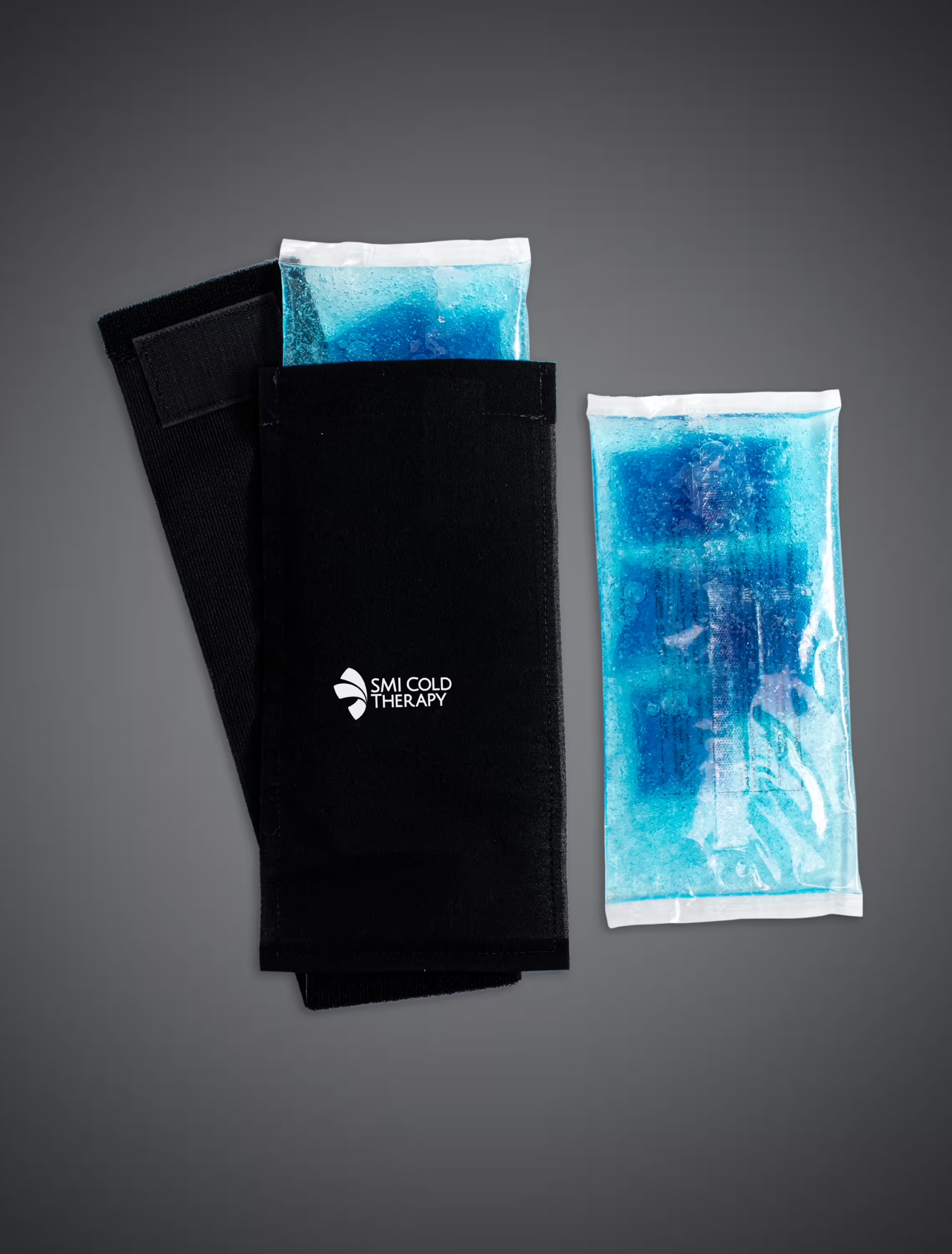
The hip and thigh wrap is built to stay in place through movement, which matters for patients who need to keep walking during recovery. You can see the base wrap secured around the hip and lower back without gel packs inserted, and then in close-up detail showing the pocket construction. Once the reusable inserts go in, the same wrap looks like this, fully loaded with gel packs and ready for a treatment cycle. Clinical staff are trained on proper placement, shown here with a nurse checking the fit at the hip and assisting a patient into the completed hip wrap. The same wrap style adapts down the leg, as demonstrated by this application wrapped snugly around the thigh, and a narrower version handles the knee joint directly, seen in this close-up of the knee wrap in place.
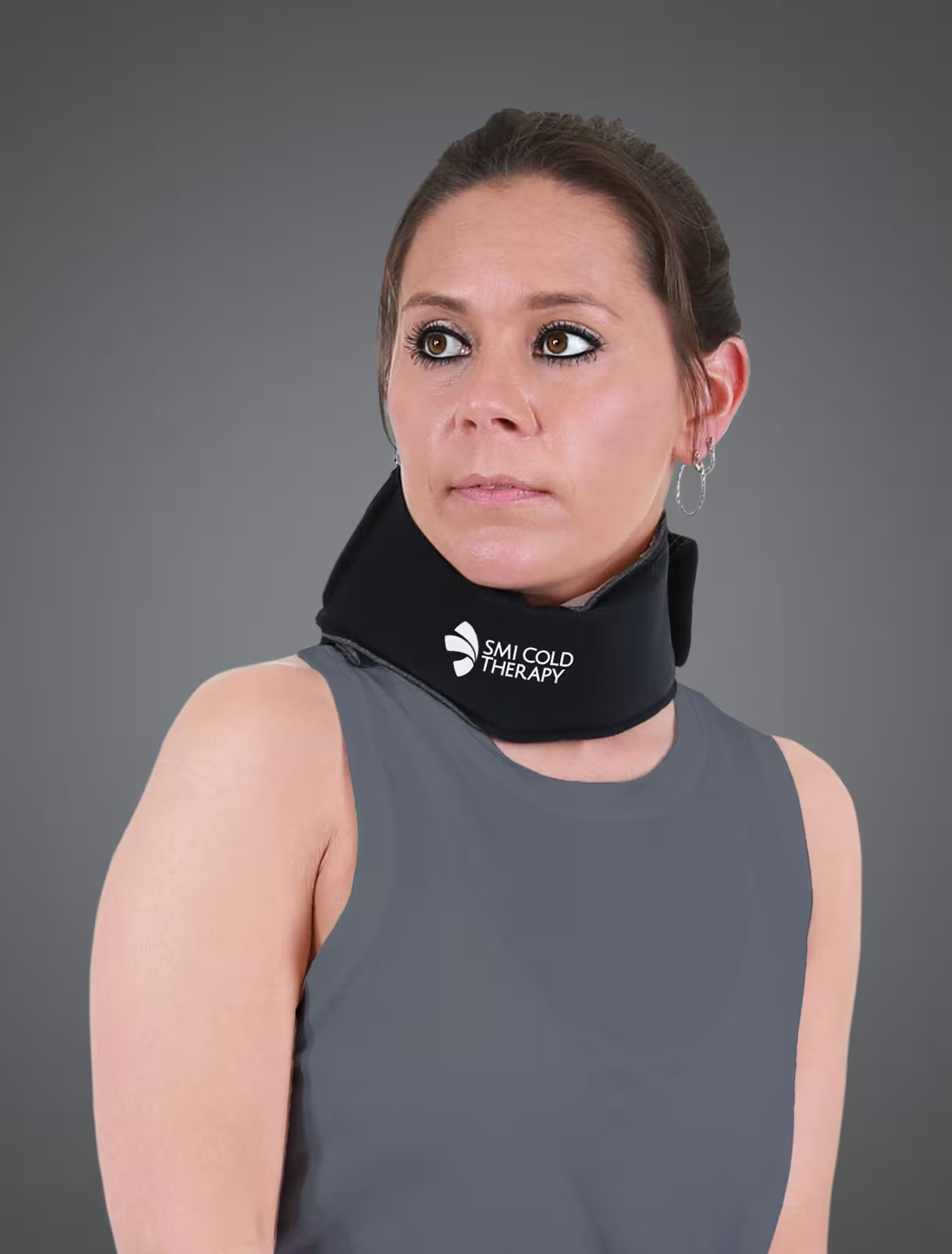
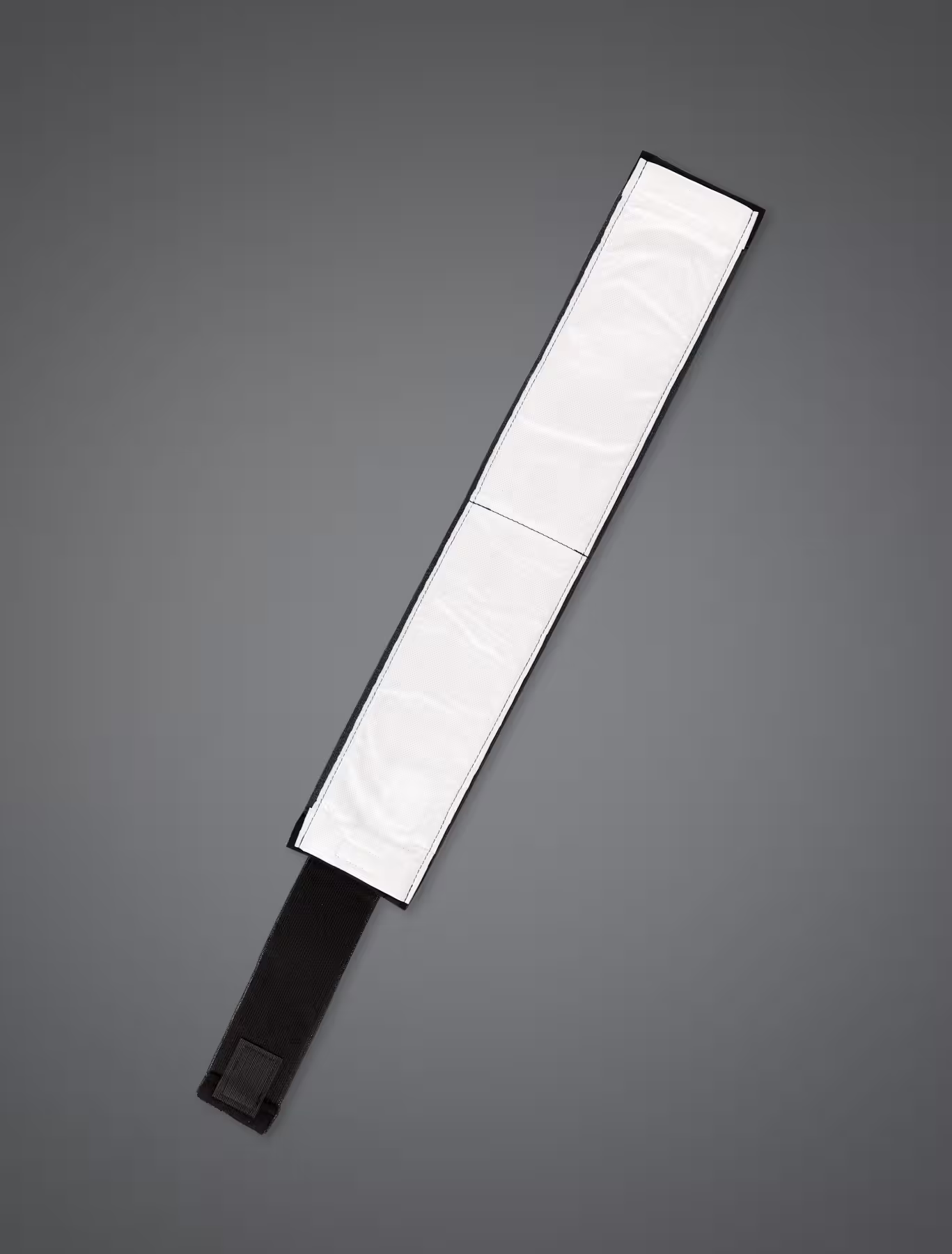
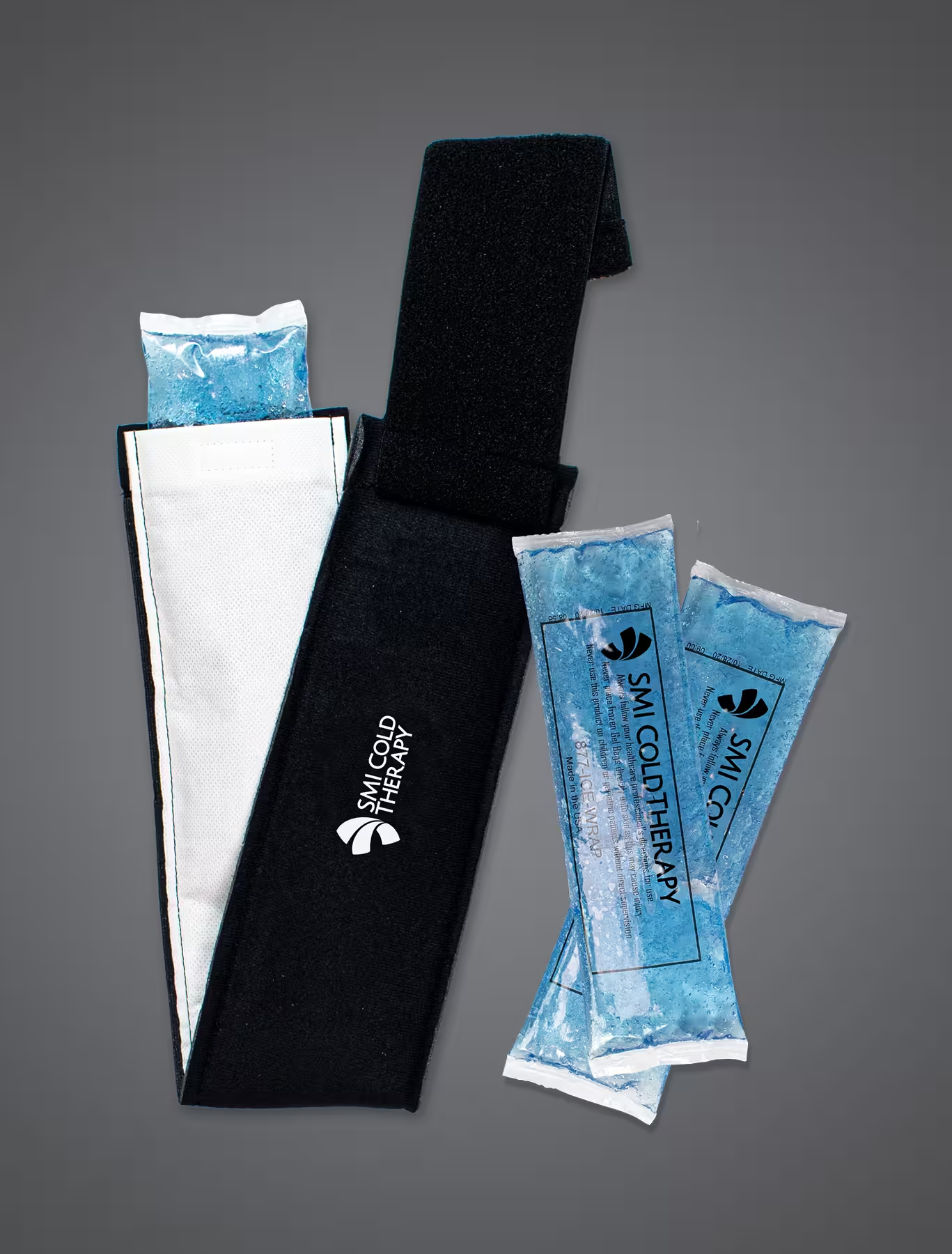
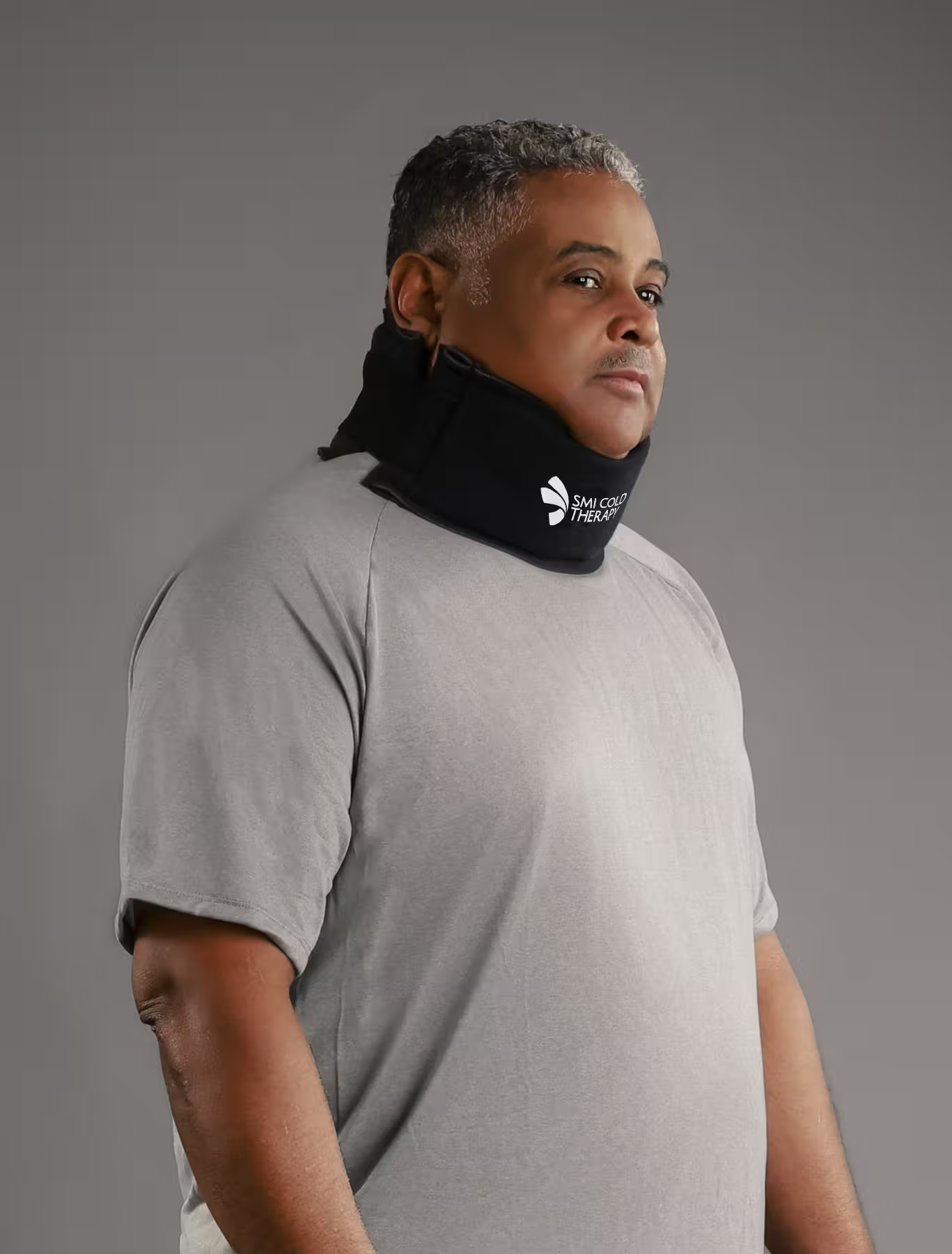
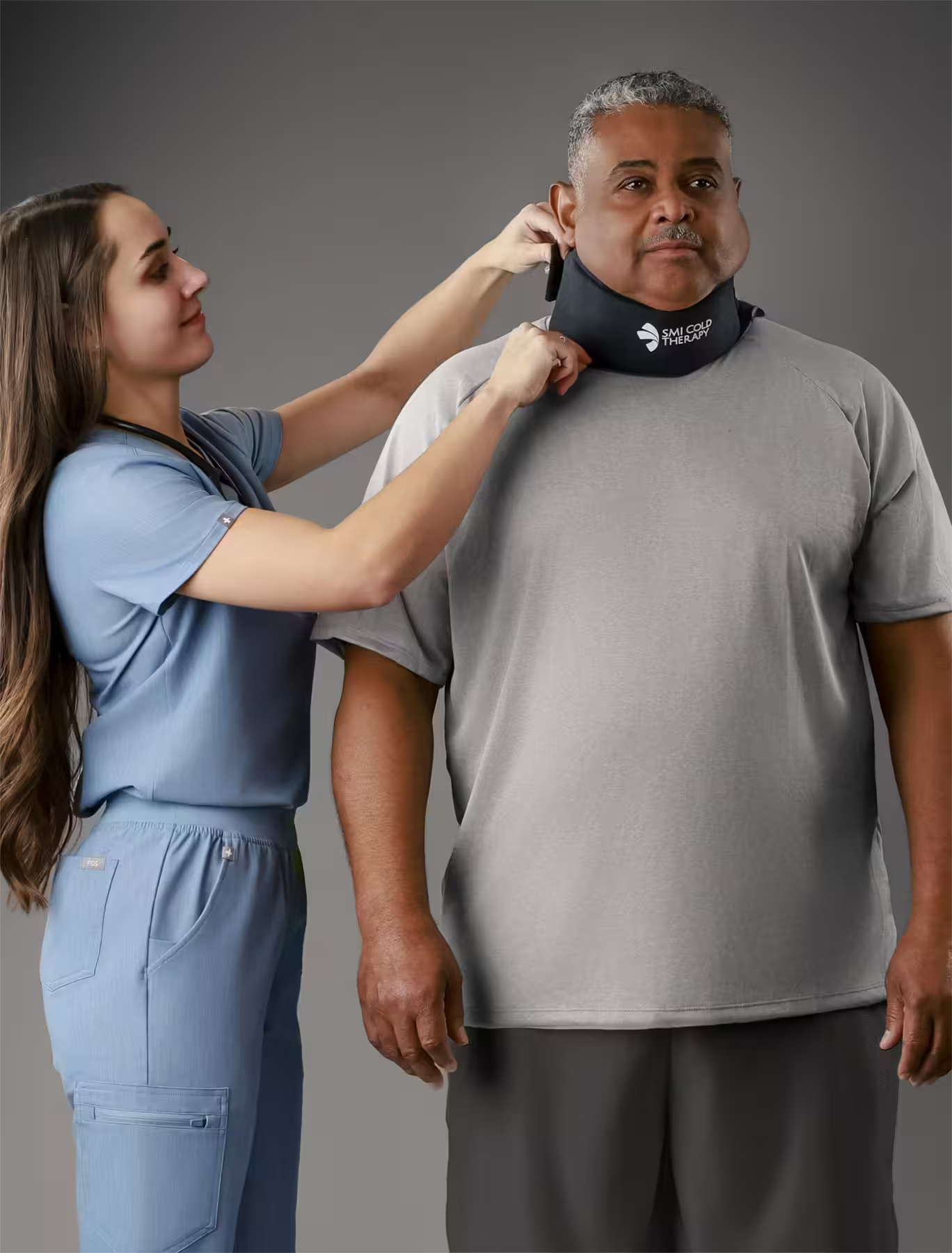
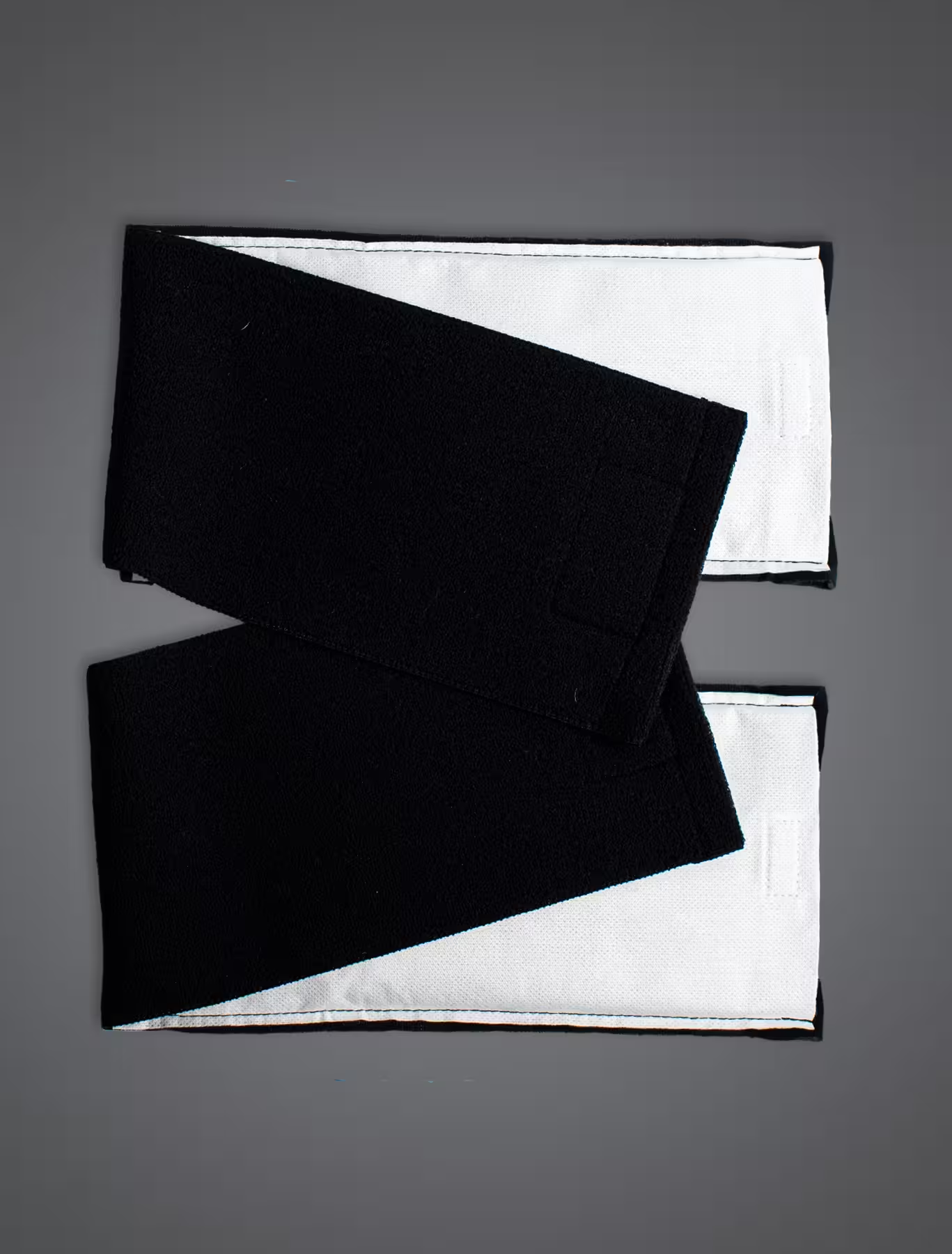
Neck wraps are one of our most requested products for patients managing cervical strain, whiplash recovery, or post-surgical neck swelling. A patient wearing the neck wrap during a treatment session shows how the wrap sits against the base of the skull and upper shoulders. Before the cold packs go in, the wrap looks like this from the back, without gel packs. Loaded and ready, it’s shown with the gel packs inserted in this version and in a second angle with the packs fully seated. The wrap folded open to show its full construction gives a clear look at how the fabric and pockets are laid out, and a clinician fitting the neck wrap on a patient shows the typical application process from start to finish.
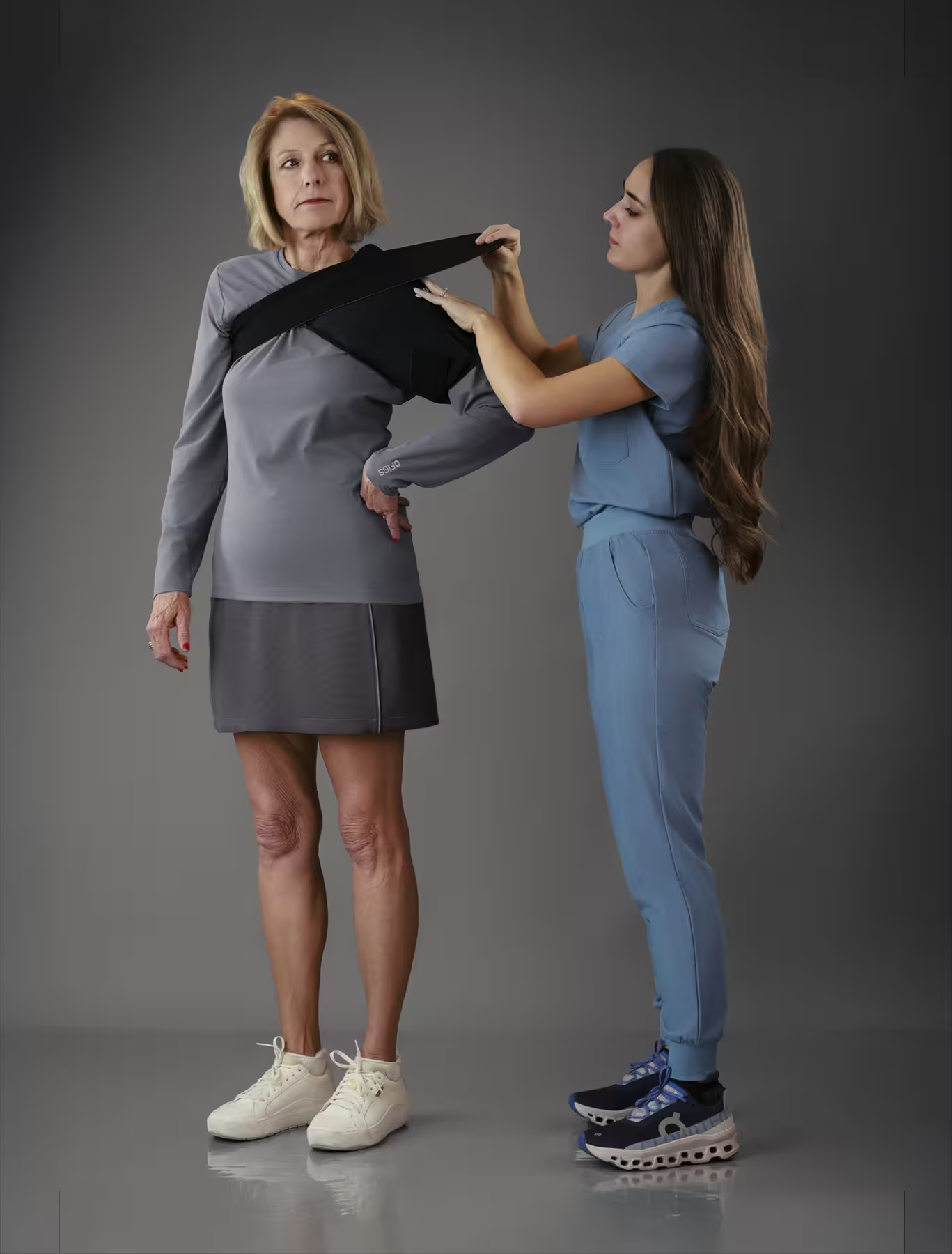
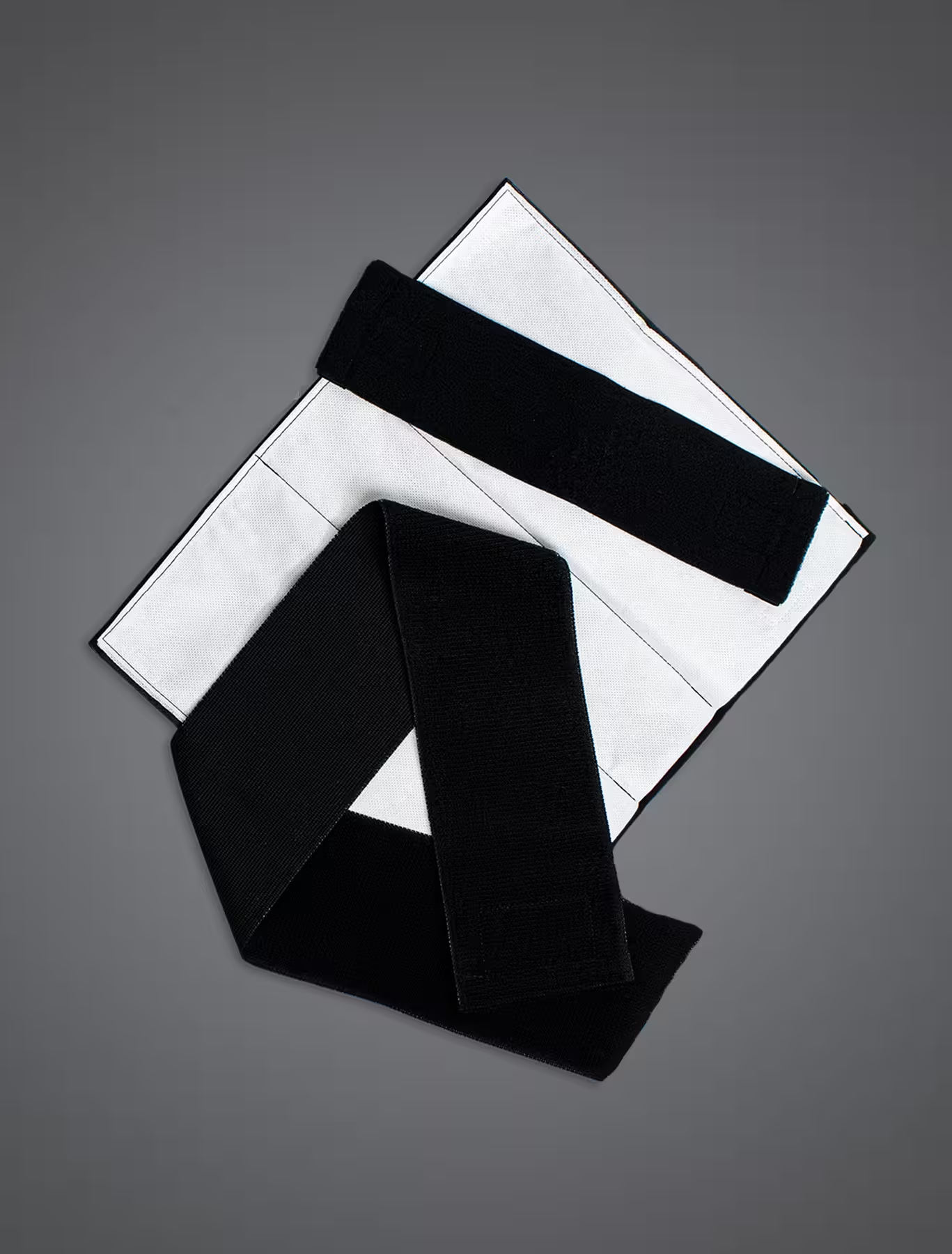
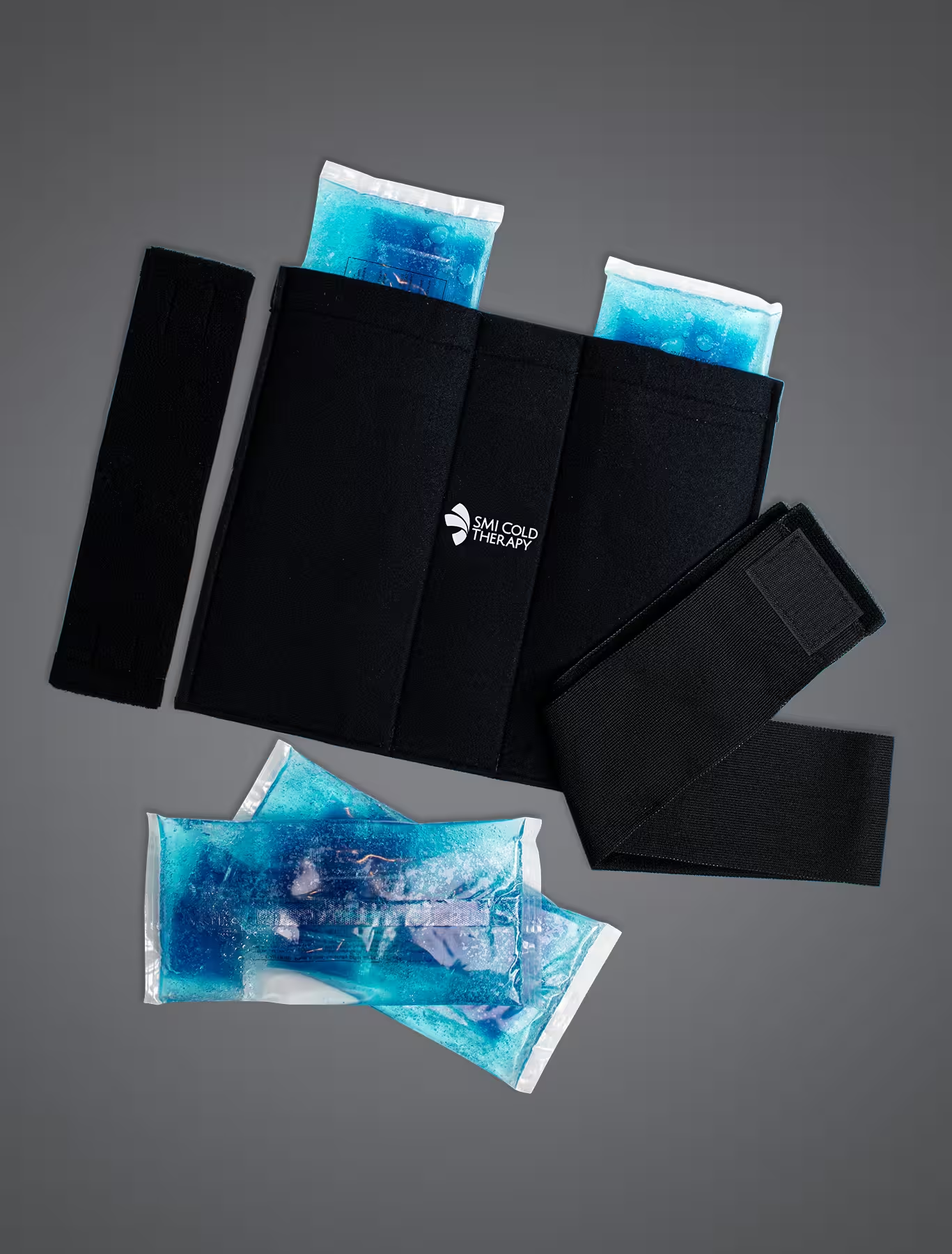
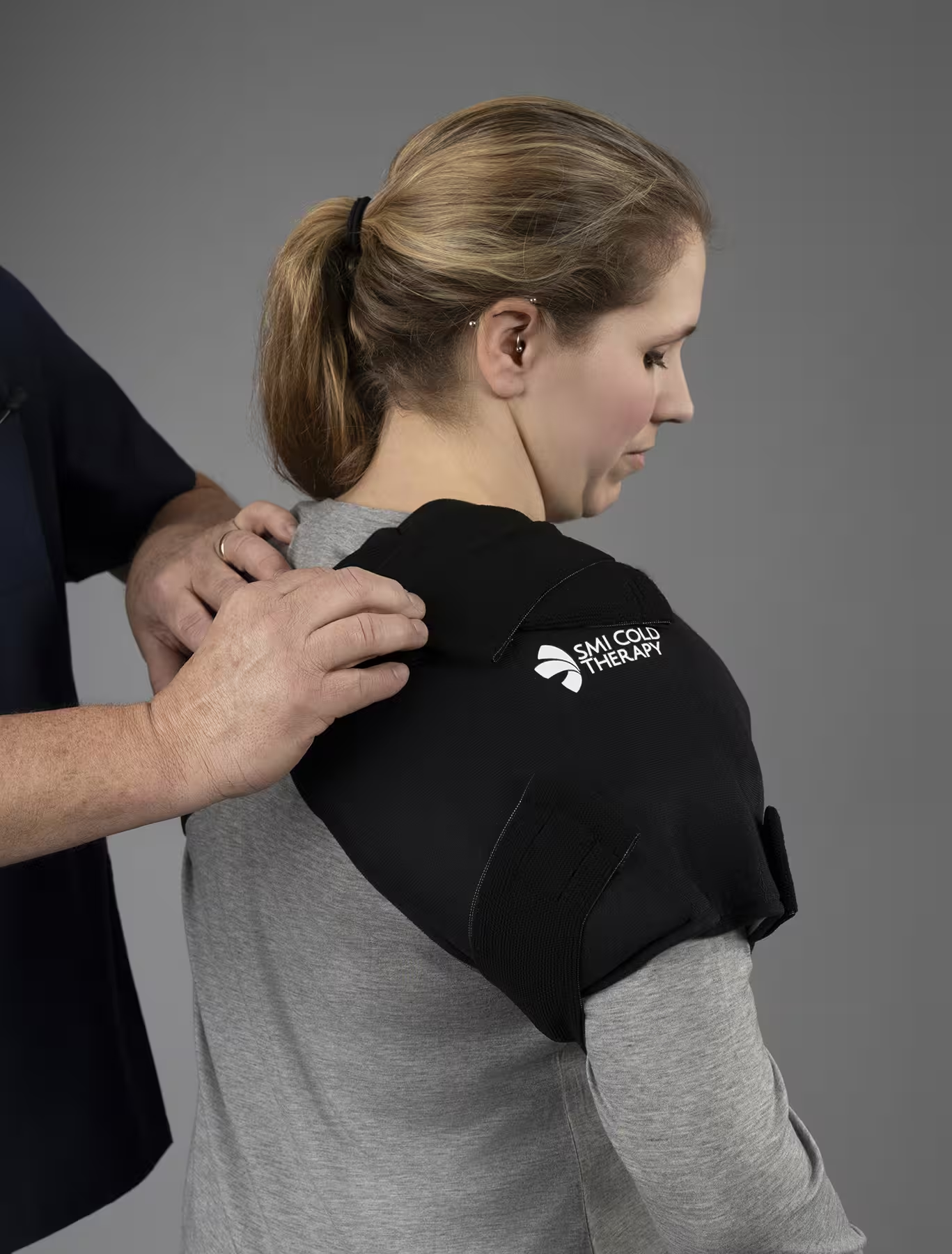
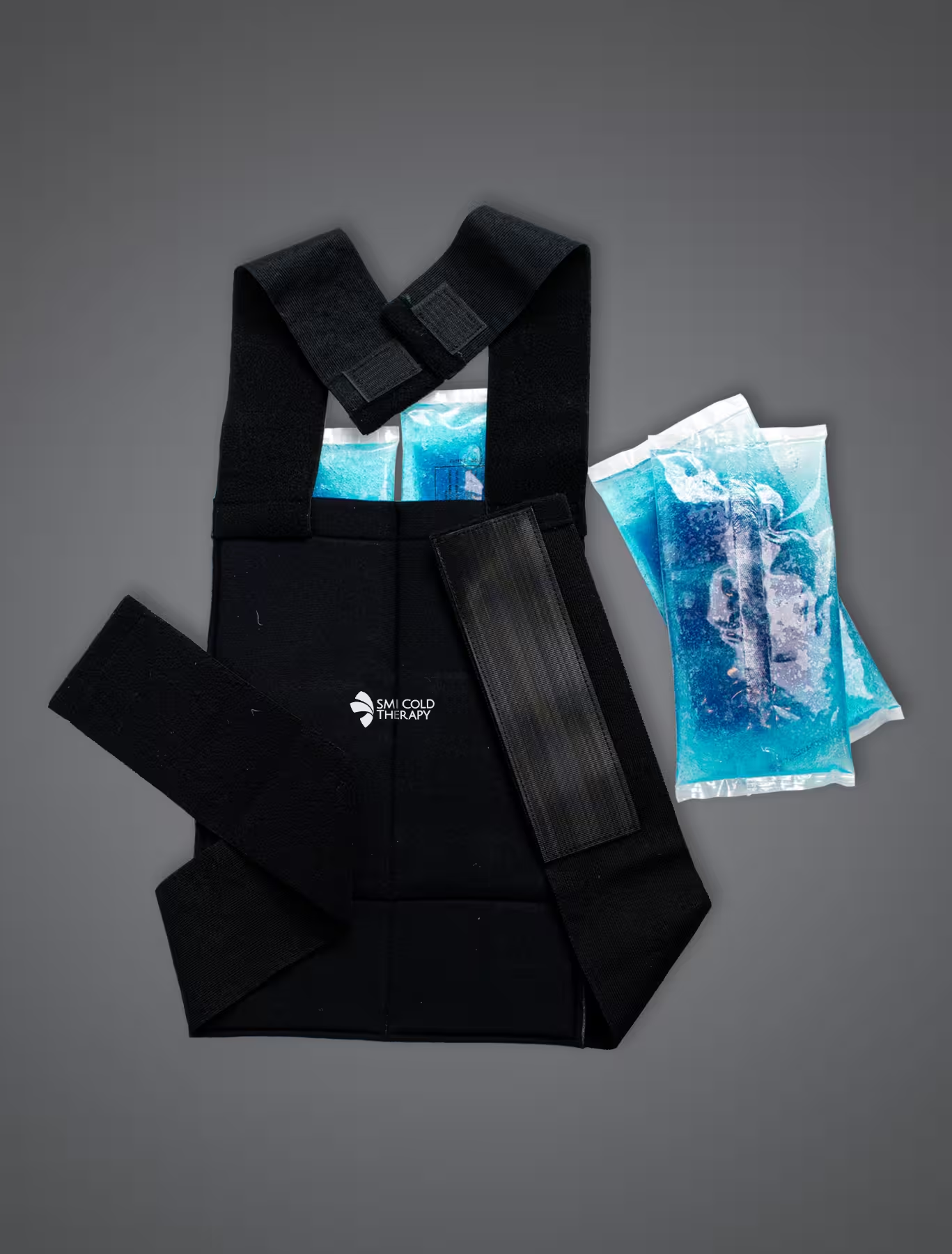
Shoulder surgeries and rotator cuff injuries call for a wrap that can cover the joint from multiple angles without slipping. A patient being fitted for the shoulder wrap shows the initial placement, while the empty shoulder wrap shown from the back illustrates the strap and pocket layout before treatment begins. Once the gel packs are added, the wrap holds the packs snugly against the joint, as shown here, and a rear view of the finished wrap in place shows the full coverage across the shoulder and upper arm.
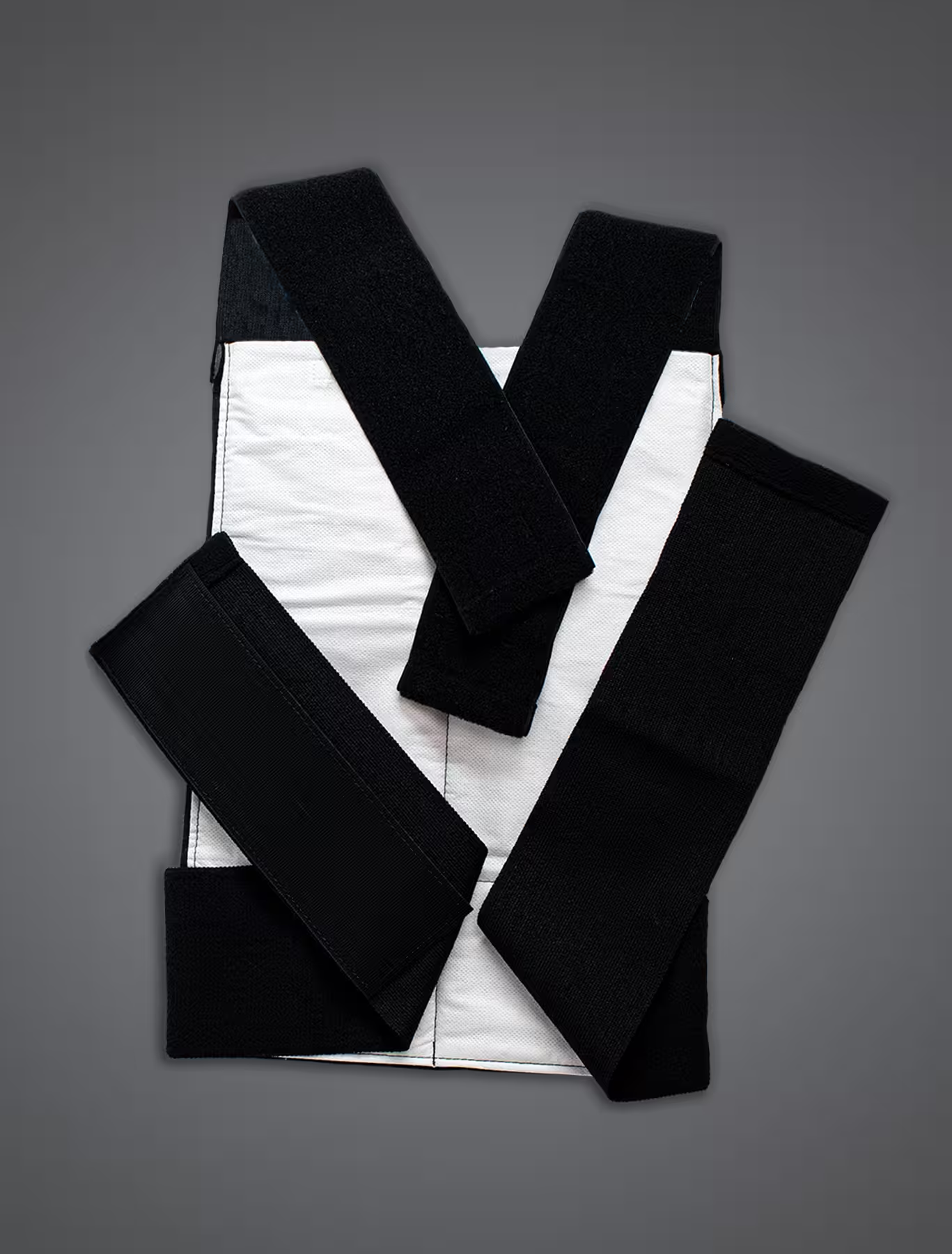
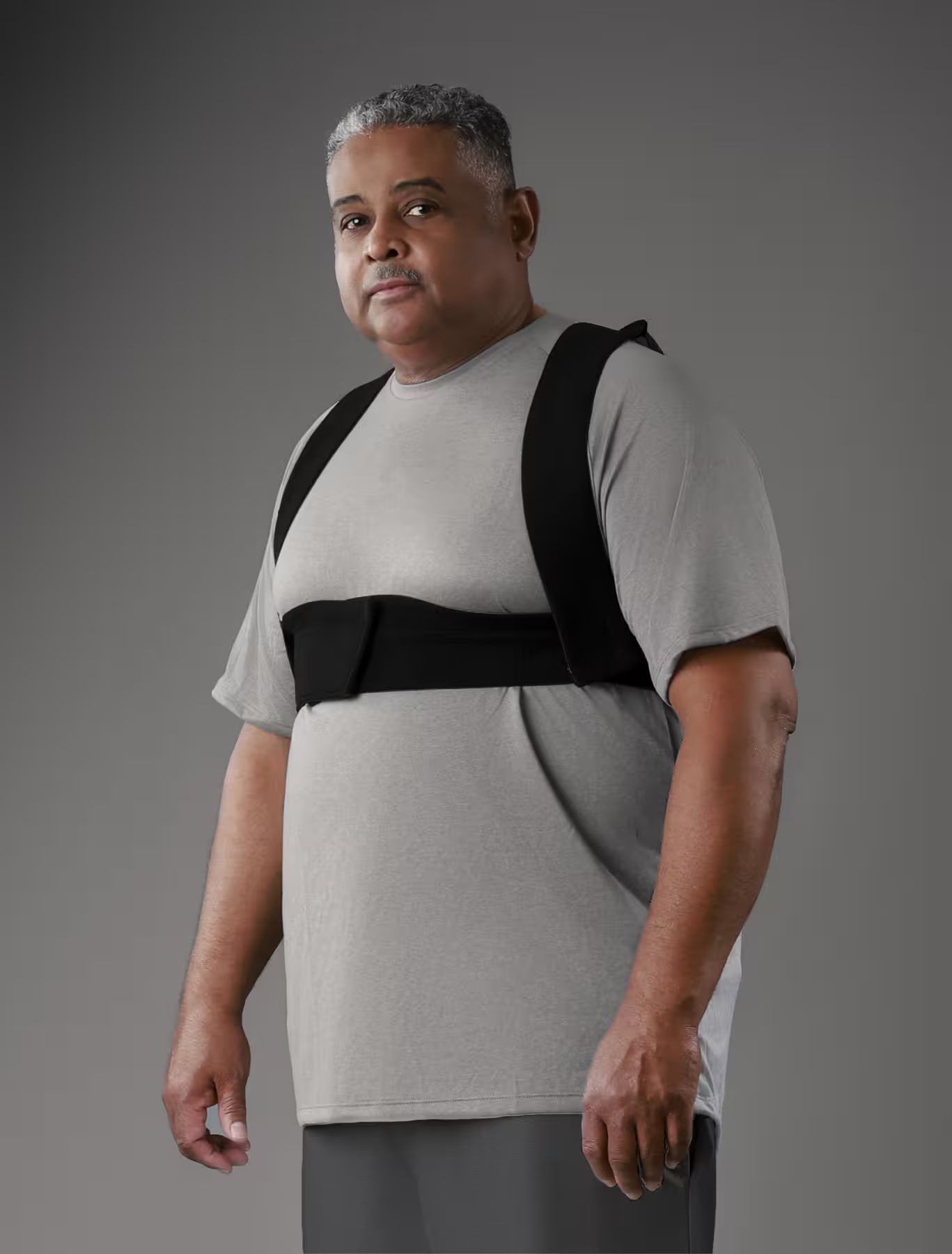
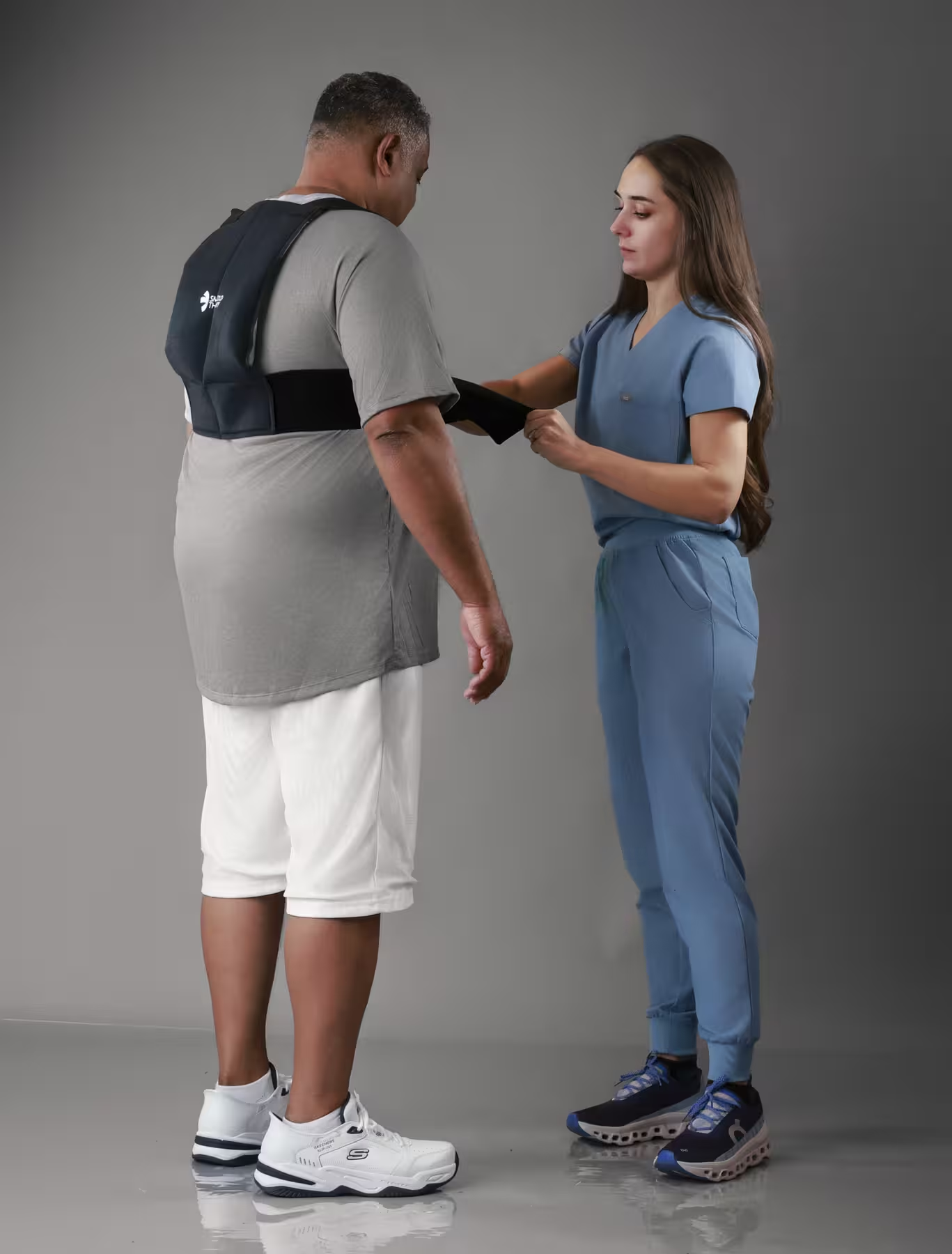
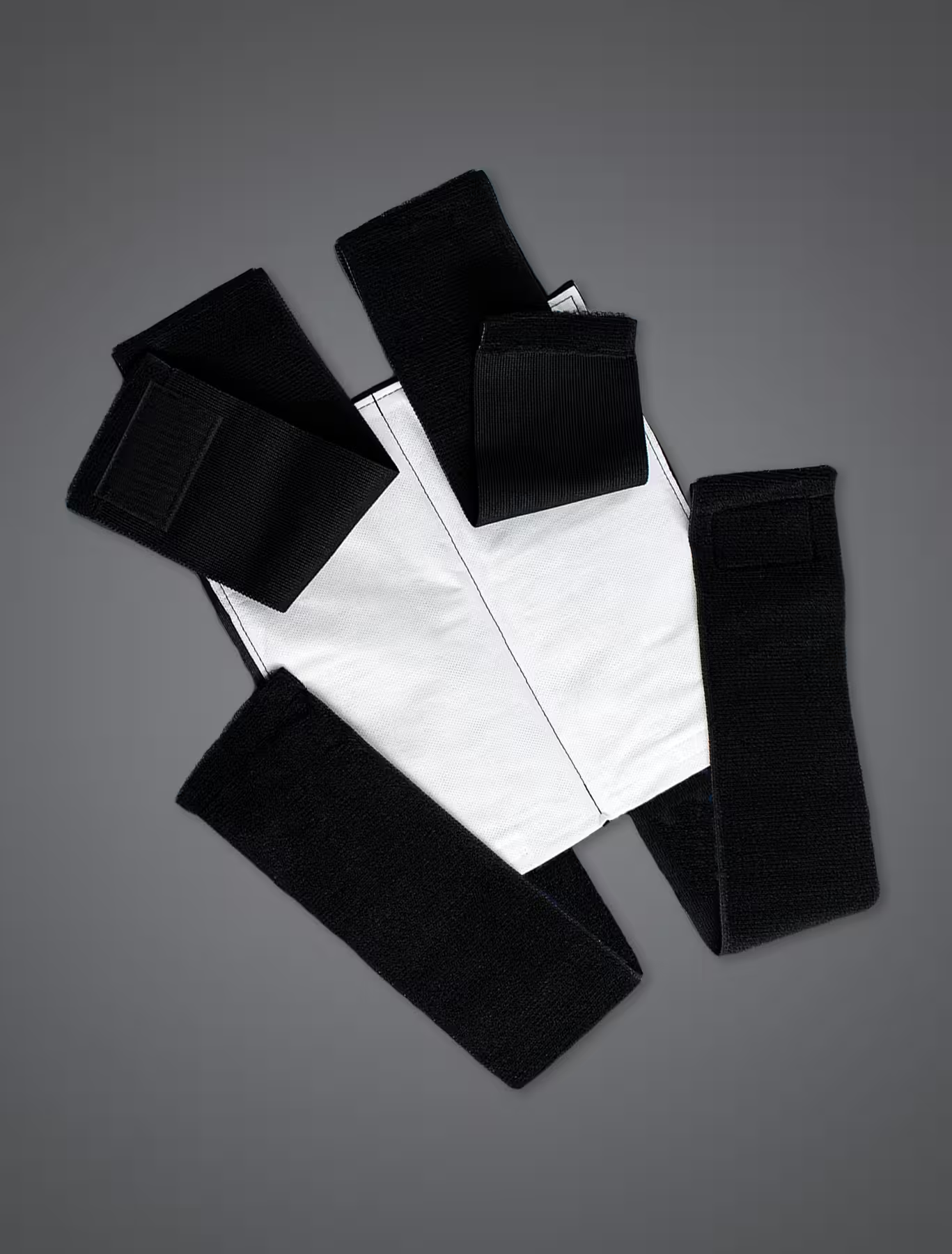
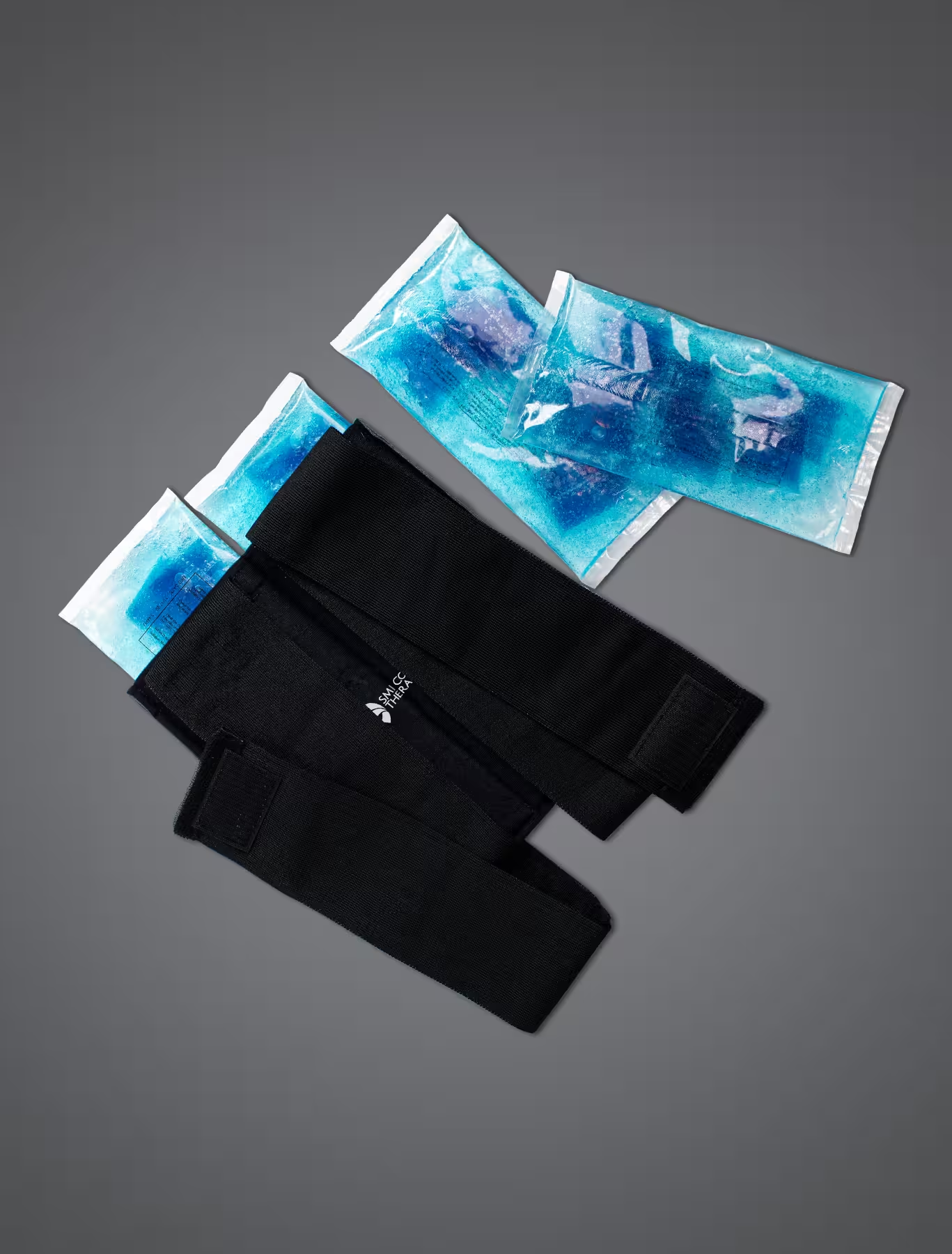
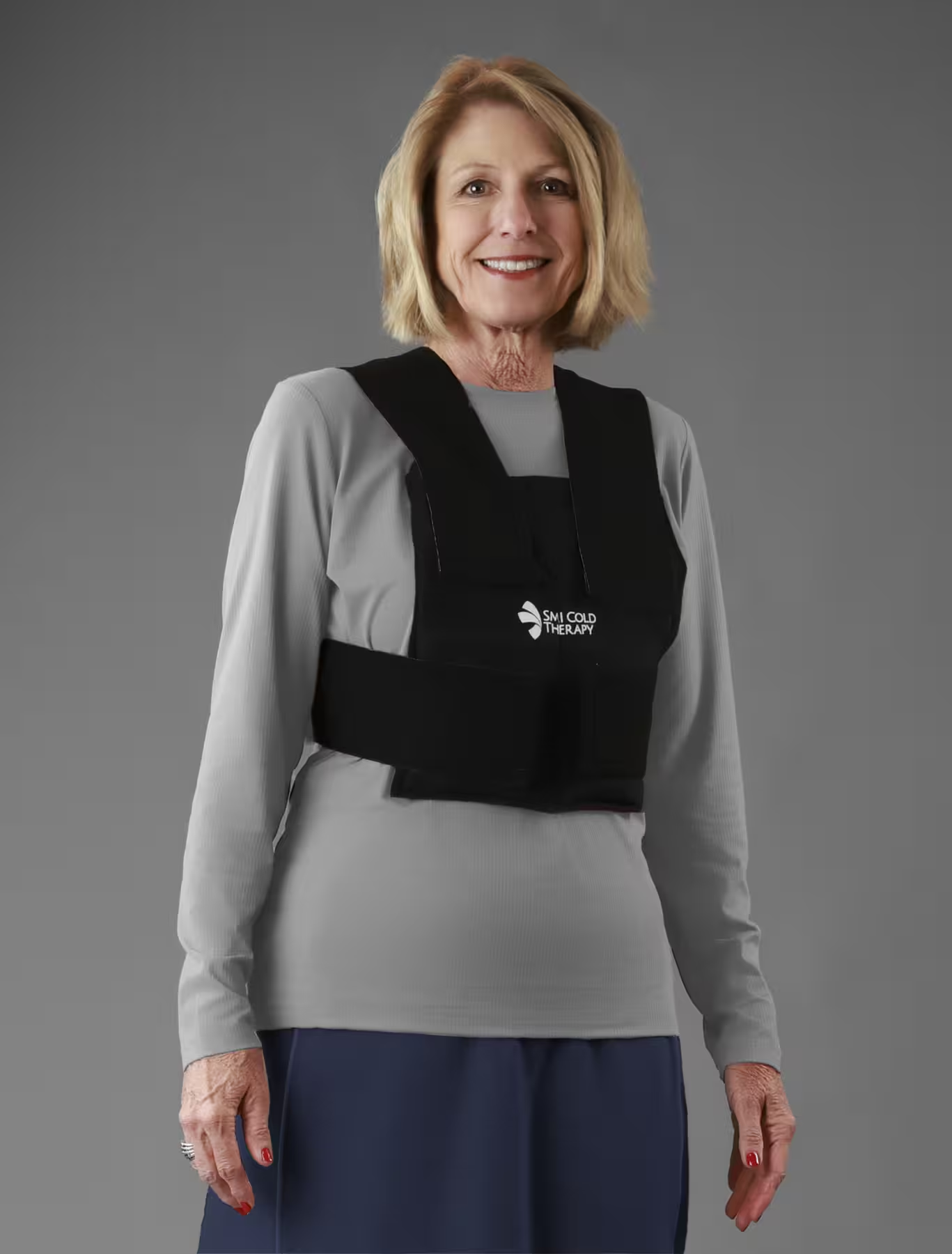
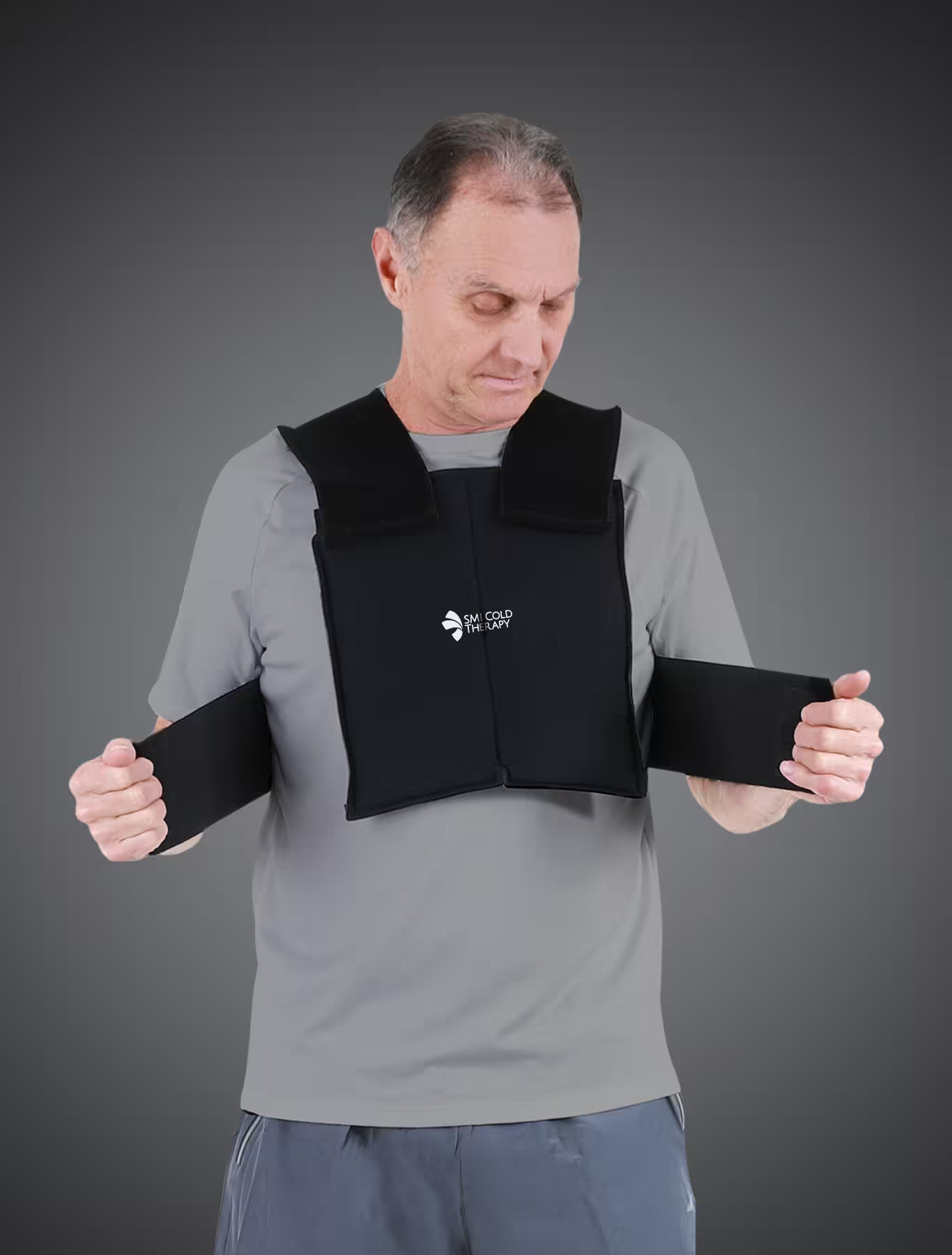
For thoracic surgeries and mid-back pain, the wrap needs to span a wider area while still allowing the patient to sit or lie comfortably. The thoracic wrap loaded with four gel packs is our standard configuration for full coverage across the upper back. Before treatment, the wrap is shown from the back in this view and again without any gel packs inserted, so the construction is easy to see. A front-facing view of the wrap being worn shows how the straps close across the chest, and a nurse assisting with the thoracic wrap fitting demonstrates proper clinical application.
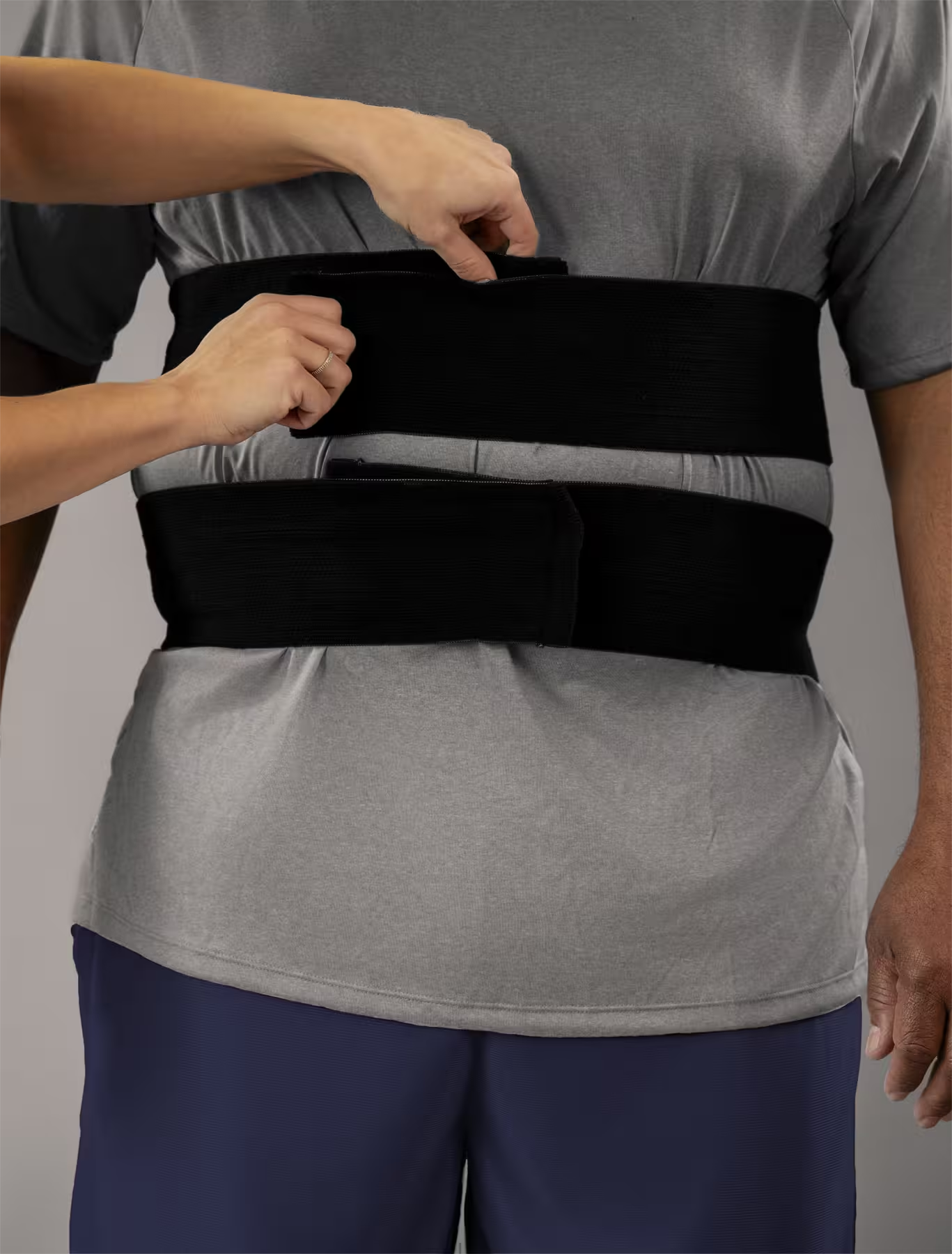
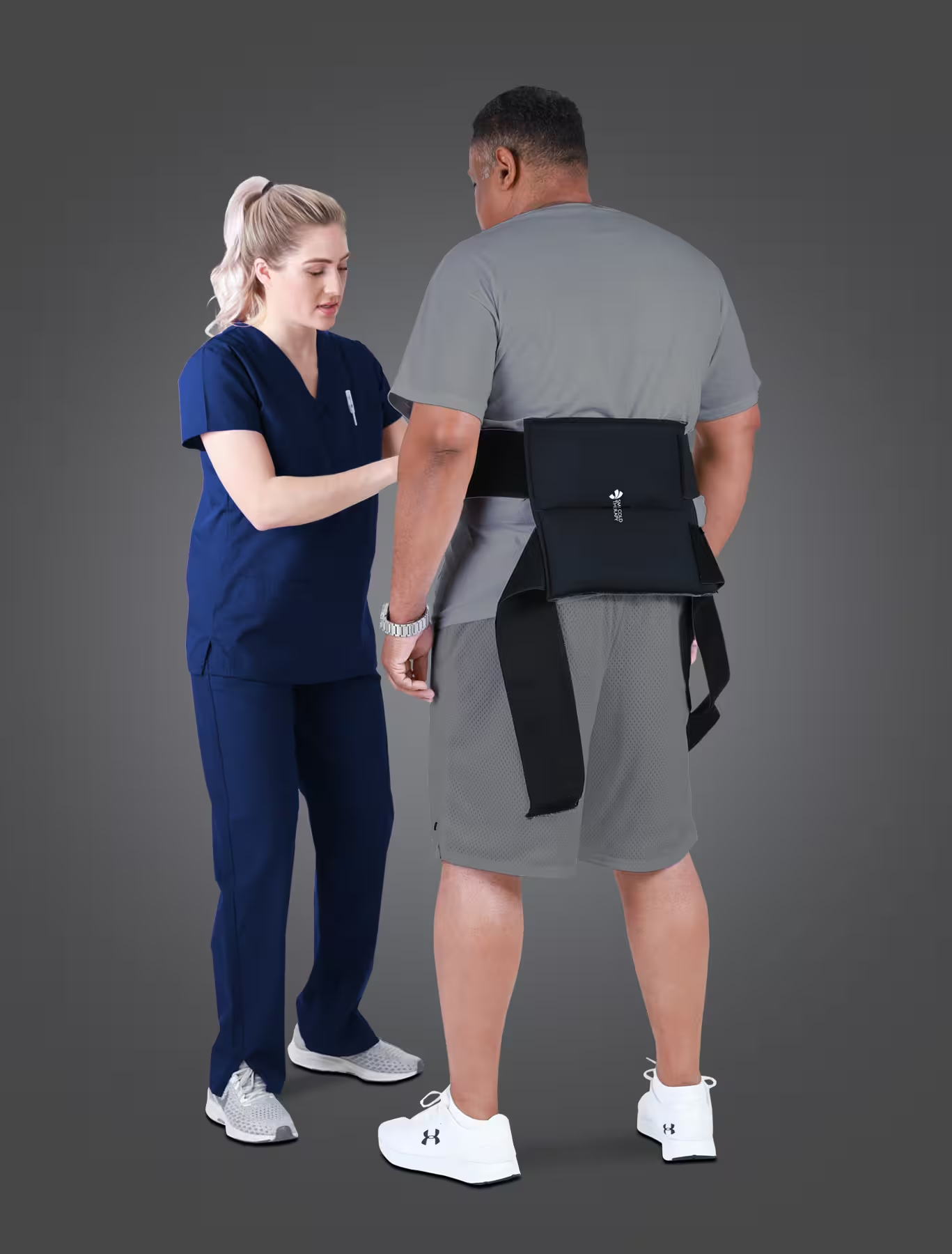
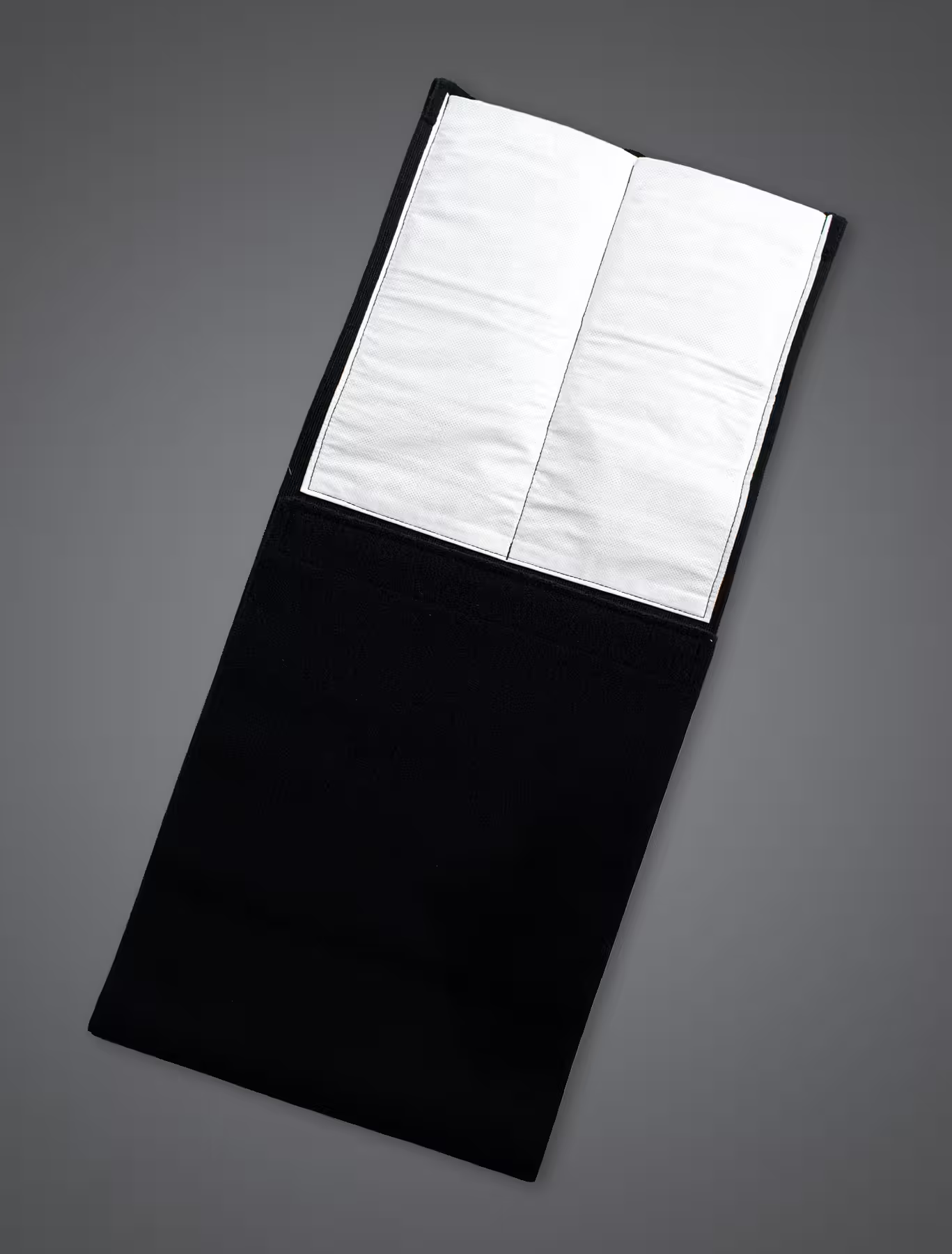
The full back wrap covers a larger surface area than the thoracic style and is often used for lower and mid-back procedures together. The empty back wrap photographed from behind shows the pocket layout before gel packs are added, and the same wrap fully loaded with gel packs shows the finished treatment setup. An angled view of the wrap being worn and a straight-on front view of the same fitting together show how the wrap sits across the torso, while a clinician helping secure the back wrap walks through the application step by step.
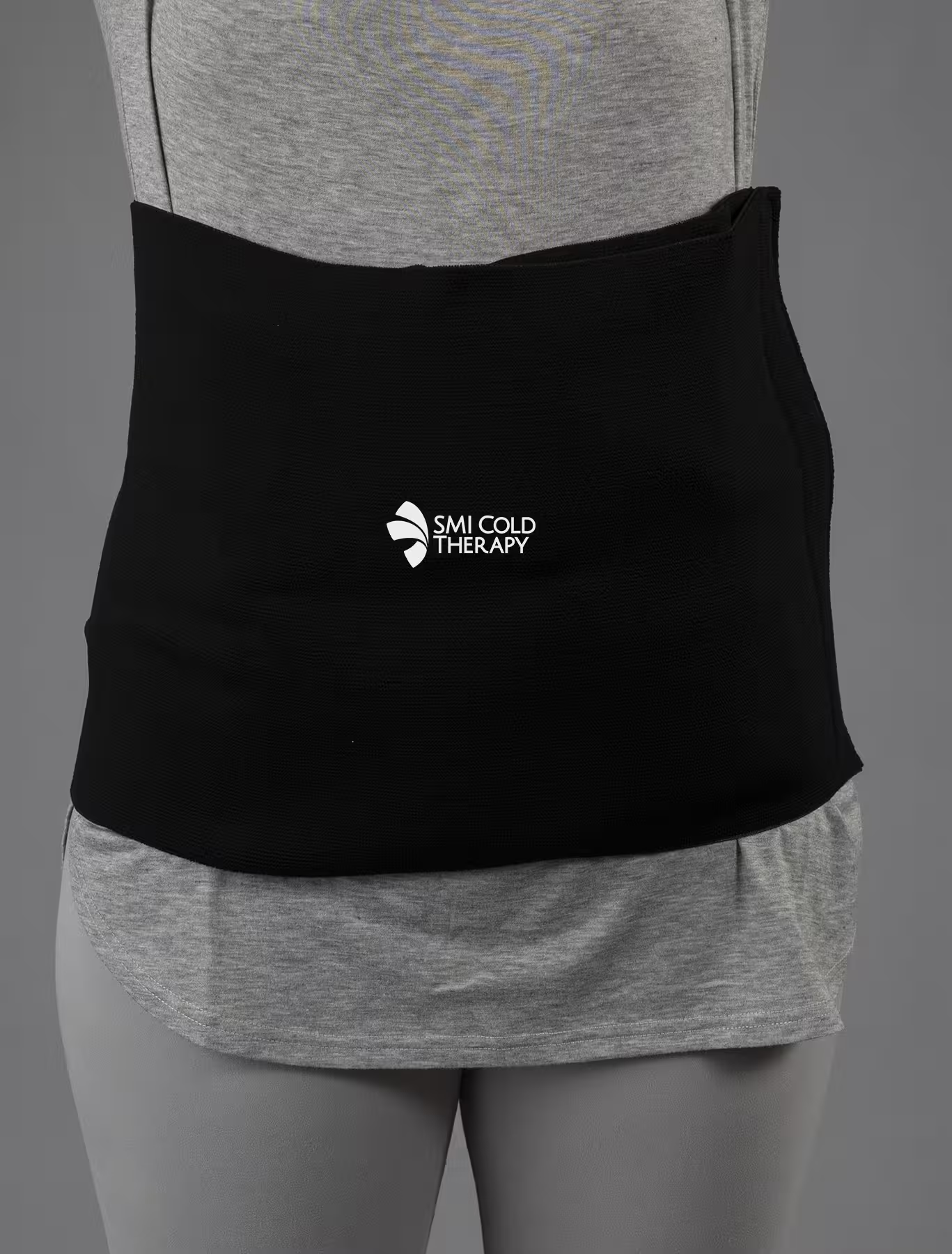
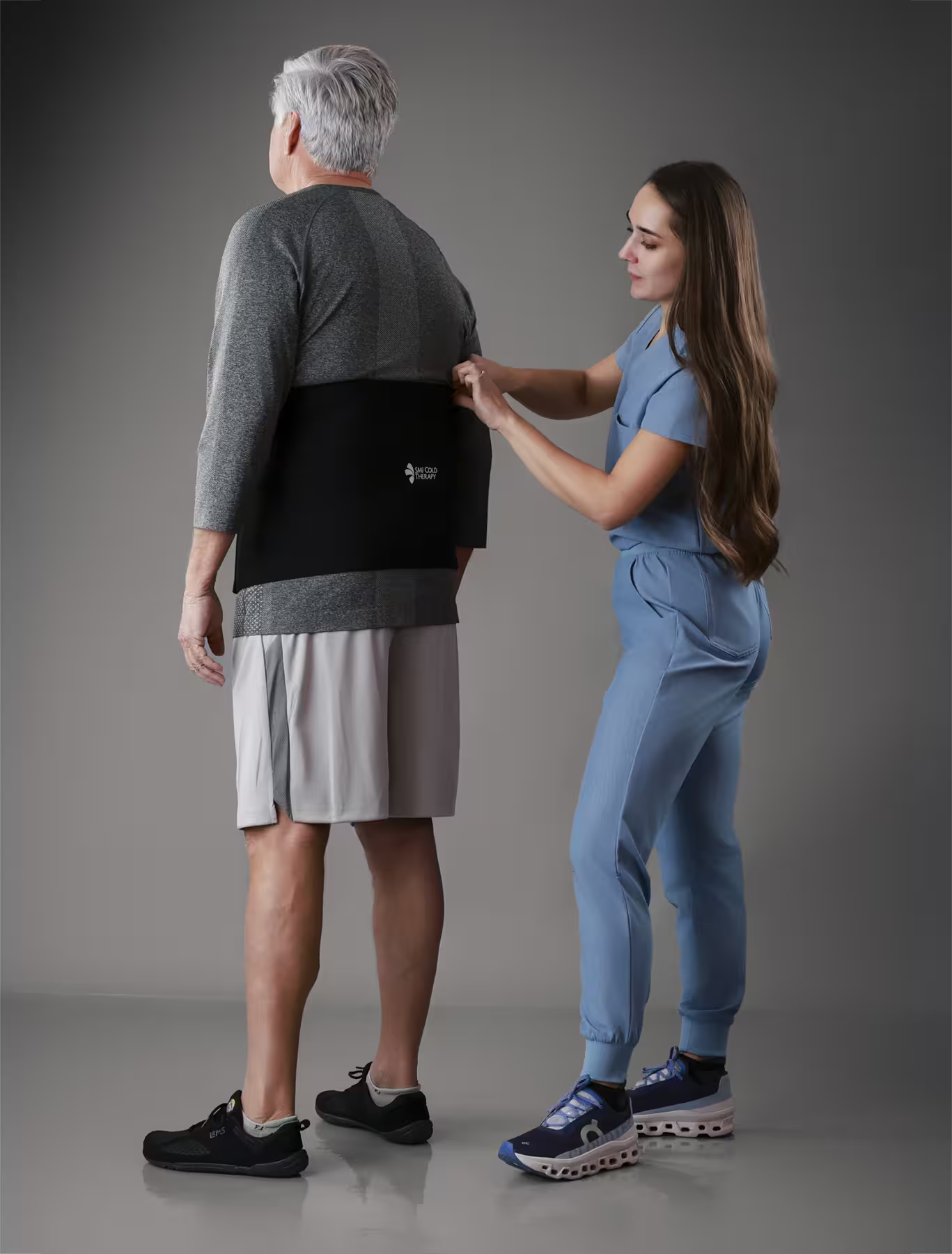
Abdominal surgery patients need compression that supports the incision site without restricting breathing, which is what the ab binder wrap is built for. The binder shown from the back without gel packs shows the closure system, and a close-up view of the binder’s gel pack pockets shows how the inserts sit flat against the abdomen. A nurse positioning the ab binder from behind the patient demonstrates correct placement so the compression stays centered over the incision.
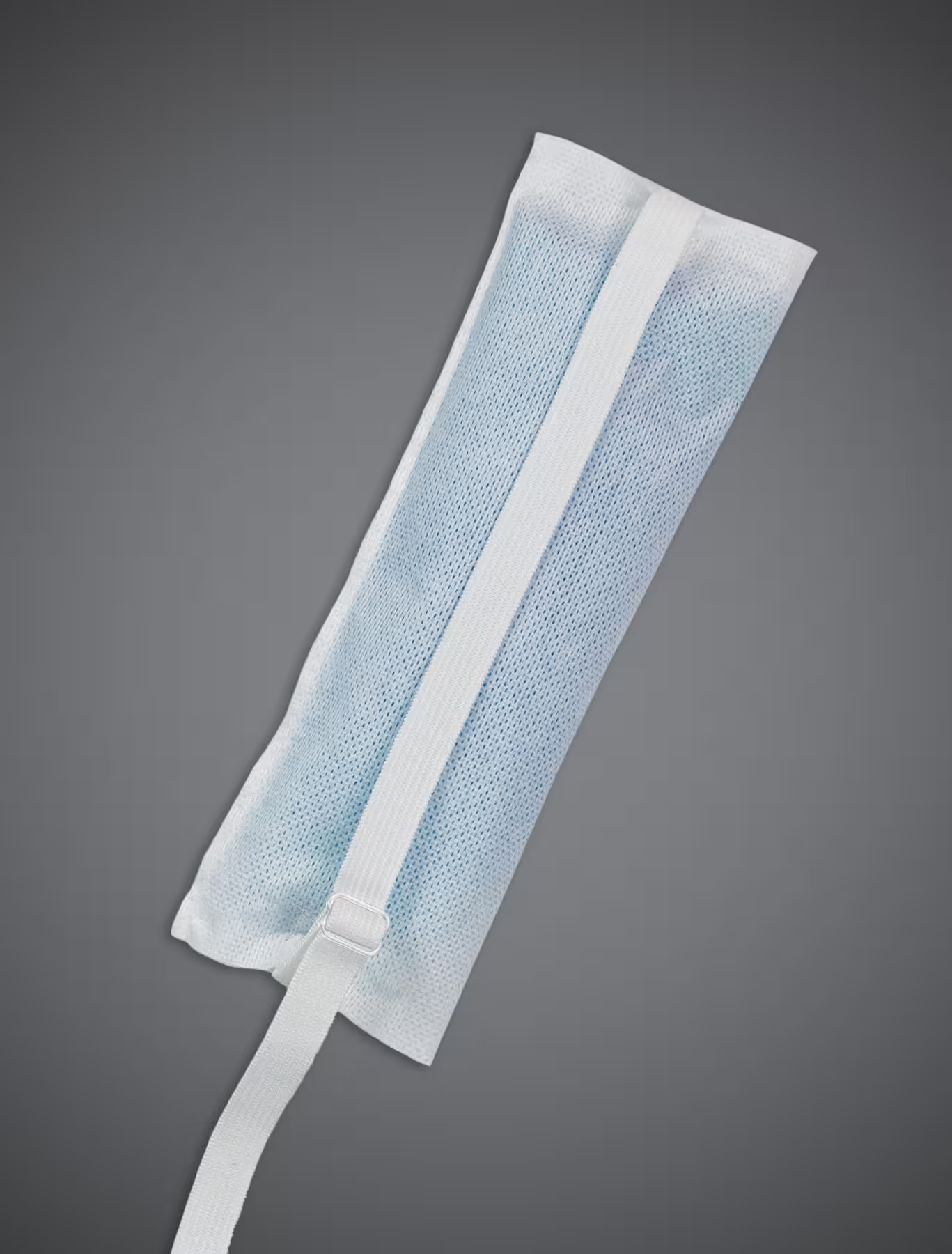
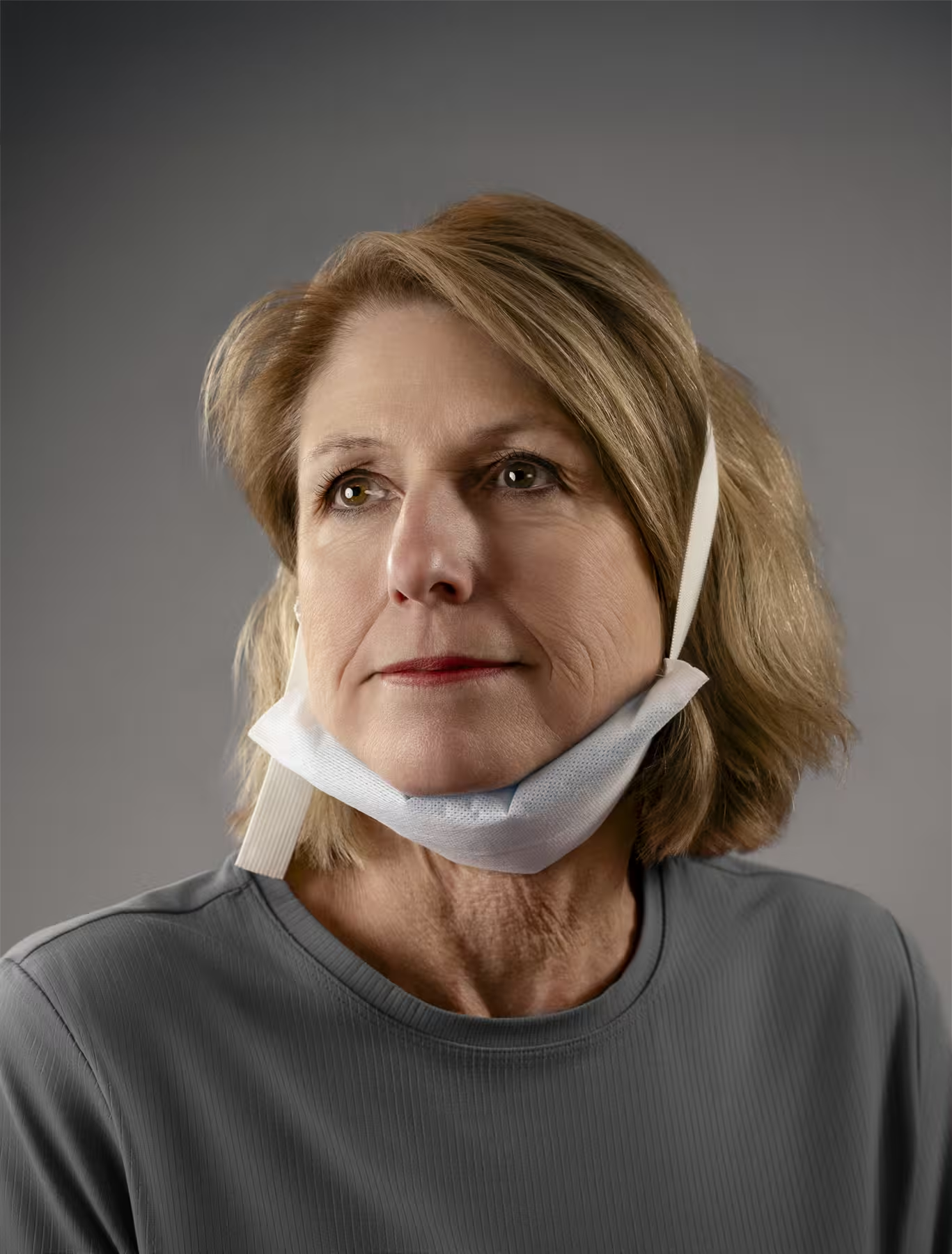
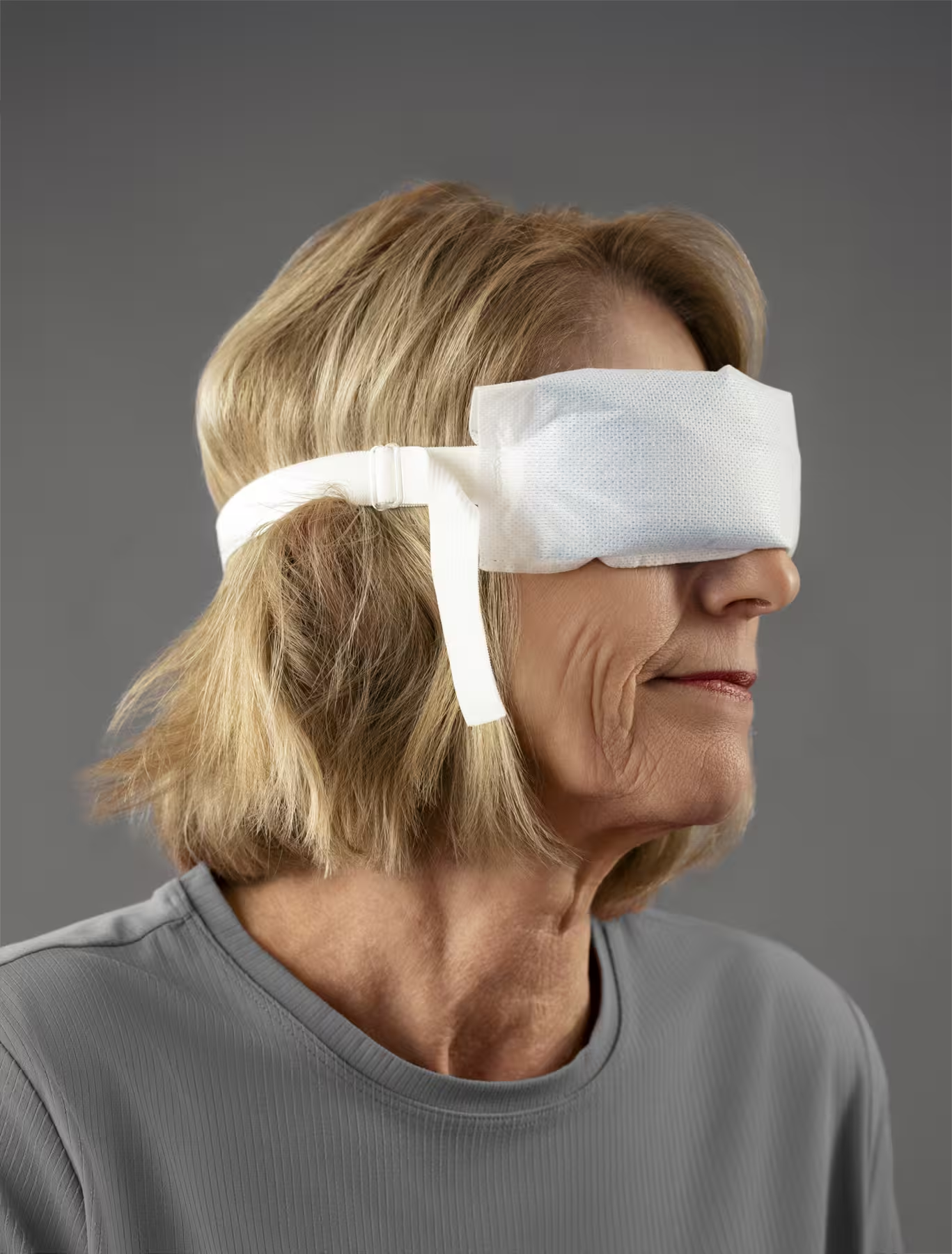
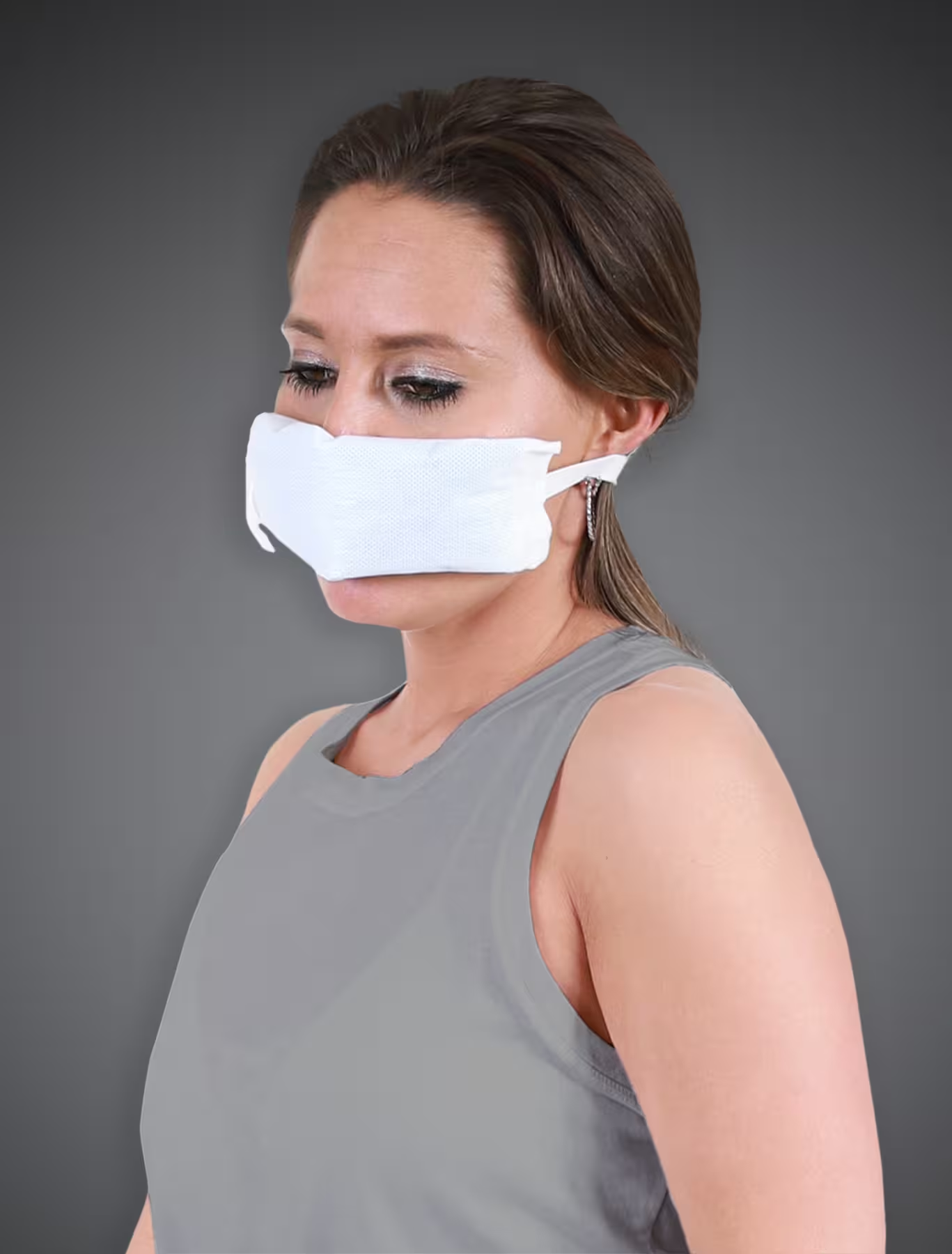
Facial cosmetic and reconstructive procedures benefit from targeted, gentle cold compression around the eyes, cheeks, and jawline. The facial wrap viewed from the back of the head shows how the straps secure without pressing on the ears, while a close-up around the chin and jaw area and a close-up positioned over the eyes show the two most common placement zones. A front view of the wrap fully in place and a detail shot covering the nose and upper lip area round out the fit across the whole face.
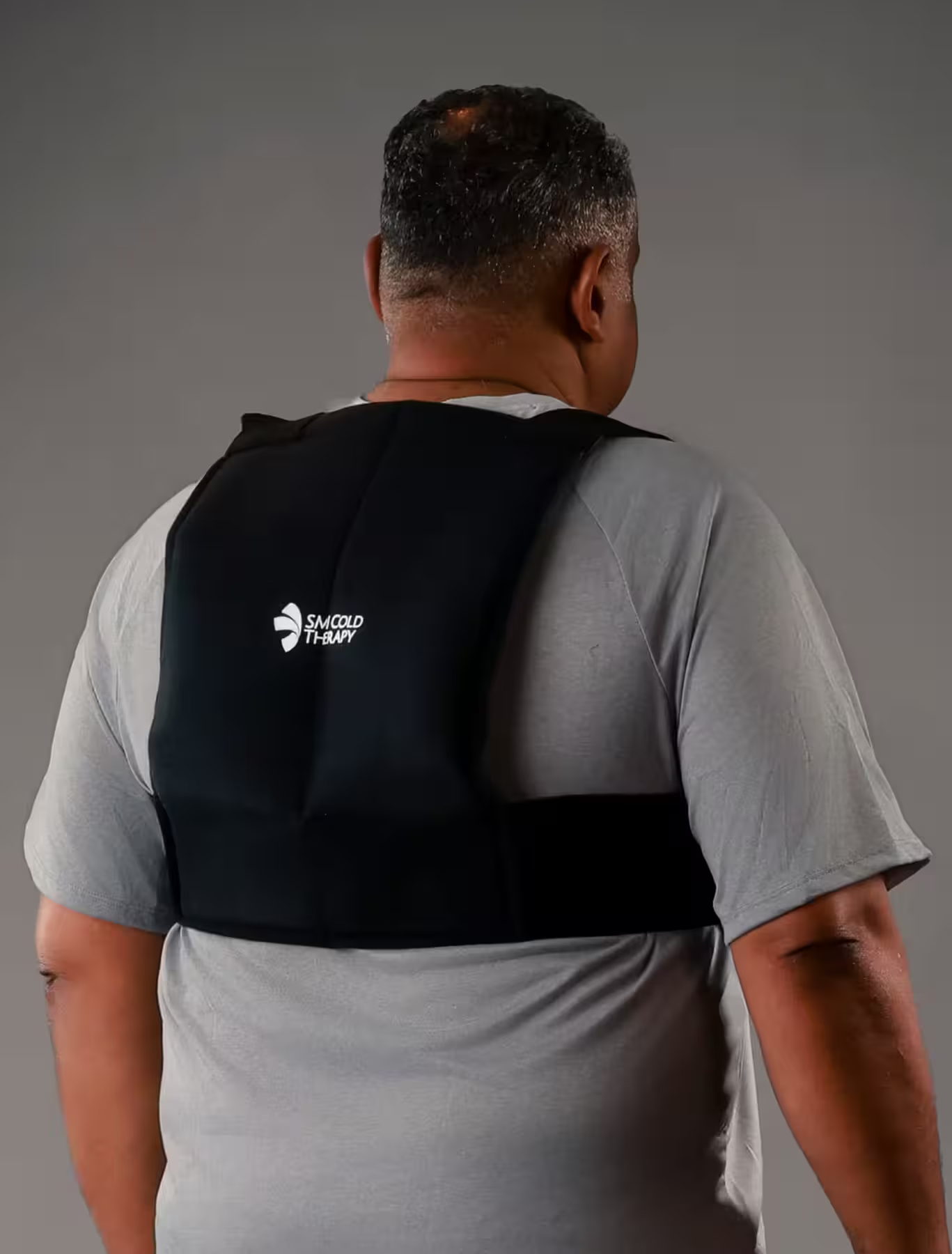
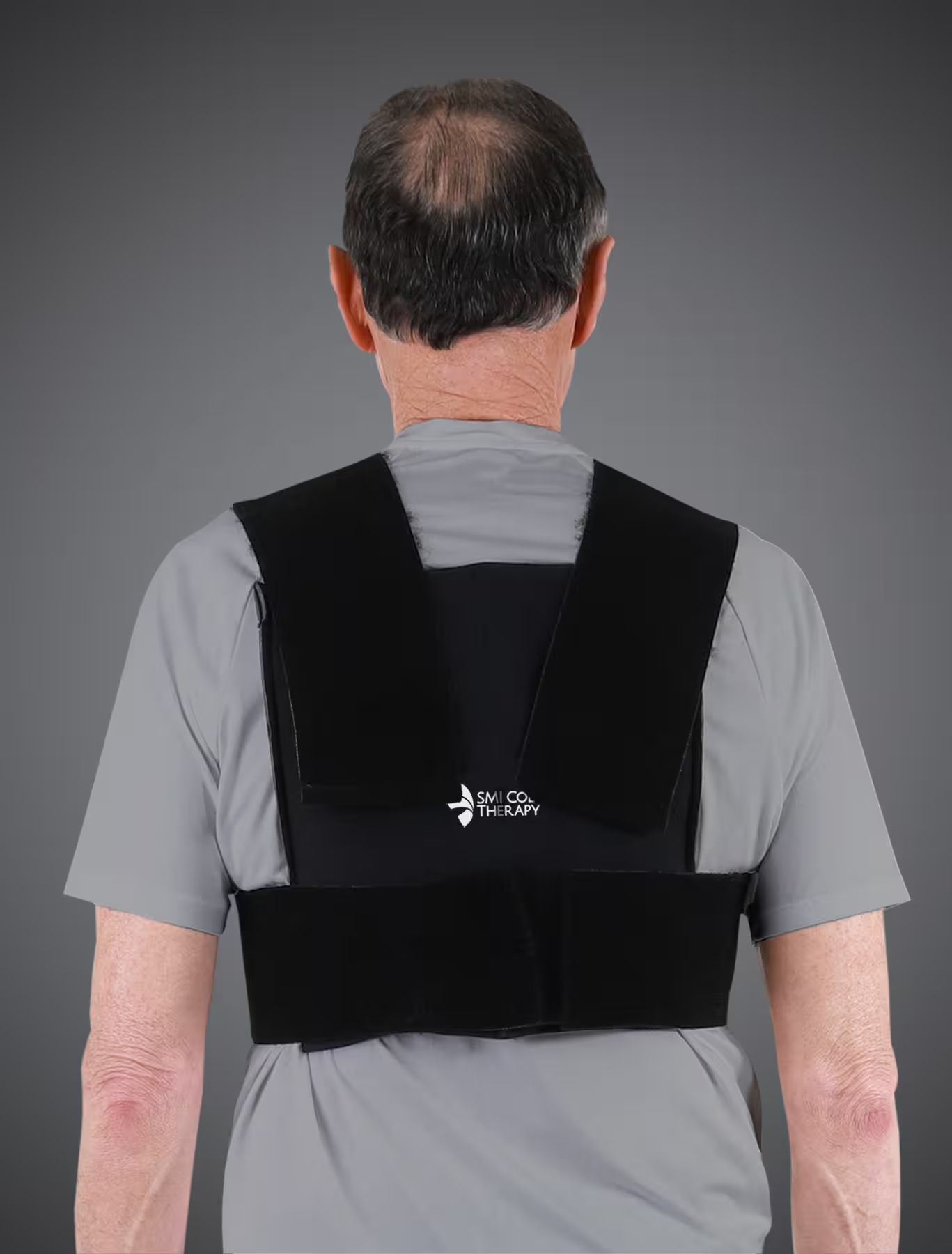
For patients who need broader torso cooling rather than a single targeted zone, the cold vest distributes gel packs evenly across the chest and back. The vest shown from behind with its pack pockets visible illustrates the layout, and a patient wearing the vest during treatment shows the fit in everyday use. Because the fabric has some give, the vest stretched to show its flexible panel construction demonstrates how it accommodates different body sizes without losing compression.
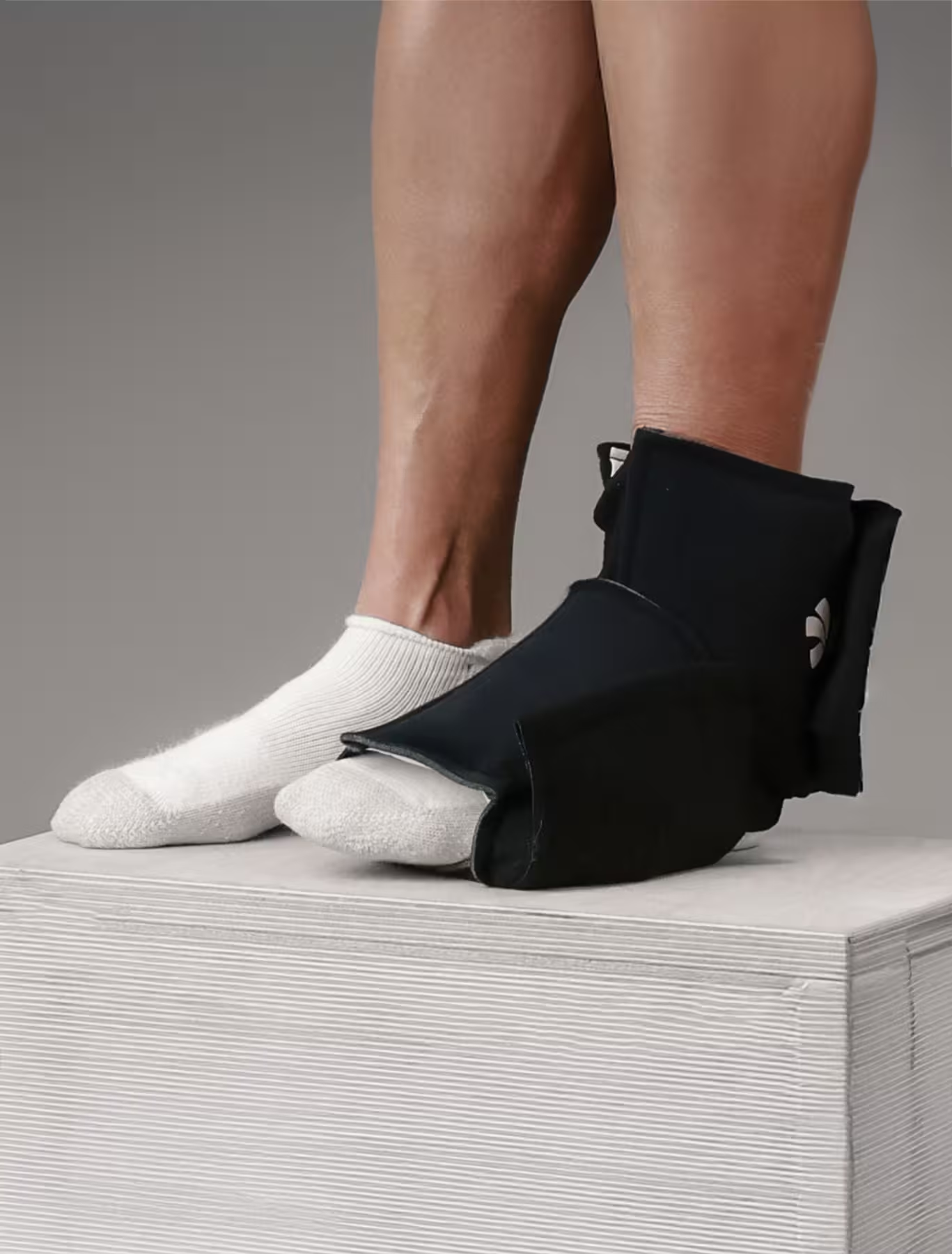
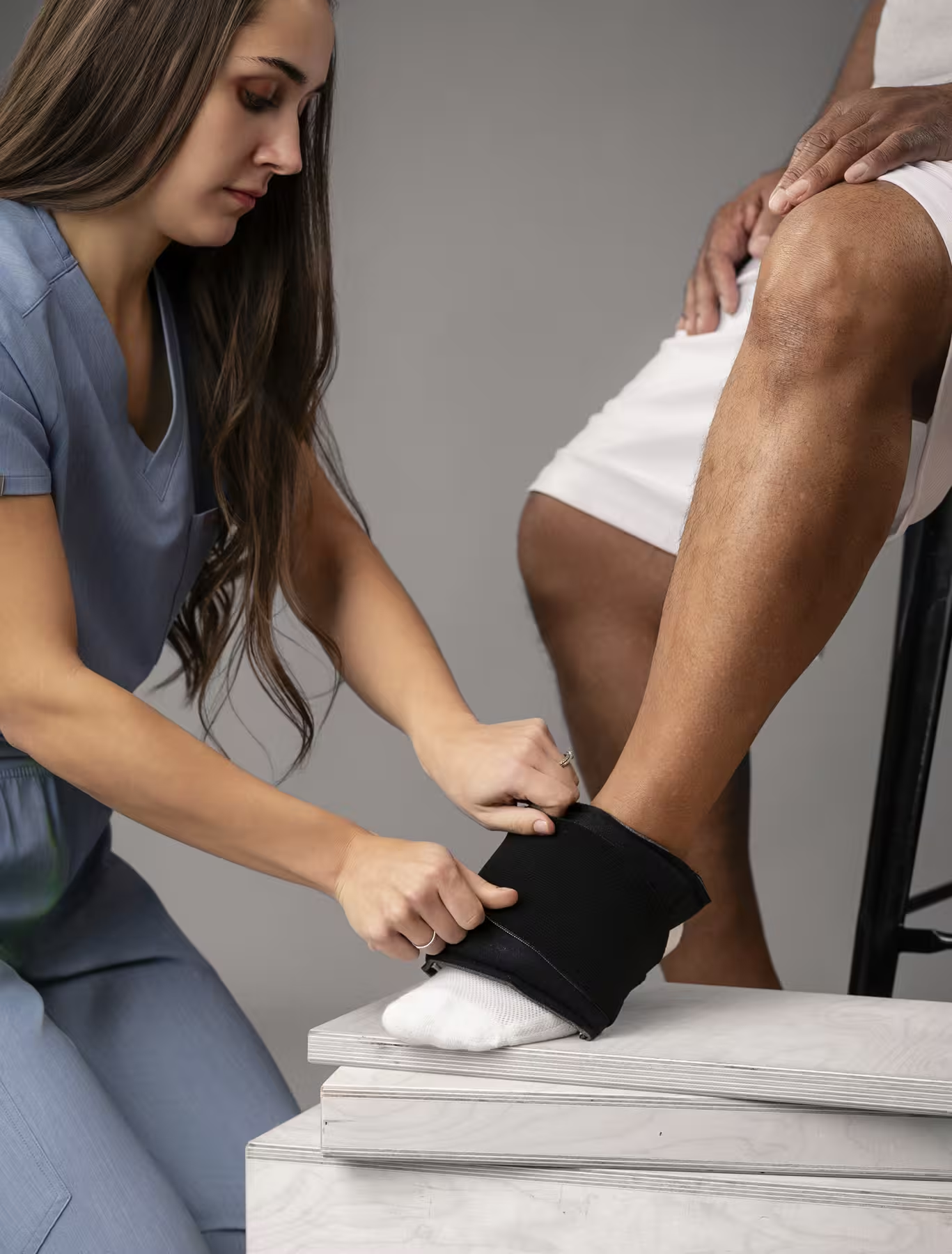
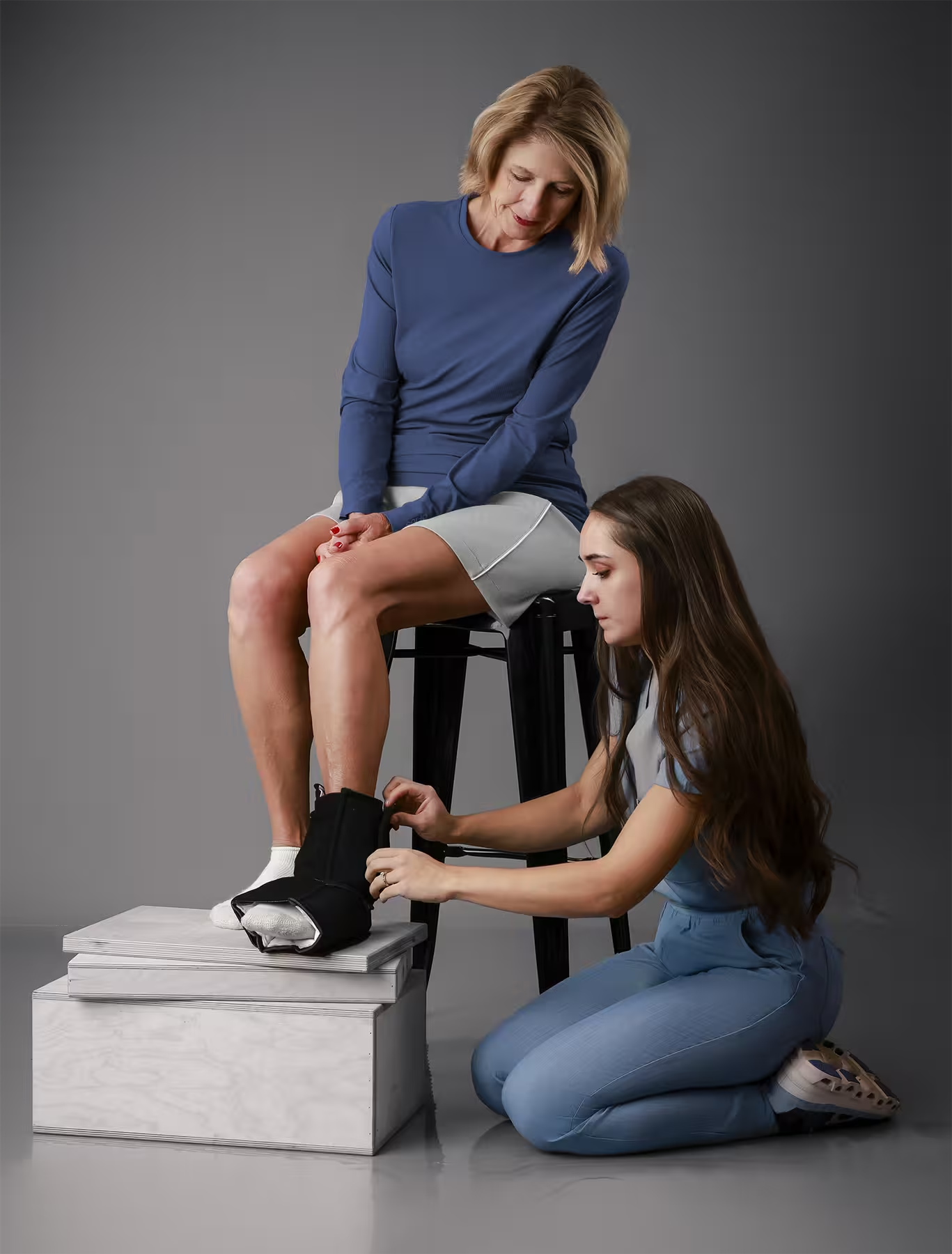
Ankle sprains, foot surgeries, and plantar procedures all call for a wrap that can flex with the joint. A close-up view of the wrap applied directly over the foot shows the fit around the arch and ankle, and the wrap photographed from the back without gel packs shows the strap system before a pack is added. Another close-up of the foot and ankle wrap in place and a front view loaded with gel packs together show the full range of motion the wrap allows once treatment begins.
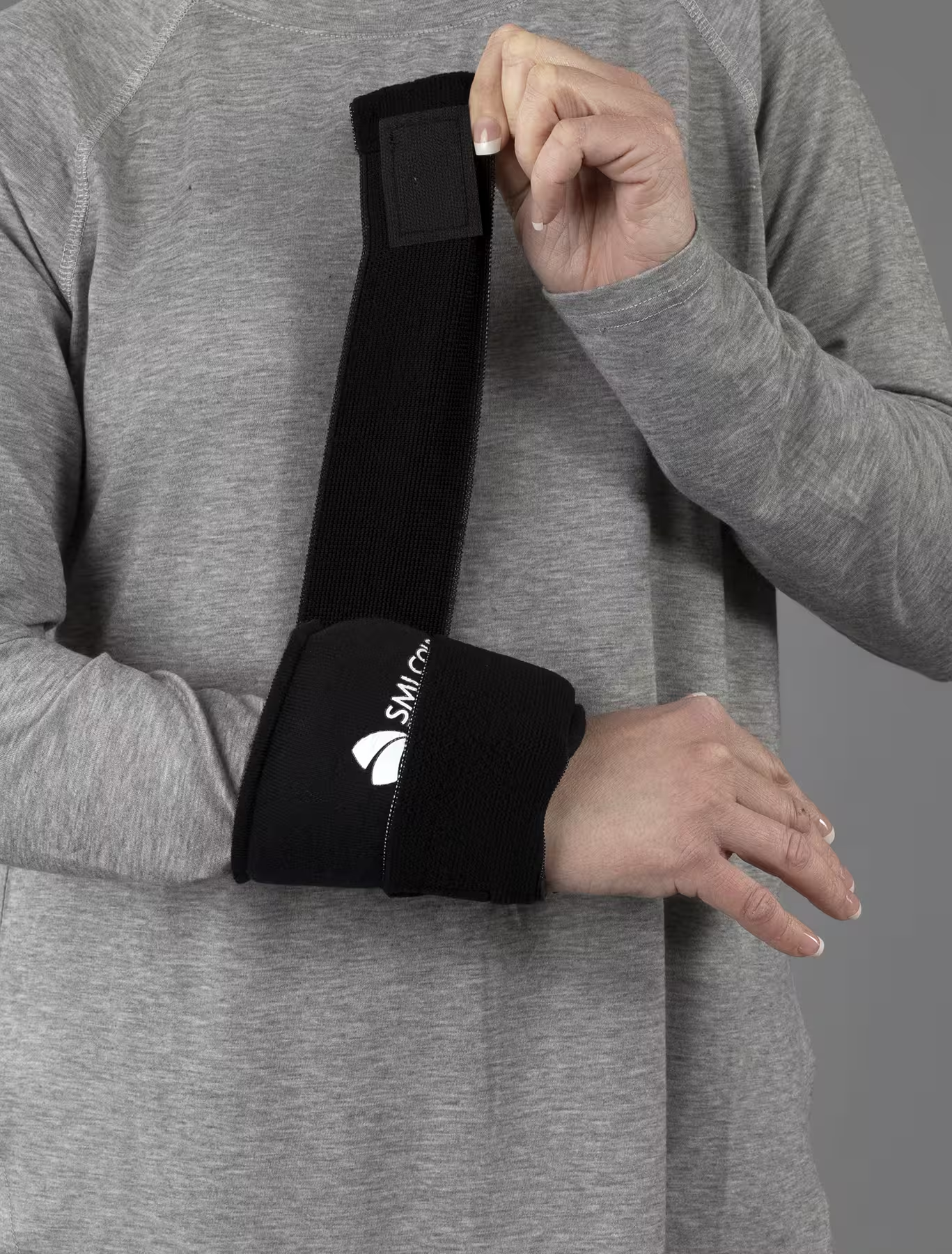
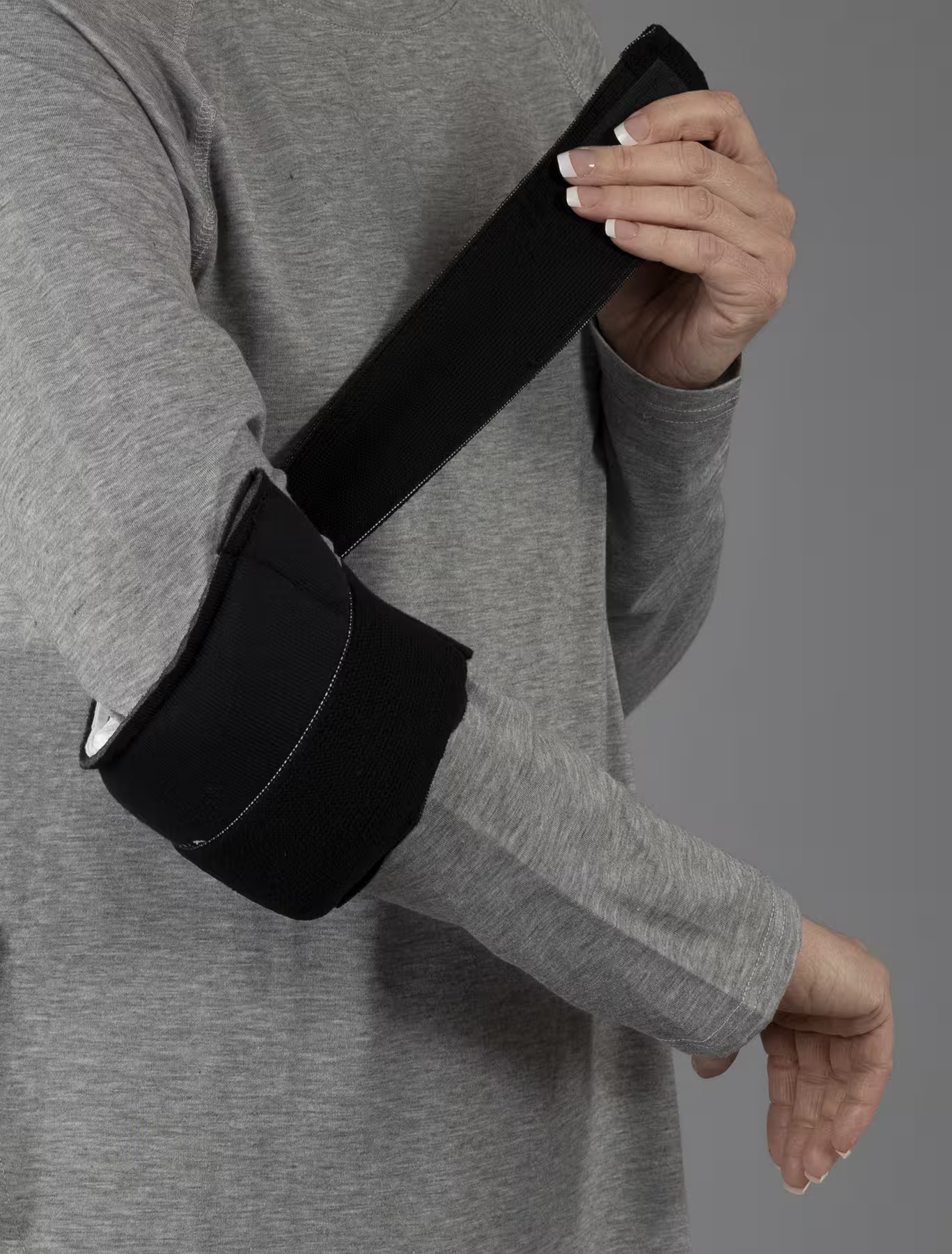
Smaller joints need their own dedicated wrap shape, which is where our hand, wrist, and elbow (HWE) line comes in. A close-up of the wrap applied to the hand shows how the fabric contours around the knuckles and wrist, while a close-up of the same wrap style on the elbow shows the version sized for larger joints. A clinician helping a patient secure the hand wrap shows the typical fitting process for this line.
When a treatment area is too large for a single joint-specific wrap, the LAG wrap is built to span it. A close-up of the LAG wrap’s pocket construction shows the panel layout, and a full-body view of the wrap in use shows just how much surface area it covers. Loaded for treatment, the wrap holds its full set of gel packs here, and a second angle of the loaded wrap shows the fit from the side. A nurse assisting with the LAG wrap fitting completes the picture of how it’s applied in a clinical setting.
Not every clinic wants to stock a different wrap for every joint, which is why the Universal wrap is designed to adapt to several body areas with one adjustable design. A close-up of the Universal wrap’s adjustable fastening system shows how it cinches down for a snug fit, and the wrap shown from the back without gel packs shows the base construction. Loaded with packs, it looks like this in a scaled front view. It works just as well lower on the body, as shown by a nurse applying it directly to the foot and a fitting demonstrated on the calf.
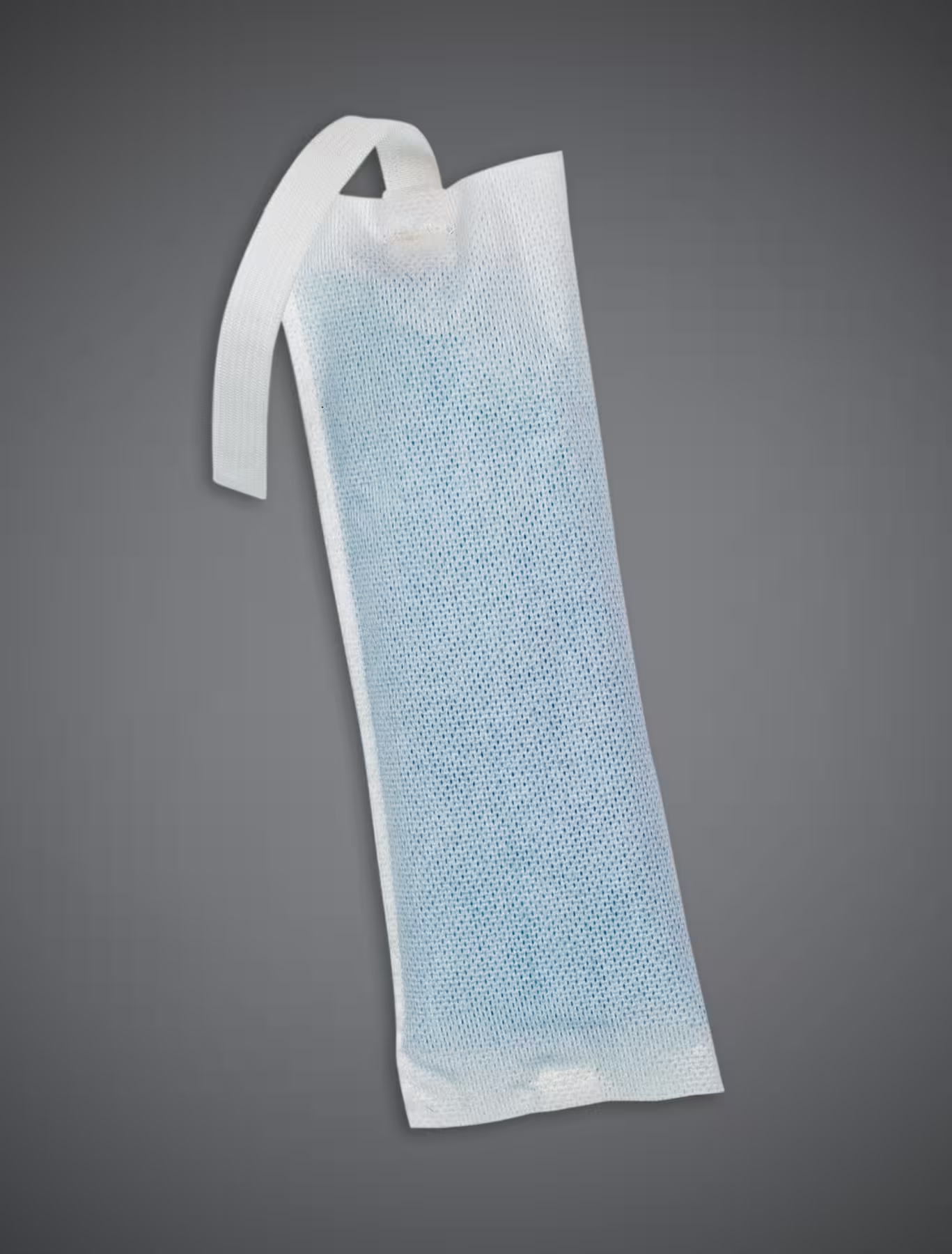
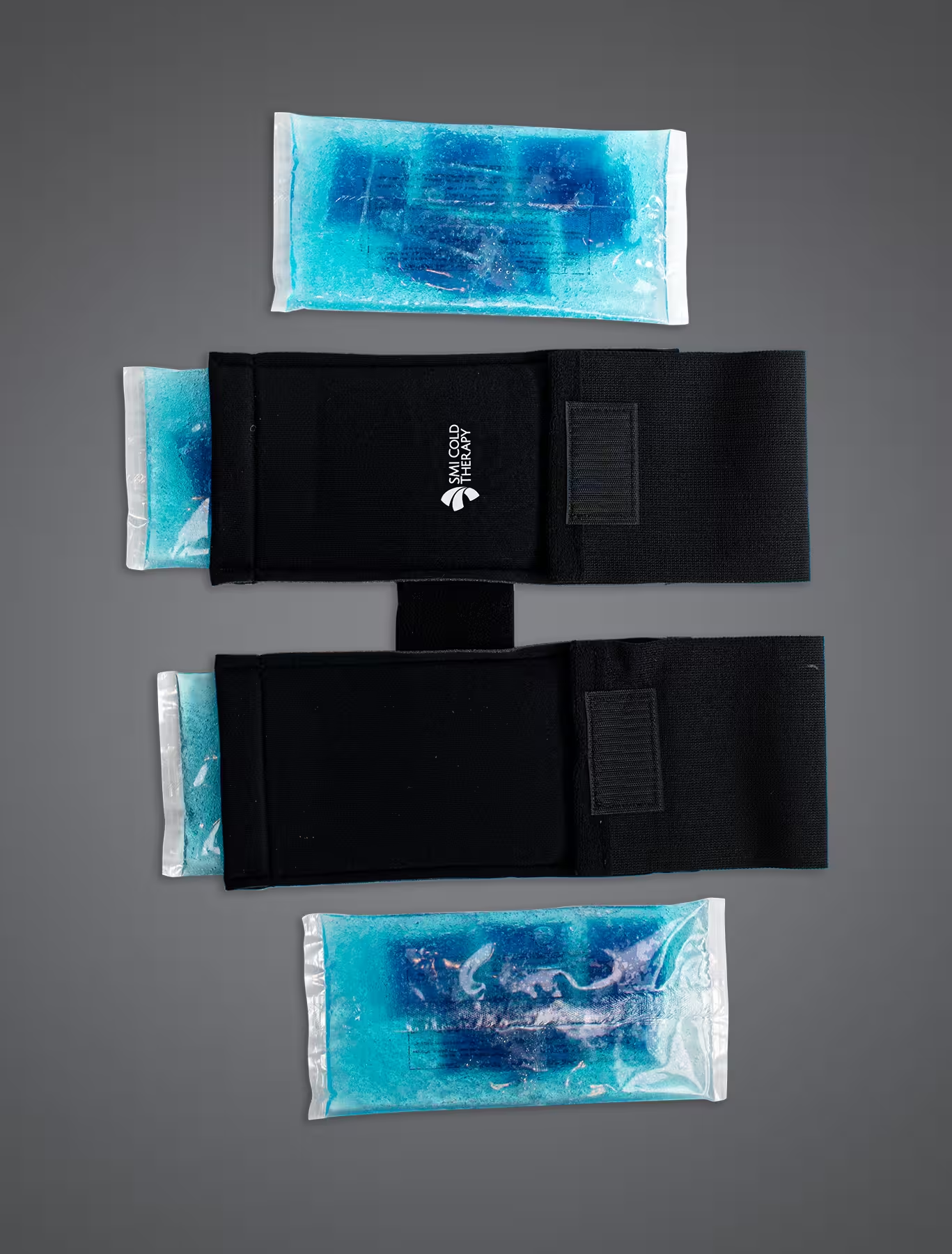
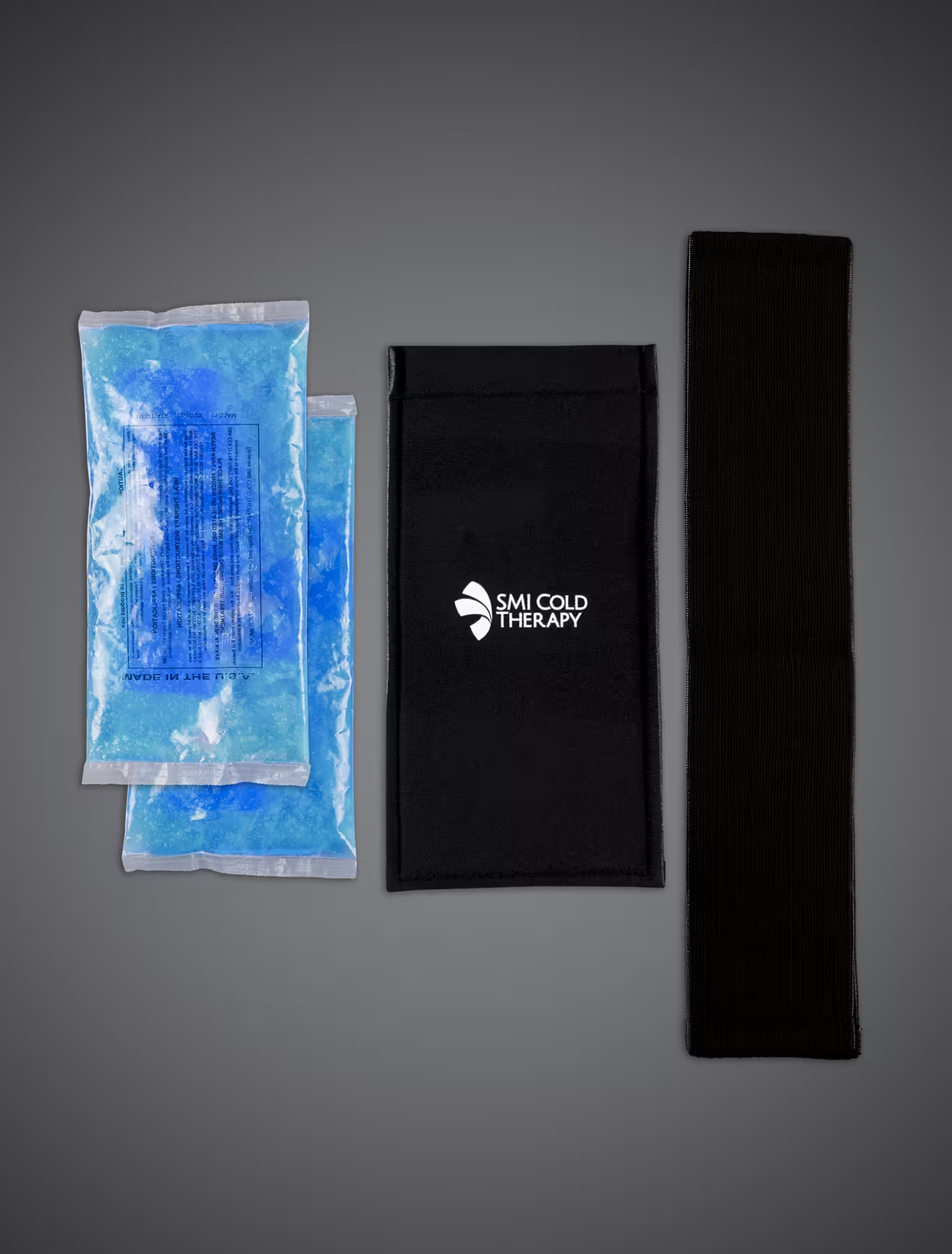
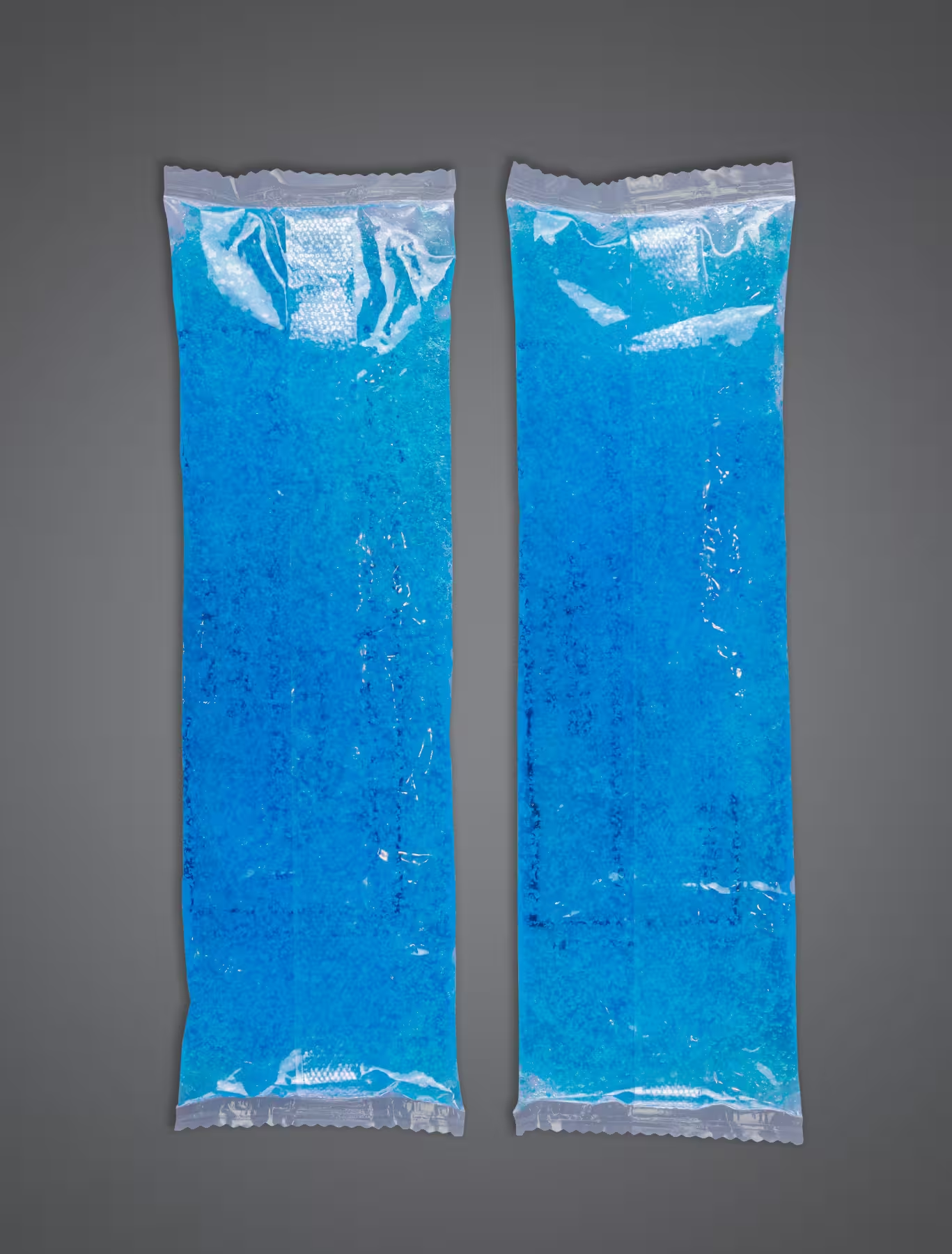
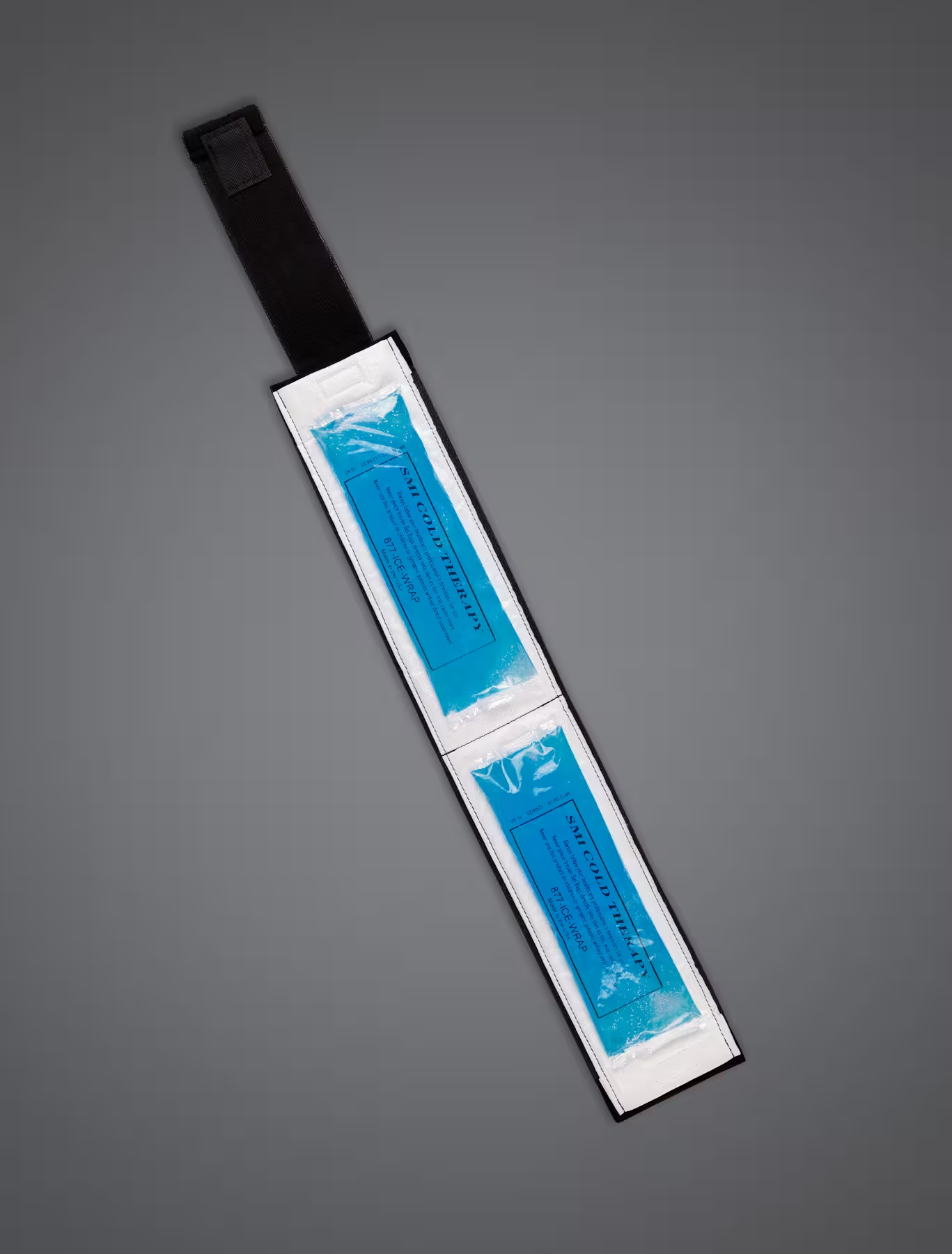
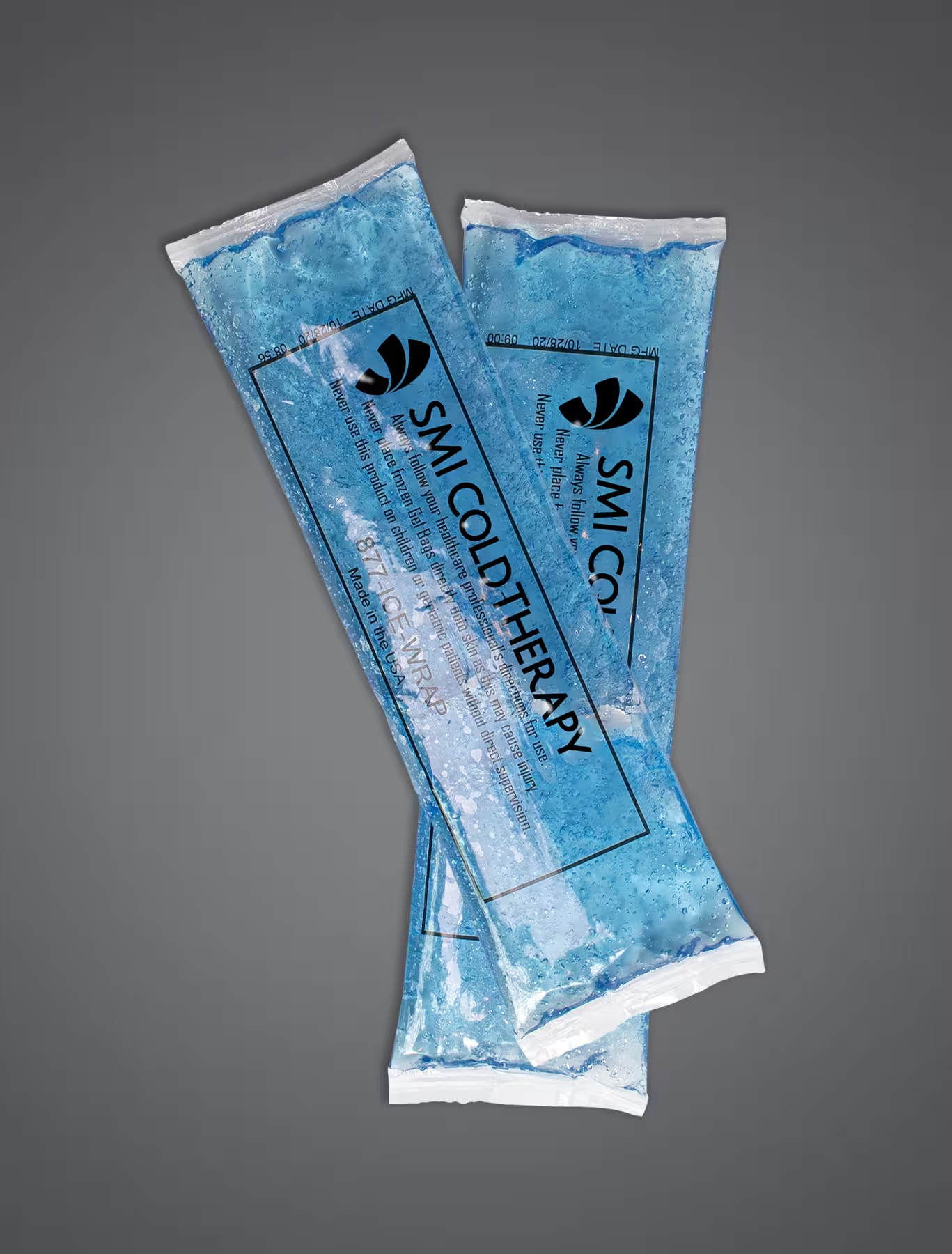
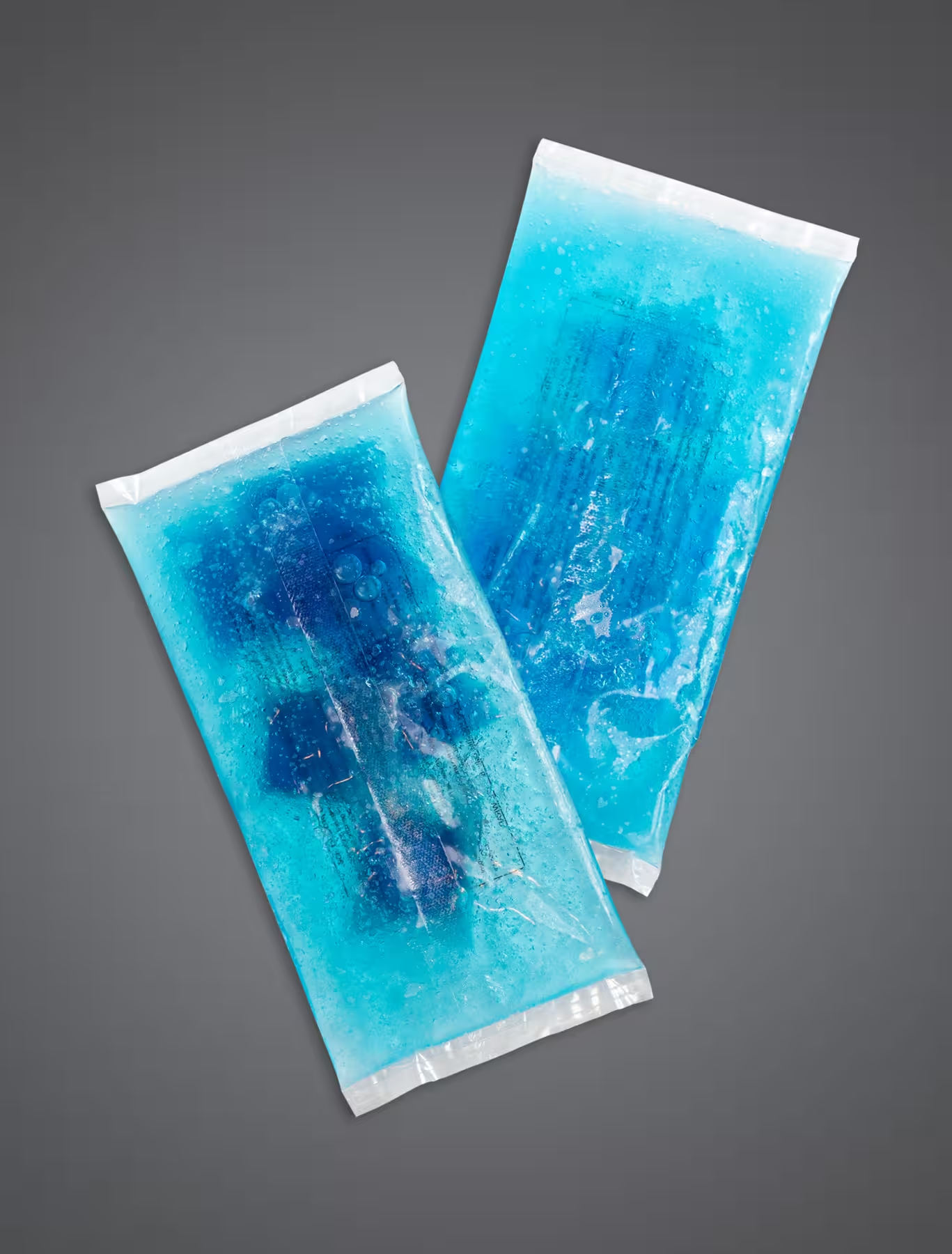
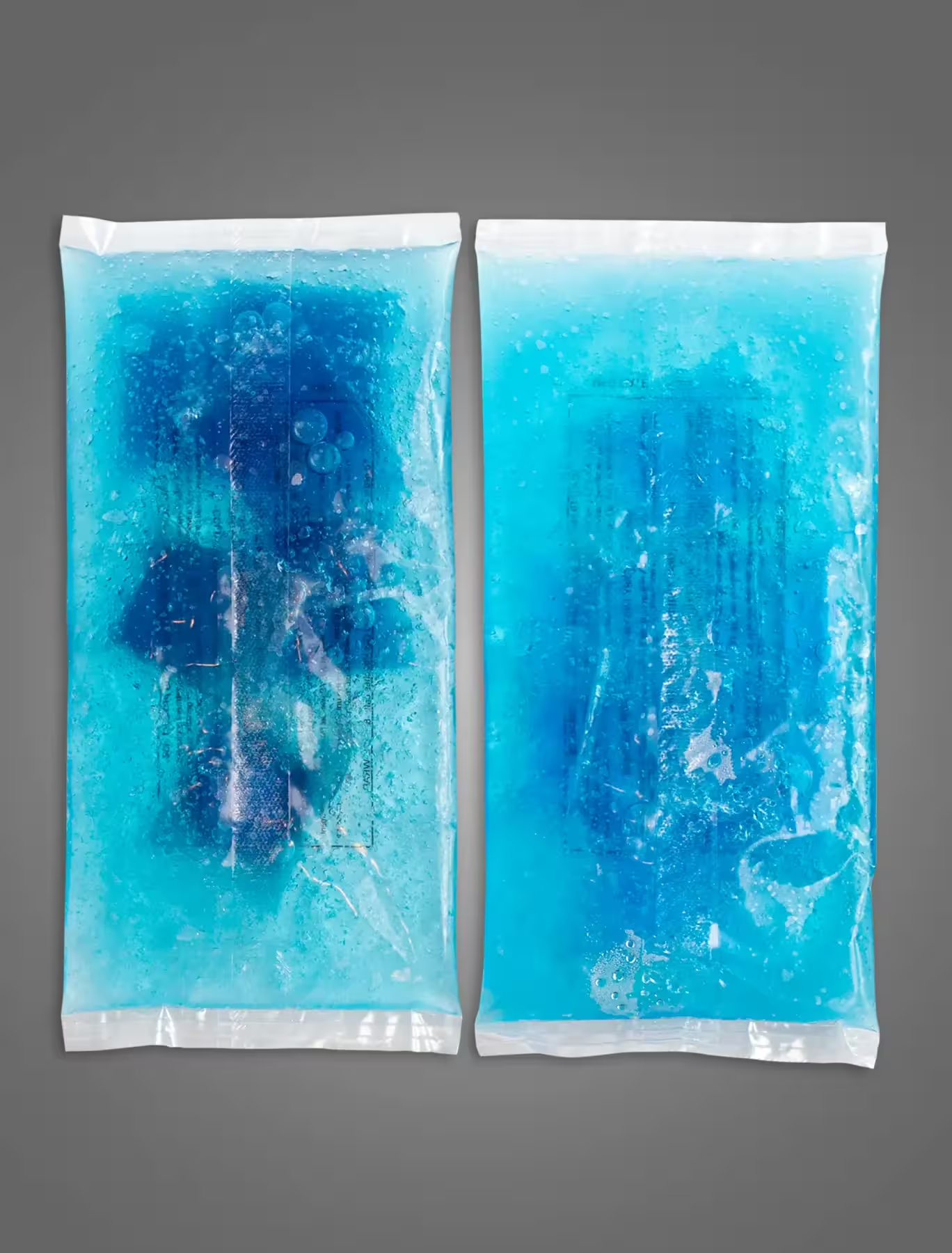
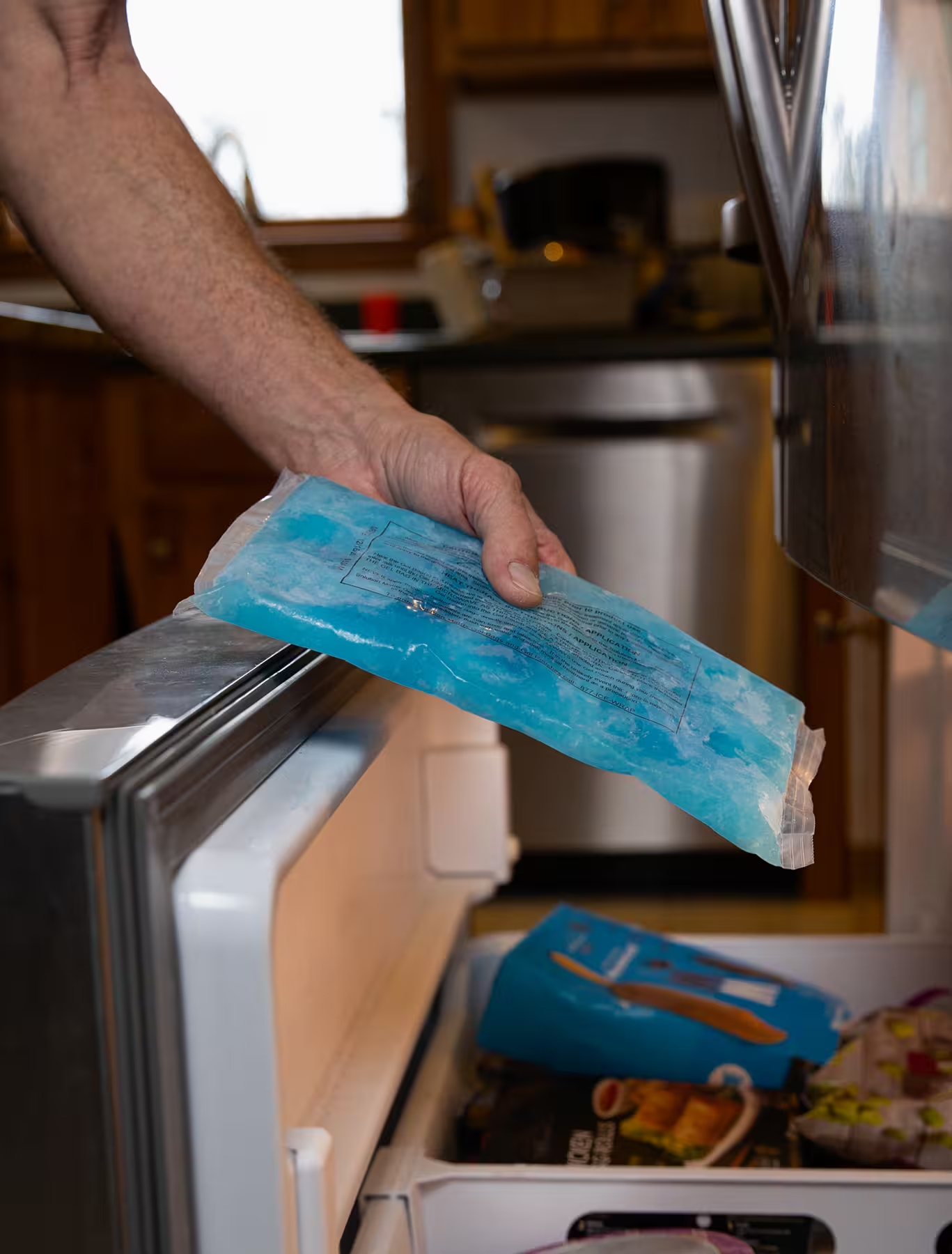
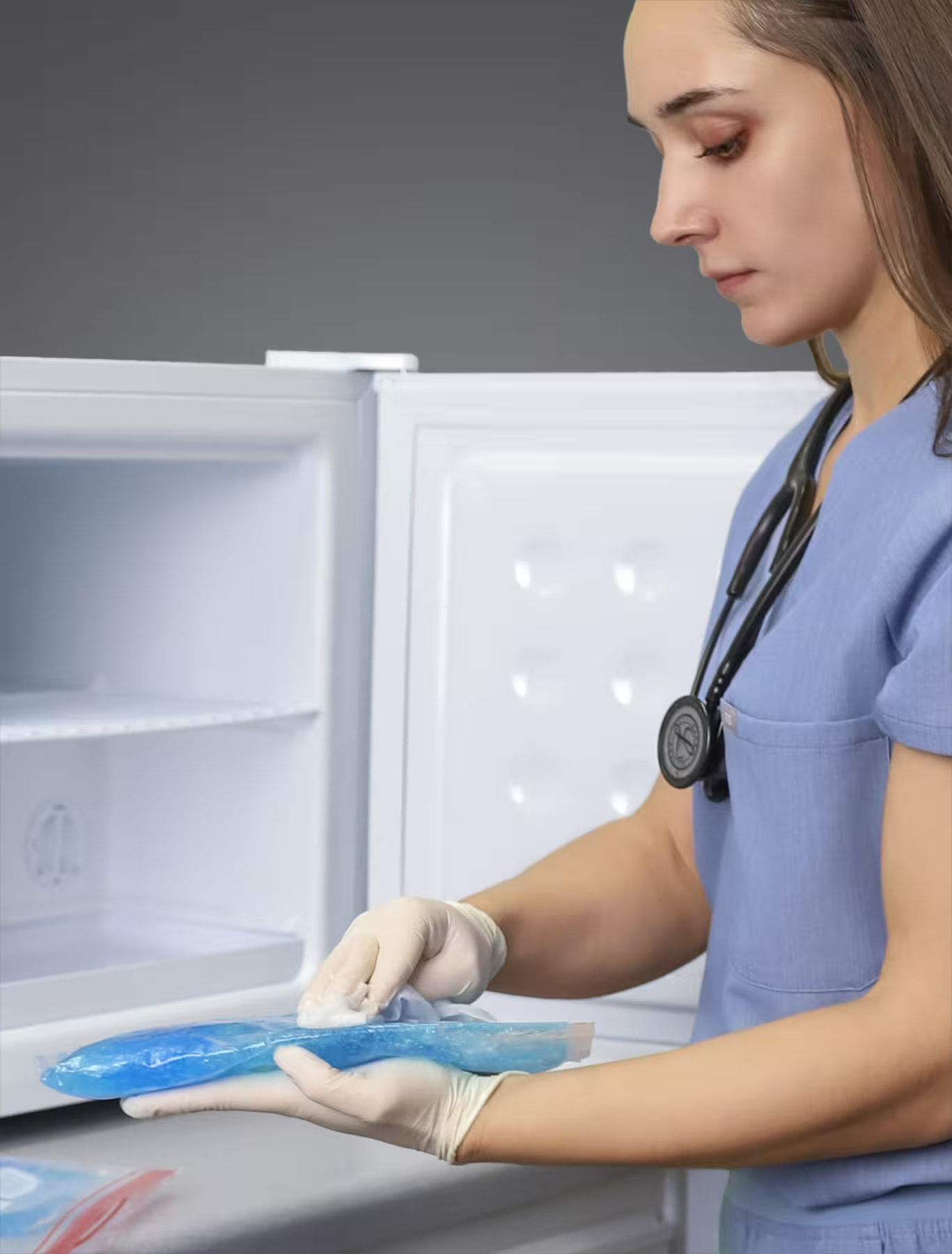
Every wrap in the SMI line uses the same reusable gel bag system, which is what makes the whole product line practical for repeated clinical use instead of disposable ice packs. The small gel bags used in our compact wraps are shown lined up side by side before use, inserted into a wrap and ready for treatment, and on their own in this detail shot. They’re also compatible with our compact PDK wrap, shown fitted with the small gel bags in place. For larger wraps, the standard gel packs are shown crossed over one another before packing, already seated inside a wrap’s pockets, and laid out individually against a plain background. Between uses, the packs go back into the freezer, as shown with a pack being placed into the freezer and with a nurse restocking the freezer supply, so a fresh set is always ready for the next patient.
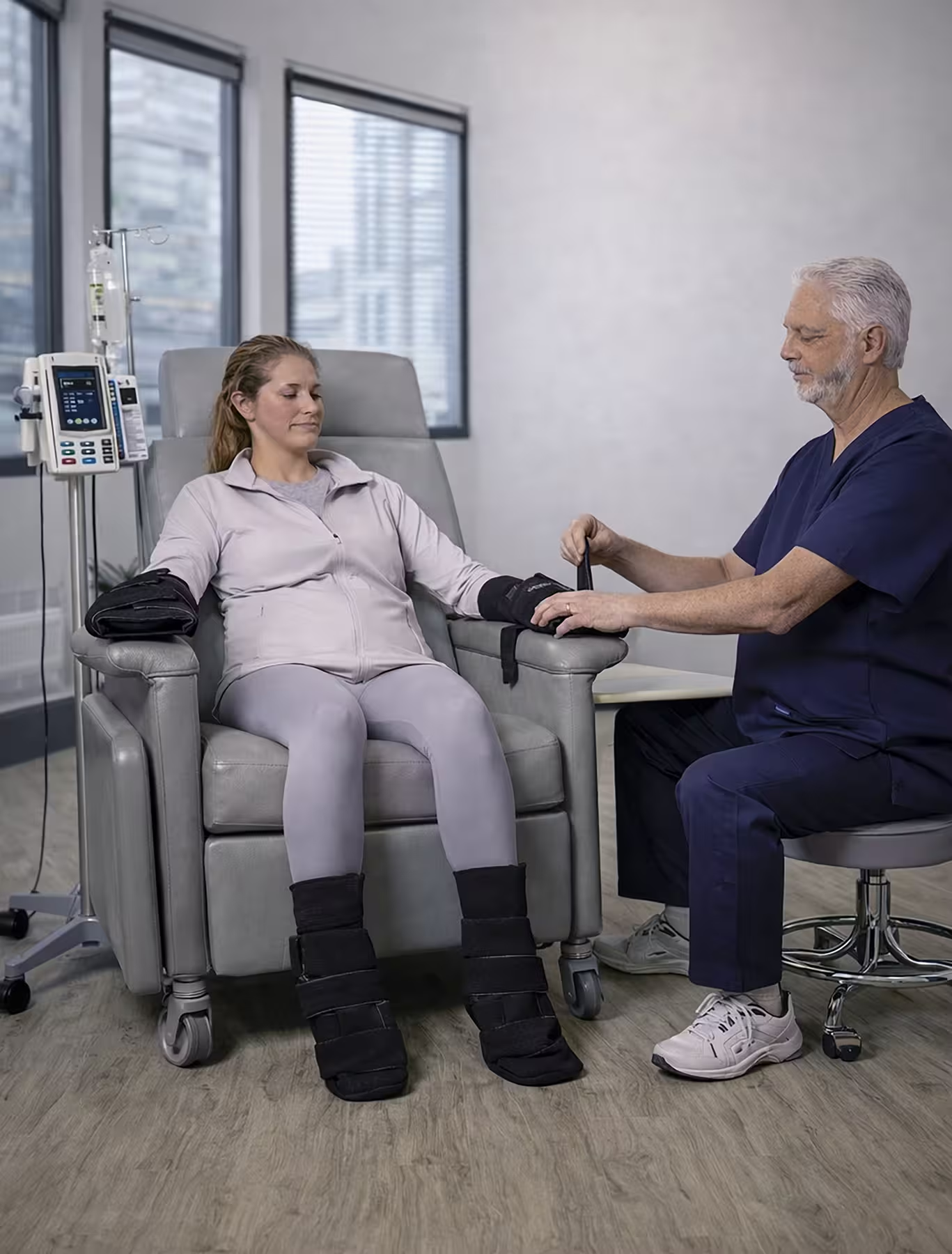
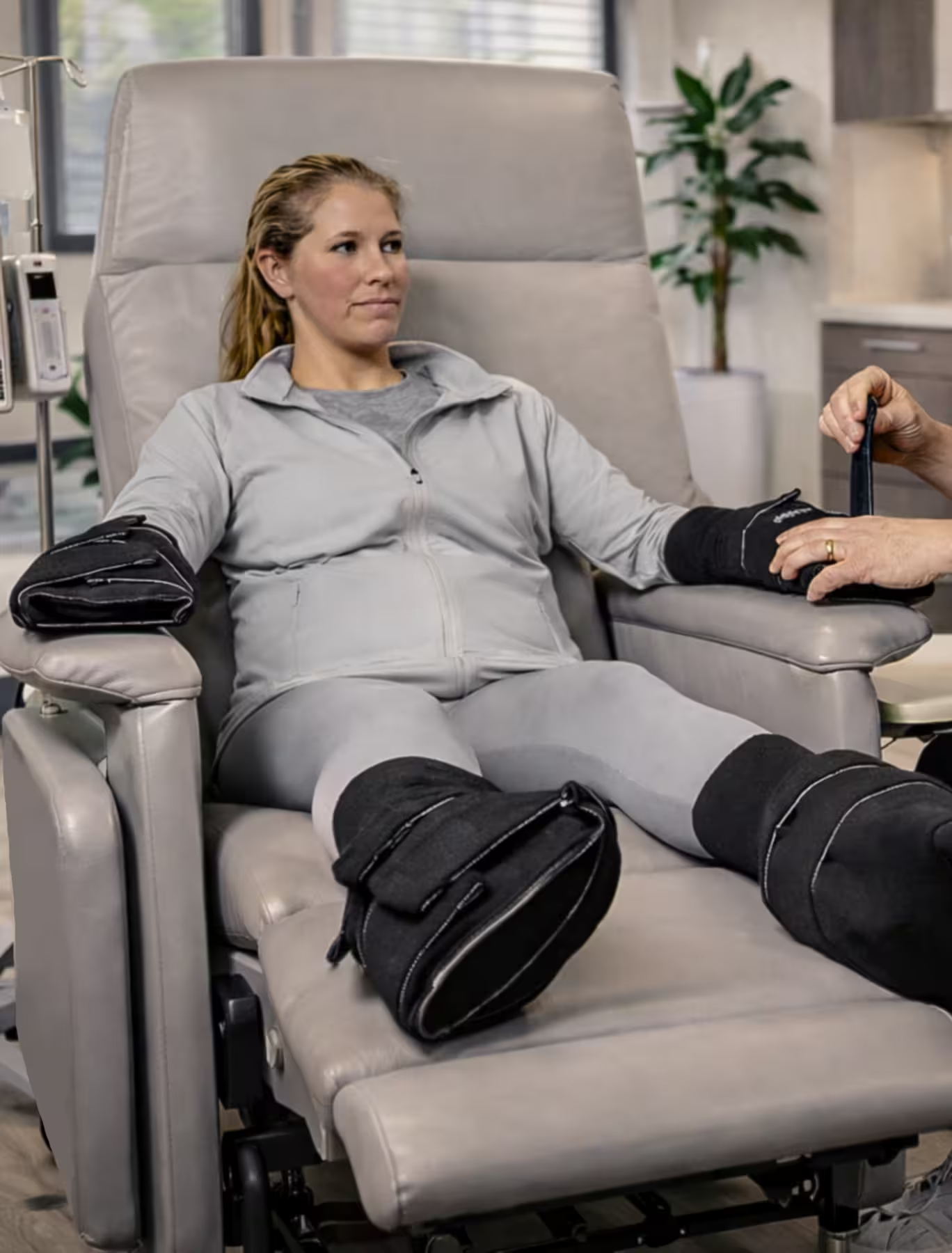
Cold therapy wraps are often introduced during an infusion visit rather than after a separate consult, and our infusion center, where many patients are first fitted for a wrap is set up to make that handoff simple. A patient resting comfortably with their feet elevated during treatment shows the kind of low-stress environment we aim for, and a clinician checking in with a patient mid-treatment reflects the ongoing support patients get throughout a session, not just at the initial fitting.
Every wrap ships with clear guidance so patients can continue treatment safely at home between clinical visits. Our chemo wrap use-instruction sheet walks through gel pack timing, wear duration, and skin-check guidelines specifically for patients using cold therapy during chemotherapy infusions, where consistent, well-timed cooling can make a meaningful difference in comfort.
We hear regularly from patients about how much a well-fitted wrap changes their recovery experience. One patient’s account, documented in our neuropathy patient testimonial, describes the difference consistent cold compression made in managing chronic nerve-related discomfort over the course of treatment.
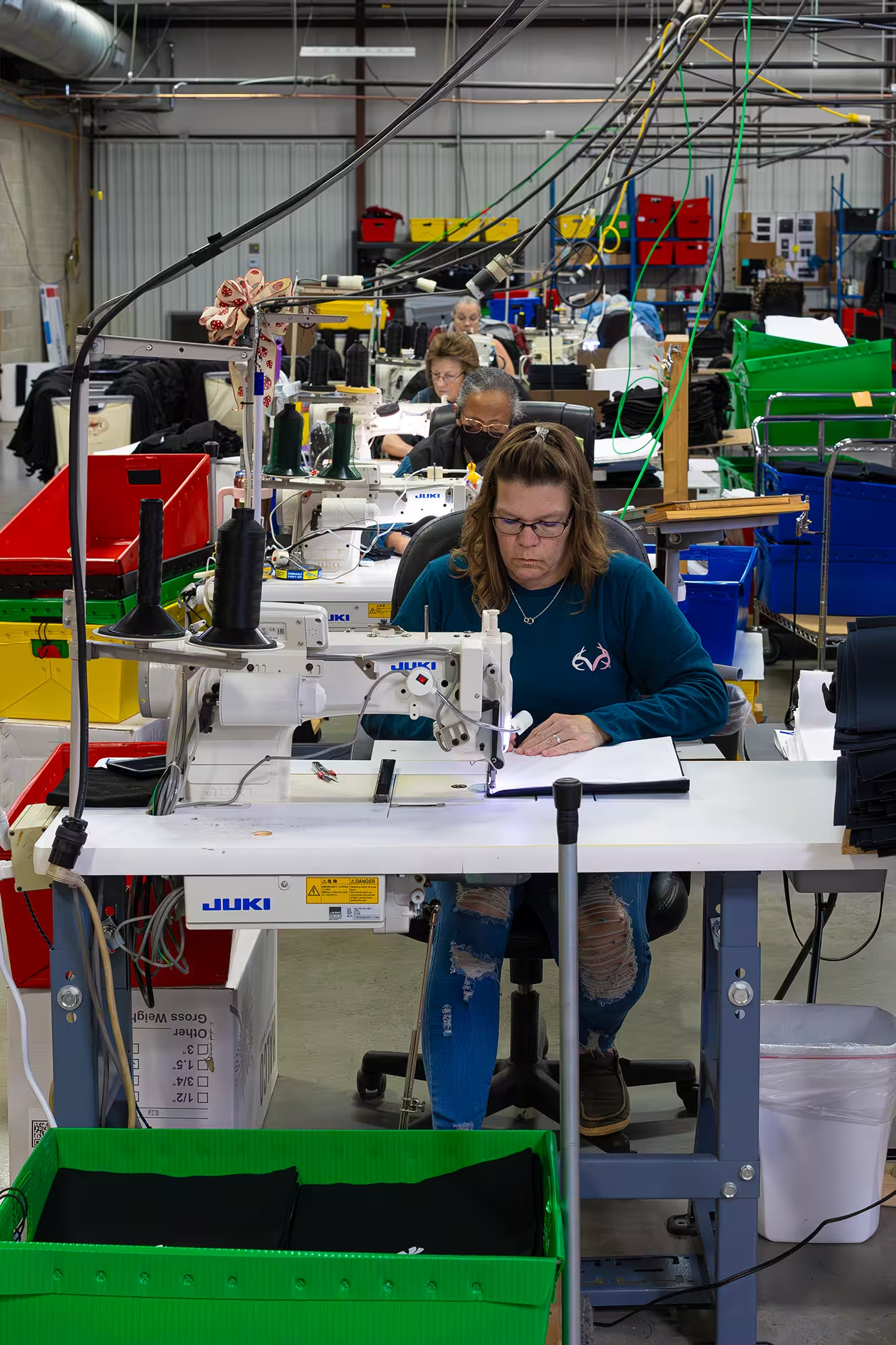
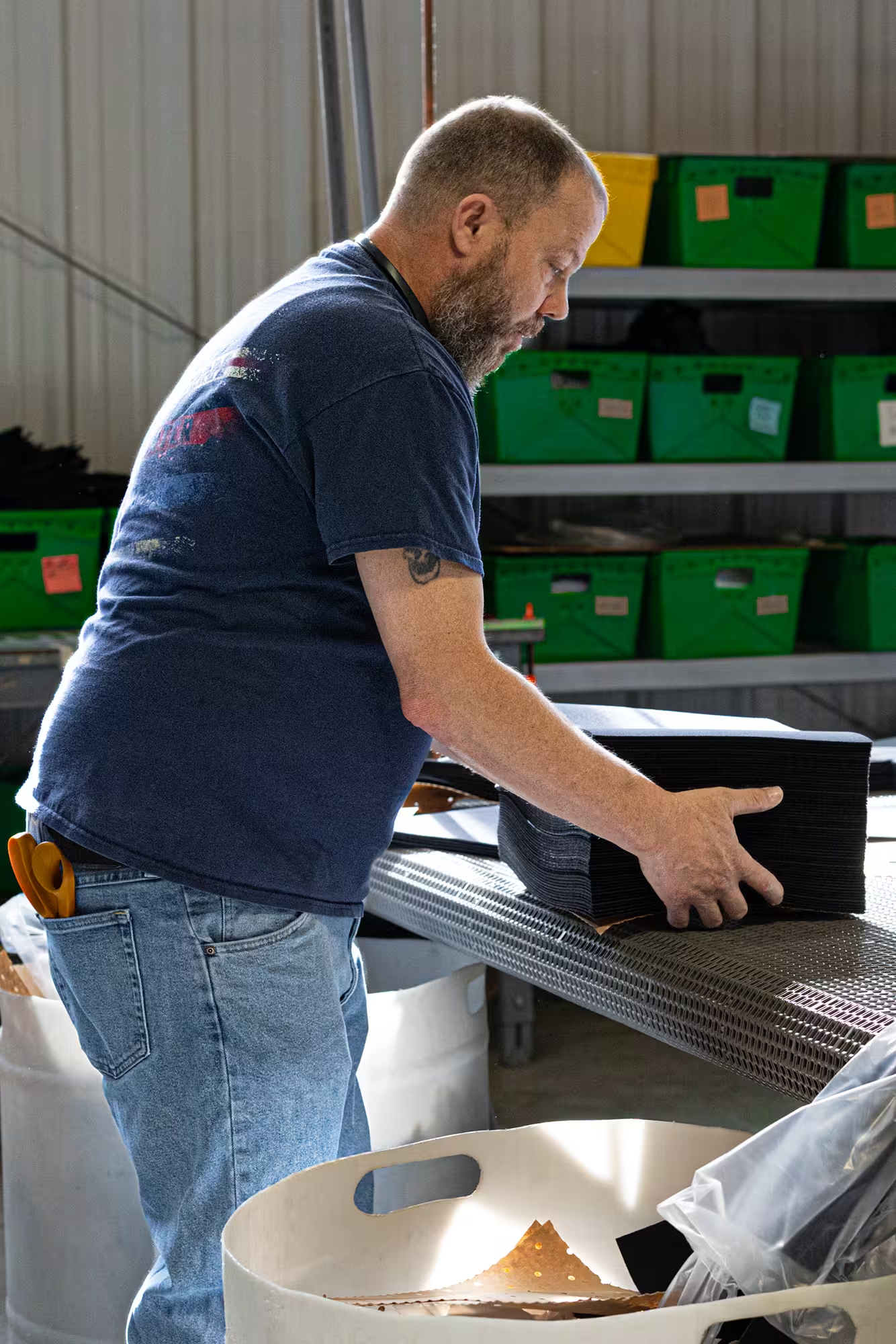
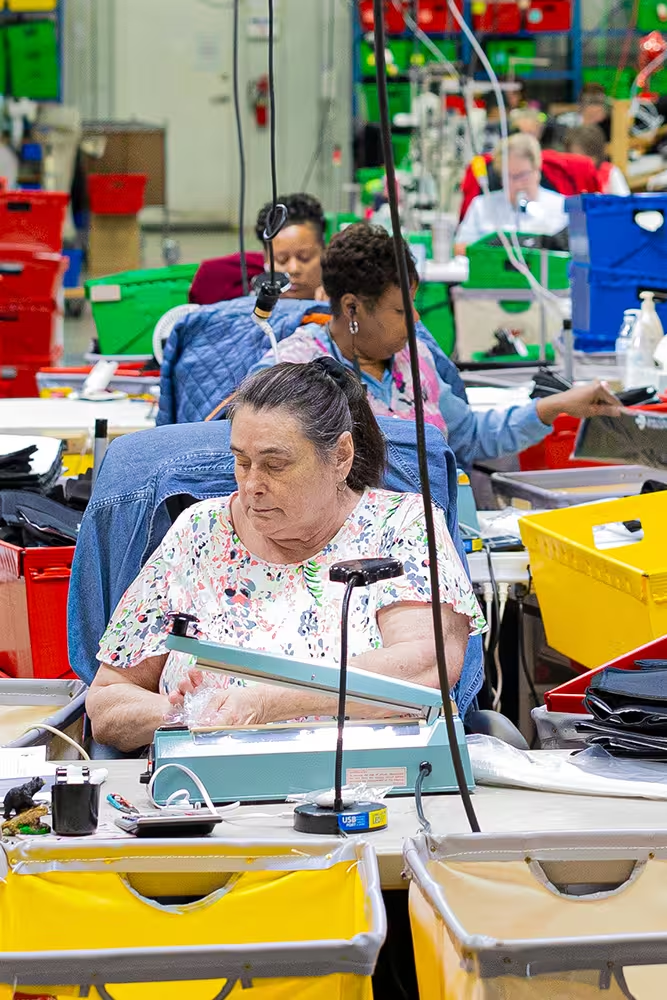
Every wrap described above is cut, knit, and sewn at our own facility rather than outsourced, which is part of how we keep quality consistent across the whole product line. The production floor, shown here, is where raw material becomes finished wraps, and a wider view of the facility gives a sense of the full scale of operations. A closer look at one of the production stations and another view further down the line show the process in stages, and a final view of the finishing area completes the tour.
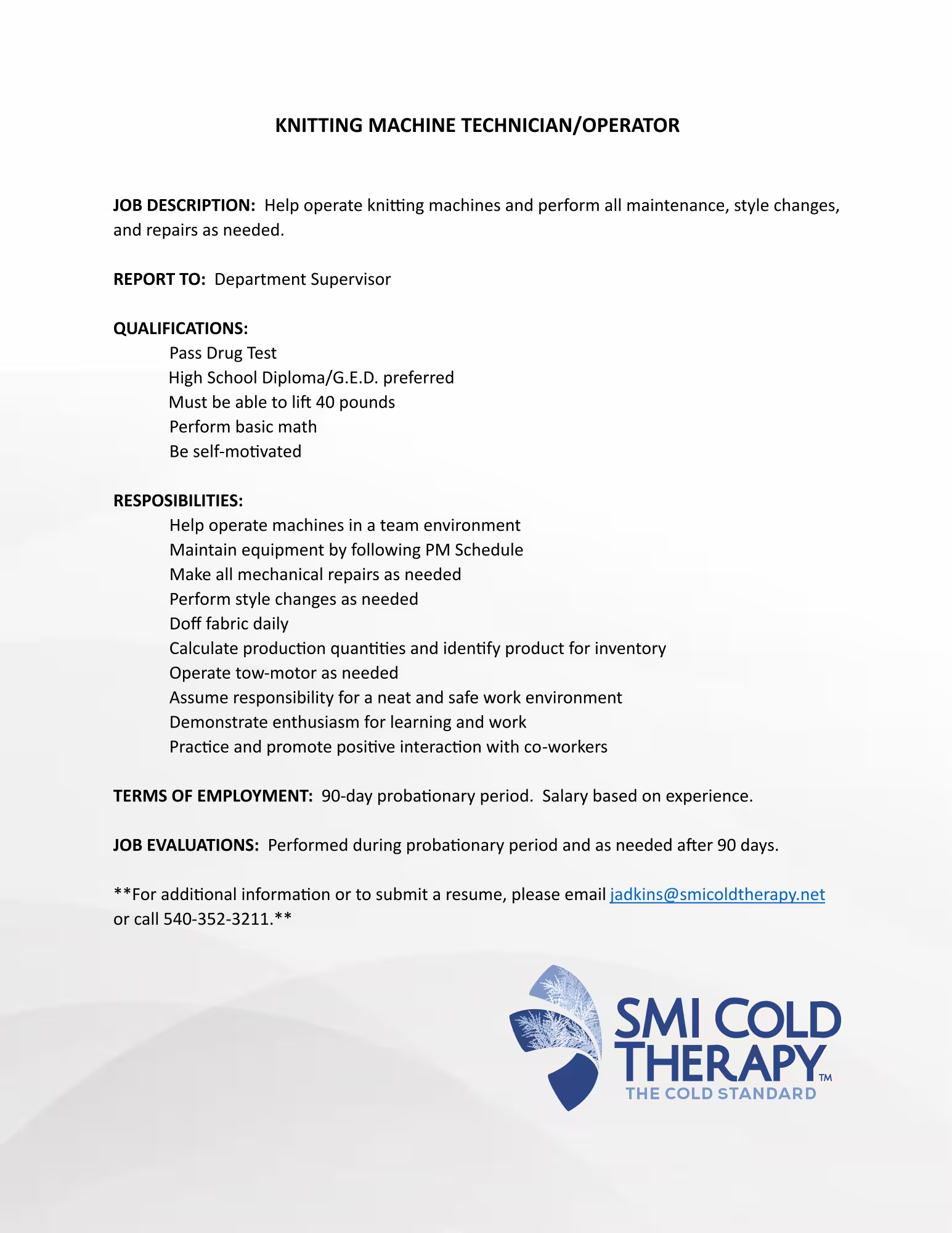
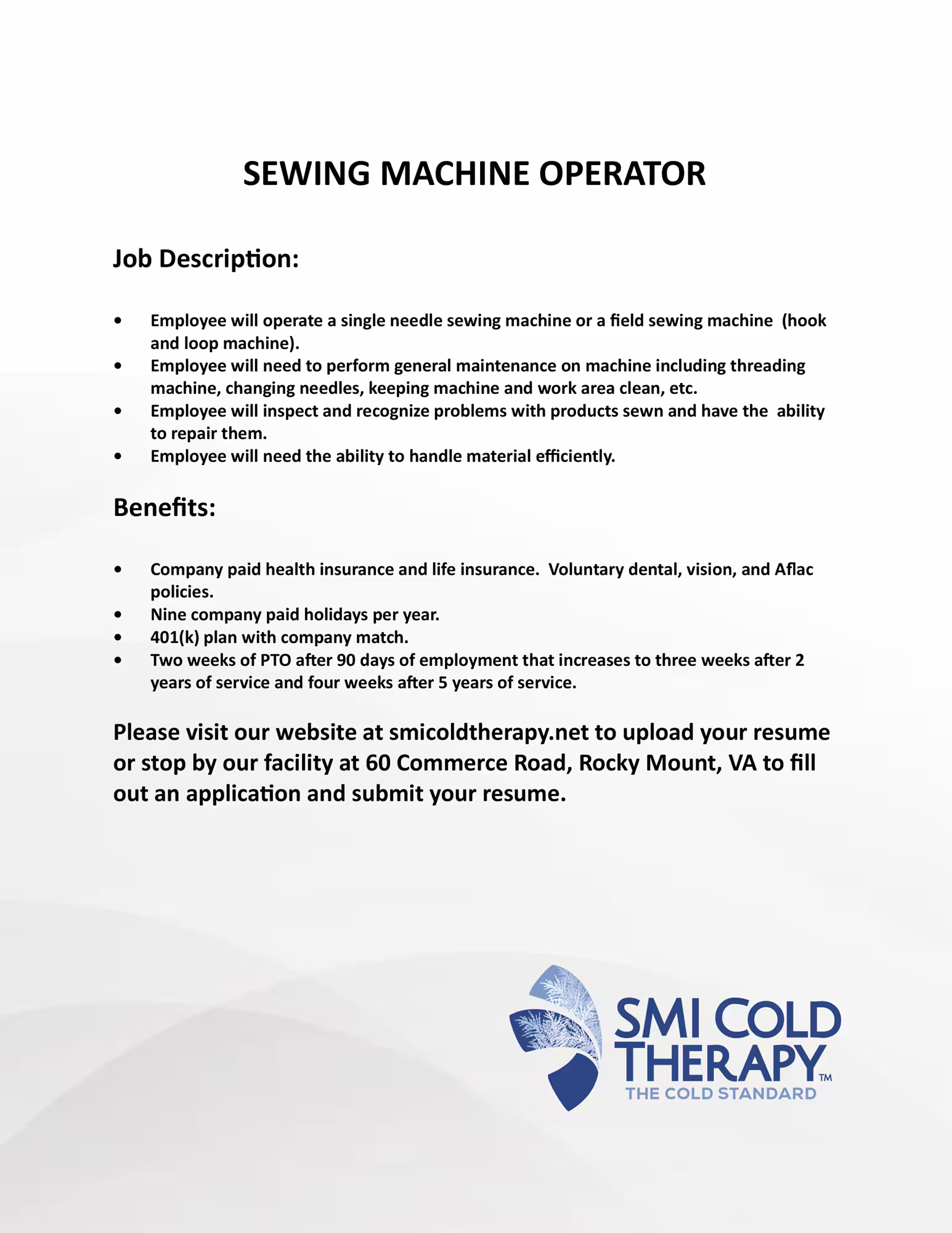
Because we manufacture in-house, our production team is always core to what we do, and we’re regularly hiring for it. Current openings include a knitting machine technician role and a sewing machine operator position, both based at the facility shown above. On the sales side, we’re also looking to fill a territory manager role covering the Southeast, working directly with clinics and infusion centers to get these wraps into more patients’ hands.
From the science of how controlled cold exposure aids recovery, through every wrap style we manufacture, to the gel bag system and clinical support behind them, SMI’s cold therapy line is built around one goal: making consistent, well-timed cold compression easy for both clinicians and patients. Whichever wrap fits a patient’s treatment area, the same reusable gel bag system, in-house manufacturing standards, and clinical support apply across the board.