Hip replacement can end years of pain and get you moving again, but surgery is only the first step. The weeks of recovery that follow are what rebuild your strength and mobility. Knowing what each stage usually looks like makes the process feel far less daunting, and you can prepare for it properly.
Every recovery is different, and your surgeon’s plan comes first. What follows is a general look at what most people experience after a total hip replacement, plus the things that tend to help.
A little preparation before surgery pays off later. Set up a recovery area on the main floor so you can avoid stairs at first, stock some easy meals, and clear away rugs and cords you could trip on. A grabber, a raised toilet seat, and a walker are worth having on hand. Have cold therapy ready for the day you get home too, since swelling starts almost immediately.
The first week is the hardest. Pain and swelling are at their highest, and you will lean on a walker and the pain plan your surgical team set up. Most people take their first assisted steps within hours of surgery. Early movement lowers the risk of blood clots and begins rebuilding strength, so your team will have you up sooner than you might expect.
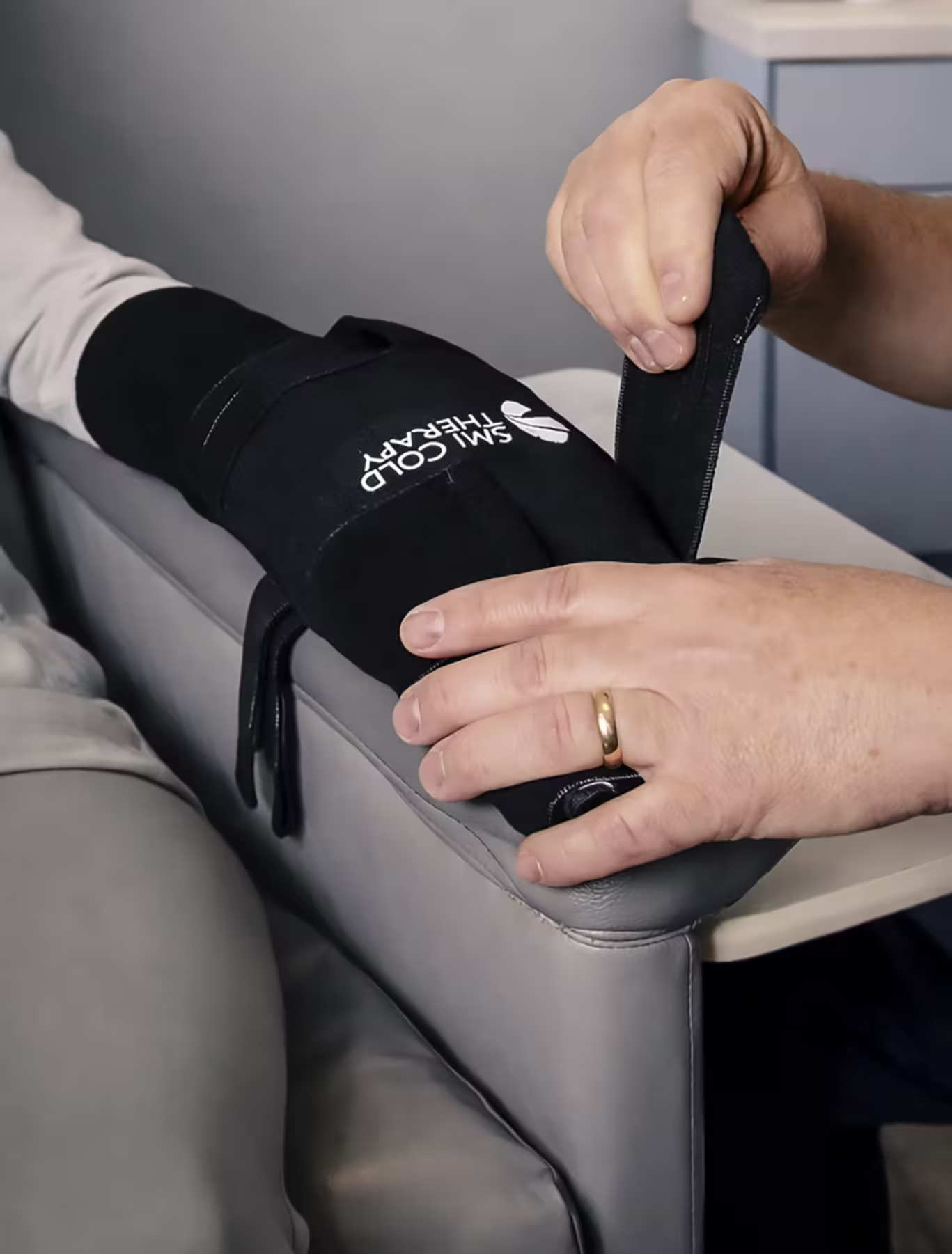
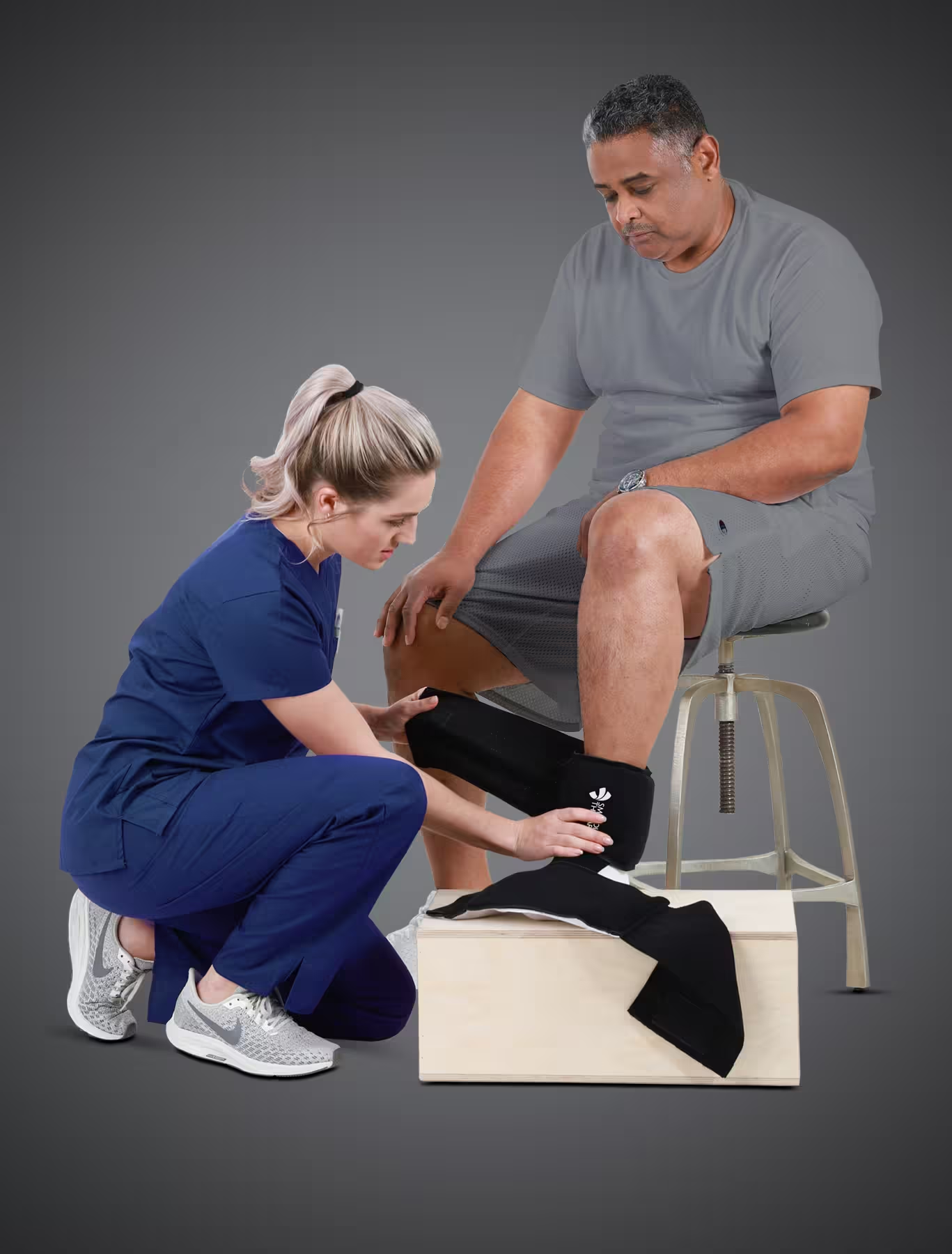
Swelling dominates this week. Cold therapy helps most right here, easing the swelling and dulling pain enough to rest and move more comfortably. An SMI Hip Wrap holds cold against the joint for hours and adds compression to keep fluid from building. A physical therapist will usually come to your home and start you on gentle movements.
By weeks two and three, most people start to feel better. The sharp pain backs off, and many trade the walker for a cane as their balance and strength come back. There is still some swelling, so keep using cold therapy after you have been active or finished a therapy session.
Your hip precautions are most important now. Depending on whether you had an anterior or posterior approach, your surgeon may tell you to avoid certain movements, like bending the hip too far or crossing your legs, while the joint heals. Follow those instructions even on the days you feel good.
Daily life starts to feel manageable. Many people are walking without an aid, sleeping better, and handling more of their own routine. Physical therapy picks up, with exercises that rebuild the muscles around the hip and bring back your range of motion.
Common milestones in this window include:
How fast you reach these depends on your own progress and your surgeon’s approval.
This is when you return to the things you missed. Most people are walking freely, back at work, and easing into hobbies and light activity. Therapy keeps going, usually with more focus on strength, endurance, and the specific movements your life calls for. Some swelling after a long day is normal, and cold therapy still helps when the joint feels tired or puffy.
The surgical approach makes a difference here. Anterior hip replacement often allows a quicker return to some movements because it spares muscle, while a posterior approach may carry precautions that last a bit longer. Your surgeon will tell you where you stand.
Most people feel mostly recovered by three months, though full strength can take six months to a year. You will keep gaining range of motion and endurance long after daily life feels normal again. Higher-impact activities come back slowly, and only once your surgeon signs off.
Stay consistent with physical therapy, since the effort you put in shows up directly in your strength and mobility. Keep swelling down with cold therapy, elevation, and rest. Respect your hip precautions for as long as your surgeon says. Move a little each day without pushing too hard, and call your care team whenever something feels wrong.
Recovery from a hip replacement takes patience and steady care of the joint while it heals, and keeping swelling down in those first weeks makes the stages that follow easier.
The SMI Hip Wrap brings hospital-grade cold therapy home, with hours of steady cold and built-in compression made for the hip. Keep it ready for the day you come home from surgery.
Most people manage daily activities within four to six weeks and feel largely recovered by three months, though full strength can take six months to a year. Your pace depends on your health, your surgical approach, and how closely you follow your plan.
Cold therapy, elevation, and rest are the main tools, especially in the first weeks when swelling peaks. A cold compression wrap holds steady cold against the joint and limits fluid buildup. Ask your surgeon how long and how often to use it.
Most people take assisted steps within hours of surgery, move to a cane around weeks two to three, and walk without an aid around weeks four to six. Physical therapy drives much of that progress.
Usually once you are off strong pain medication and can move and react safely, often around four to six weeks, though it varies by approach and by which leg was operated on. Get your surgeon’s clearance first.
They are movement limits that protect the new joint while it heals, such as avoiding deep bending or crossing your legs. How long they last depends on whether you had an anterior or posterior approach, so follow your surgeon’s guidance.
Yes, and it is a common part of recovery for controlling pain and swelling. Keep a barrier between the wrap and bare skin, take breaks between sessions, and follow your surgical team’s instructions.
Back pain has a way of touching everything you do, from standing at the sink to getting a decent night of sleep. A good back wrap is one of the easiest ways to take the edge off, whether you are recovering from surgery, nursing a strain, or dealing with a flare-up that will not quit. The hard part is sorting out which wrap actually earns a spot in your routine, since they are not all built the same.
Here is what separates a back wrap worth using from one that ends up in a drawer.
A back wrap delivers targeted relief to the lower or mid back, usually through cold, compression, or both. Cold calms the inflammation and pain behind most back trouble, and compression holds that cold against the area while supporting the muscles around your spine. Together they ease the ache and help bring down swelling, which is exactly what a sore or healing back needs.
The best wraps also stay put. Your back moves every time you shift, stand, or reach, so a wrap that slides out of place the moment you get up is not doing much for you.
A few features separate a wrap that helps from one that frustrates you. Keep these in mind.
Match a wrap against that list and the weak options fall away fast.
Many wraps offer both, so the question comes down to what your back needs that day. Reach for a cold wrap on a fresh injury, a new flare, or recovery from back surgery, since cold brings down swelling and numbs sharp pain. A heat setting suits an old, stiff back that needs its muscles loosened. For the swollen, painful early days, a cold wrap is almost always where you start.
People mix these up, and they do different jobs. A back brace is about structure and support, holding your spine and posture steady through the day. A back wrap is about relief, delivering cold and compression to calm pain and swelling. One props you up, the other treats what hurts.
For surgical recovery, a sprain, or an inflamed lower back, a wrap is usually what you are after. Some people use both, leaning on a brace for support and a wrap for the pain, and that pairing works fine.
Good habits get you more out of any wrap. Apply cold early, since the first couple of days after an injury or surgery are when swelling and pain run highest. Keep sessions reasonable and take breaks so the skin can return to normal temperature between rounds. Use the straps to set the compression where it feels supportive without pinching, and keep a layer between the gel and bare skin during longer applications. For back surgery or a serious injury, let your surgeon’s guidance set how long and how often you wear it.
The SMI Back Wrap checks the boxes that actually matter when your back hurts. Its gel bags stay cold for 3+ hours, so you are not running to the freezer every fifteen minutes, and a second set comes with it to swap in when the first warms up. The wide straps press the cold into the muscle and keep the wrap from sliding when you stand or shift, and a barrier layer protects your skin during longer sessions.
Hospitals use this same cold therapy with their own patients, including people recovering from spinal fusion and other back surgeries. It works just as well for a strain or the lower back pain that nags you through the day. There is no machine to set up and no cords to trip over. You freeze the gel bags, strap it on, and get back to what you were doing.
The best back wrap is the one that delivers lasting cold, real compression, and a fit that moves with you, and the SMI Back Wrap checks all three. It brings hospital-grade cold therapy home for surgical recovery, strains, and the lower back pain that gets in the way of ordinary life.
Take a look at the SMI Back Wrap and give your back the kind of relief it has been asking for.
A cold compression wrap is the strongest all-around choice, since it pairs pain-calming cold with compression that holds everything in place. Look for long-lasting cold, adjustable straps, and a fit that stays put while you move.
Cold is better for a fresh injury, a new flare, or post-surgical pain, because it reduces swelling and numbs pain. Heat helps more with old, chronic stiffness. Many people use cold first, then heat later in recovery.
Keep sessions moderate and take breaks in between so your skin can warm back up. A wrap that holds a steady, safe temperature can stay on longer than a melting ice pack, but always protect the skin and follow your surgeon’s guidance after a procedure.
Yes, and cold therapy is a common part of recovery from procedures like spinal fusion. It helps control the swelling and pain that peak in the early days. Follow the specific plan your surgical team gives you.
No. A brace supports your spine and posture, while a wrap delivers cold and compression to relieve pain and swelling. They solve different problems, and some people use both.
It can ease the inflammation and muscle tension that often come with sciatica pain, which brings some relief. For ongoing or worsening sciatica, check with your doctor about the underlying cause.
Swelling is one of the first things you notice after surgery, and one of the most uncomfortable. It makes the area feel tight and tender, it limits how well you can move, and it can slow the whole recovery down. Cold therapy is one of the simplest, most reliable ways to keep that swelling under control, and understanding how it works helps you get more out of it during the days that matter most.
Swelling is not a malfunction. It is your body’s natural response to the controlled injury of surgery. When tissue is cut and repaired, blood vessels widen, and fluid rushes to the area to begin healing.
Some of that response is helpful, but too much leaves fluid pooling in the tissue, causing the puffiness and tightness you feel. That excess fluid, called edema, presses on nerves and surrounding tissue, which is why post-surgical swelling brings pain and stiffness.
Cold works against swelling from the moment it reaches the skin. It causes the blood vessels near the surgical site to narrow, a response called vasoconstriction. With those vessels tightened, less blood and fluid flow into the area, so there is less to pool in the first place.
Cold does more than slow the inflow. It also calms the inflammatory response that fuels swelling and lowers the metabolic demand of the healing tissue, which limits secondary damage and the fluid that comes with it. Less inflow, less inflammation, and less fluid buildup add up to a visible drop in swelling, a pattern clinical studies have tied to less post-op pain and a lower need for medication.
Lower swelling does more than make the area look better. It changes how the rest of your recovery feels.
Each of these feeds the next, which is why reducing swelling after surgery is one of the most effective things you can do for a faster, more comfortable recovery. That holds especially true after orthopedic surgery and joint replacement, where swelling tends to run high.
A few habits and knowing how to use cold therapy make the process more effective against swelling. Start early, since the first 48 to 72 hours after surgery are when swelling peaks and cold does its most valuable work. Keep it consistent rather than occasional, because steady cold holds swelling down better than a quick session here and there. Pair it with gentle elevation when you can, which lets gravity help drain fluid away from the site.
How you deliver the cold matters too. A melting ice pack warms fast and loses its effect, while a wrap that holds a steady temperature and adds compression keeps the cold where it counts and squeezes out the space where fluid collects. Above all, follow your surgeon’s guidance on how long and how often to use it, and keep a barrier between the cold and bare skin.
Bruising and swelling travel together, since both come from fluid and blood escaping into the tissue after surgery. By narrowing the vessels and limiting that escape, cold therapy can help keep bruising to a minimum right alongside the swelling. The discoloration still takes its own time to fade, but less pooling early on often means less of it to begin with.
The less swelling you carry in the first days after surgery, the easier the rest of recovery becomes. SMI Cold Therapy wraps hold a steady cold for hours and press it in with built-in compression, so fluid has less room to gather, and you have less pain and stiffness to work through.
Check out the cold therapy wraps built for post-surgical recovery, and give swelling less room to slow you down.
Cold narrows the blood vessels near the surgical site, so less blood and fluid flow in to pool there. It also calms inflammation and slows the tissue’s metabolic demand, which together bring visible swelling down.
It’s typically most beneficial in the first 48 to 72 hours, when swelling peaks, then tapers over the following days and weeks. Your surgeon sets the exact schedule for your procedure, so follow their plan.
As early as your surgical team clears you to, since the sooner you control swelling, the less it builds. Many patients begin cold therapy right away in recovery.
Yes, it can. The same vessel narrowing that limits swelling also reduces the blood that pools to form bruises, so early, consistent cold often means less bruising.
Cold alone helps, and cold with compression helps more. Compression drives the cold deeper and limits where fluid can collect, which is why many post-op wraps combine the two.
Yes, and it is one of the easiest recovery tools to keep up at home. A wrap that holds its cold for hours makes steady use simple. Follow the guidelines your surgeon provides.
When you ice an injury, you are only getting part of the benefit. Cold calms pain and swelling, but on its own it sits on the surface and warms up within minutes.
Add compression and that changes. The pressure pushes the cold deeper and holds swelling back at the same time, so the two together do far more than ice alone. That pairing is cold compression therapy, and it is why you find it in hospitals, training rooms, and on the sidelines.
Each half of the pairing brings something different to a recovery.
Cold slows blood flow to the area, which calms swelling, quiets inflammation, and numbs pain. It is the reason an ice pack feels so good on a fresh injury.
Compression adds steady pressure, which limits the room where fluid can pool and supports the vessels that drain it away. It keeps swelling from settling in and holds everything snug and supported.
On their own, each one helps. The catch is that each also leaves a gap the other happens to fill.
Put cold and compression together, and each one covers for the other’s weak spot. Cold on its own tends to sit on the surface, and a loose ice pack warms up and slides out of place. Compression solves that by pressing the cold deeper into the joint and holding it exactly where it belongs, so more of the cold actually reaches the tissue that needs it.
Compression has its own blind spot too. Pressure manages fluid, but it does nothing to numb pain or slow the inflammatory response. Cold handles both of those. Used together, you get deeper, steadier cold and firmer control over swelling at the same time, which is why combining cold and compression for recovery consistently beats either one used alone.
Traditional icing means a bag of ice or a gel pack held against the skin, and it comes with real limits. It warms up quickly, so you are refilling or swapping it every fifteen to twenty minutes. It drips as it melts. And with no pressure behind it, the cold stays shallow while swelling builds underneath.
Cold compression therapy fixes each of those problems. A quality wrap holds its cold far longer, stays dry, and uses pressure to push the cold where it counts. For anything more than a minor, short-lived ache, that difference adds up to better relief with a lot less hassle.
The combination shines anywhere swelling and pain show up together. It has become a staple in several situations.
From the operating room to the training room, the same two forces do the work, which is why athletes and surgical patients reach for the same kind of wrap.
Not every cold compression device delivers the same experience. The ones worth using hold a steady, safe temperature for hours rather than minutes, wrap snugly enough to apply real pressure without pinching, and let you move around instead of staying tethered to a machine. Good design is what turns the science into something you will actually keep using through recovery.
Cold eases the pain, compression controls the swelling, and together they get you back to feeling like yourself sooner. SMI Cold Therapy builds both into one wrap that holds its cold for hours and keeps you moving while you heal, with no machine, no melting ice, and no mess.
See how SMI pairs cold and compression, then browse the cold compression wraps built for real recovery.
It is a treatment that combines cold and steady pressure in one step. The cold eases pain and swelling while the compression drives it deeper and keeps fluid from pooling, so the two act as a single, more effective tool.
Ice alone sits on the surface, warms fast, and slides out of place. Adding compression holds the cold where it is needed and controls swelling at the same time, which gives you more relief from the same cold.
No, not at all. It helps with sports injuries, joint and muscle problems, and everyday swelling just as much as post-op recovery. Anywhere pain and swelling appear together is a good fit.
Cold slows the blood flow that feeds swelling, and compression limits the space where fluid can collect while supporting the vessels that drain it. Together, they keep edema from building and help clear what is already there.
That varies with your injury or procedure, and your doctor’s guidance comes first. Cold compression is usually most useful in the early days when swelling and pain peak. Protect your skin and take breaks between sessions.
After surgery, swelling shows up almost immediately, and it is one of the biggest reasons recovery feels slow and uncomfortable. Compression therapy is a simple, proven way to keep that swelling in check while your body heals. You have likely felt it before without giving it a name, from the snug wrap on a sprained ankle to the sleeve a nurse fits after an operation, and the gentle pressure it provides does real work during recovery.
Compression therapy applies steady, gentle pressure to an injured or post-surgical area, usually through a wrap, sleeve, or garment fitted to the spot that needs it. That pressure is doing more than holding things snug. It works directly against the swelling that follows almost any surgery or injury.
Two things happen underneath it. First, the pressure limits the space where fluid can collect, so swelling and edema have less room to build. Second, it supports the vessels that move blood and lymph fluid, which helps your body drain the excess instead of letting it pool. When fluid sits in the tissue, it presses on nerves and slows healing, so keeping it moving is a large part of why compression makes recovery more comfortable. Less standing fluid means less pain and a smoother path back to normal.
Surgery leaves tissue swollen, tender, and slow to drain on its own. Compression steps in to make that stretch easier in several ways.
Each of these points toward the same result: a recovery that feels more comfortable and moves along faster. That is why compression therapy after surgery has become a standard part of orthopedic recovery.
Compression works well on its own, and it works even better paired with cold. Cold slows blood flow to calm swelling and numb pain, while compression drives that cold deeper into the joint and holds down the space where fluid pools. Neither one reaches its full potential alone. A loose ice pack sits on the surface and slides out of place, and pressure without cold misses the pain-calming punch that cold therapy brings.
Combined, the two cover for each other. The compression keeps the cold pressed exactly where it is needed, which is part of why cold compression therapy after surgery outperforms a bag of ice, and it holds the wrap in place so you can move around instead of lying still. That is how SMI combines the two in a single wrap, and the pairing shows up in the research, with clinical studies tying cold compression to less swelling and a reduced need for pain medication after surgery.
Compression is not only for the operating room. Athletes lean on it to recover between training sessions and to manage the swelling of sprains and strains, and it helps with the everyday inflammation that comes from overuse or a minor injury. The principle stays the same wherever it shows up. Steady pressure keeps fluid moving and tissue supported, from a knee replacement to a hard week of workouts, which is why you find compression on the sidelines and in recovery rooms alike.
Good compression feels snug and supportive, like a firm, even hug around the area. It should never pinch, throb, or leave the spot numb. If a wrap or garment feels too tight, brings on tingling, or leaves the skin pale or discolored, loosen it and check with your care team, since compression that is too aggressive can do more harm than good.
How long and how often you wear it varies with your procedure, and your surgeon’s plan always comes first. In the early days after surgery, when swelling peaks, you will likely use it more, then ease off as you heal. When compression is paired with cold, keep a light barrier such as a cloth between the wrap and bare skin during longer sessions, and give the skin time to warm up between rounds.
Compression does quiet, steady work after surgery, and pairing it with cold makes both stronger. SMI Cold Therapy wraps deliver hours of cold and built-in compression in one easy step, so you get less swelling, more comfort, and the freedom to keep moving while you heal.
Check out the cold compression therapy wraps built for post-surgical recovery, and keep steady relief within reach for when you need it most.
What is compression therapy in simple terms? It is the use of steady, gentle pressure on an injured or post-surgical area to control swelling, support circulation, and ease pain. That pressure helps your body clear fluid and heal more comfortably.
It keeps swelling and edema from building, supports blood flow to the healing tissue, and reduces the pressure that causes pain. Less swelling generally means an easier, faster recovery.
They do different jobs, and they work best together. Ice calms swelling and numbs pain, while compression limits fluid buildup and drives the cold deeper. Cold compression therapy combines both in one step.
It varies with your procedure and your surgeon’s plan. Compression is usually most valuable in the early days when swelling peaks, then tapers as you heal. Follow the schedule your care team gives you.
Yes, it can. Gentle, graduated pressure supports the vessels that move blood and lymph fluid, which helps your body clear swelling and deliver what healing tissue needs.
For most people, it is, though certain circulatory conditions call for a doctor’s guidance first. Your surgeon or care team can confirm compression is right for your situation.
Cold compression has become a standard part of post-surgical and post-injury recovery protocols because it does two things at once: it slows local blood flow to limit swelling, and it dulls the nerve signaling that produces pain. SMI builds its entire wrap line around that principle, using reusable gel packs and body-contoured wraps that hold a consistent, even temperature far longer than a bag of ice ever could. For the clinical background on how controlled cold exposure affects tissue, circulation, and pain signaling in the days after a procedure, we put together a full breakdown of the science behind cryotherapy for post-operative care, which explains why timing and consistent contact matter as much as the cold itself. Everything below builds on that foundation: how each wrap is constructed, how it’s applied in a clinical setting, and how the gel bag system that powers all of them is prepared and used.
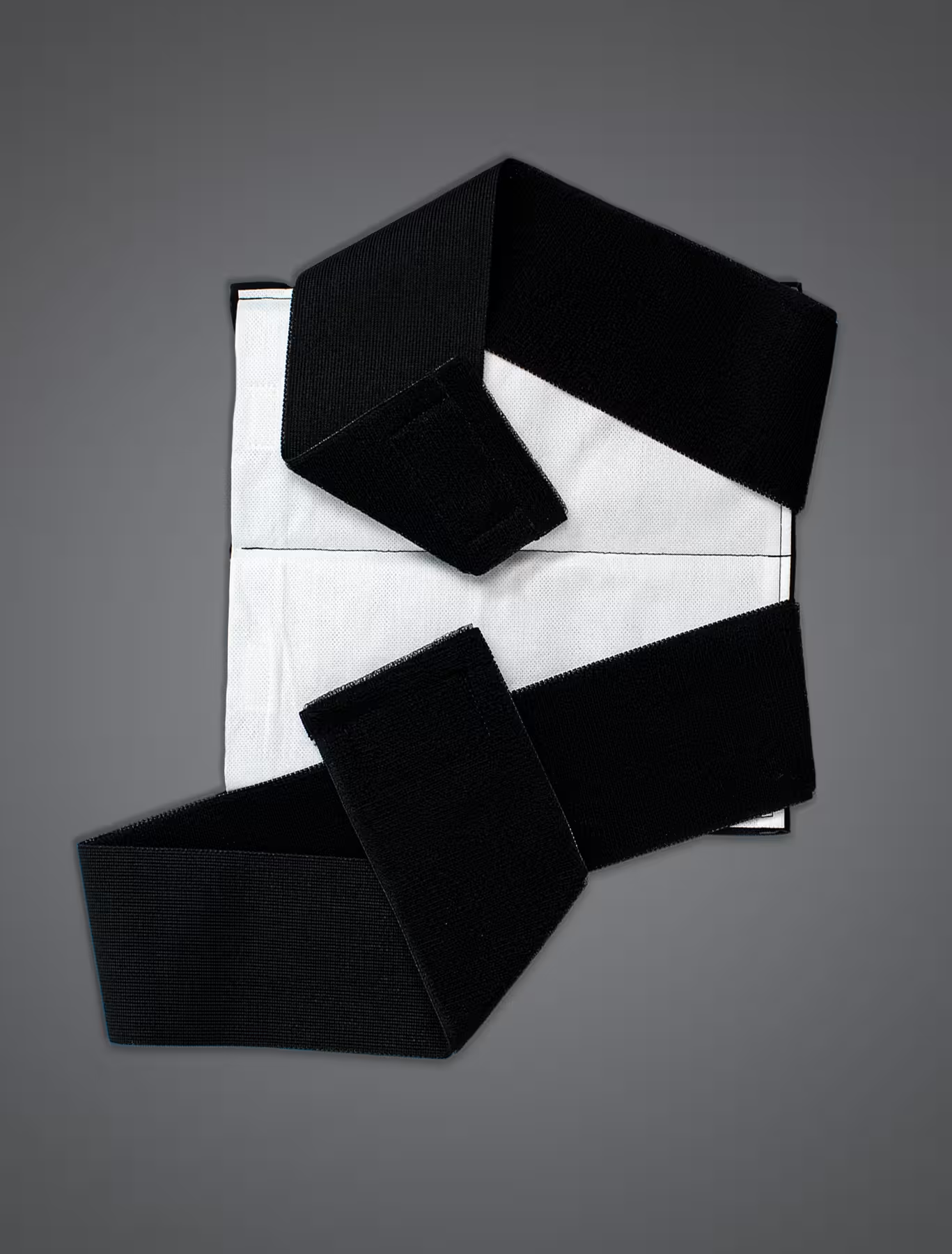
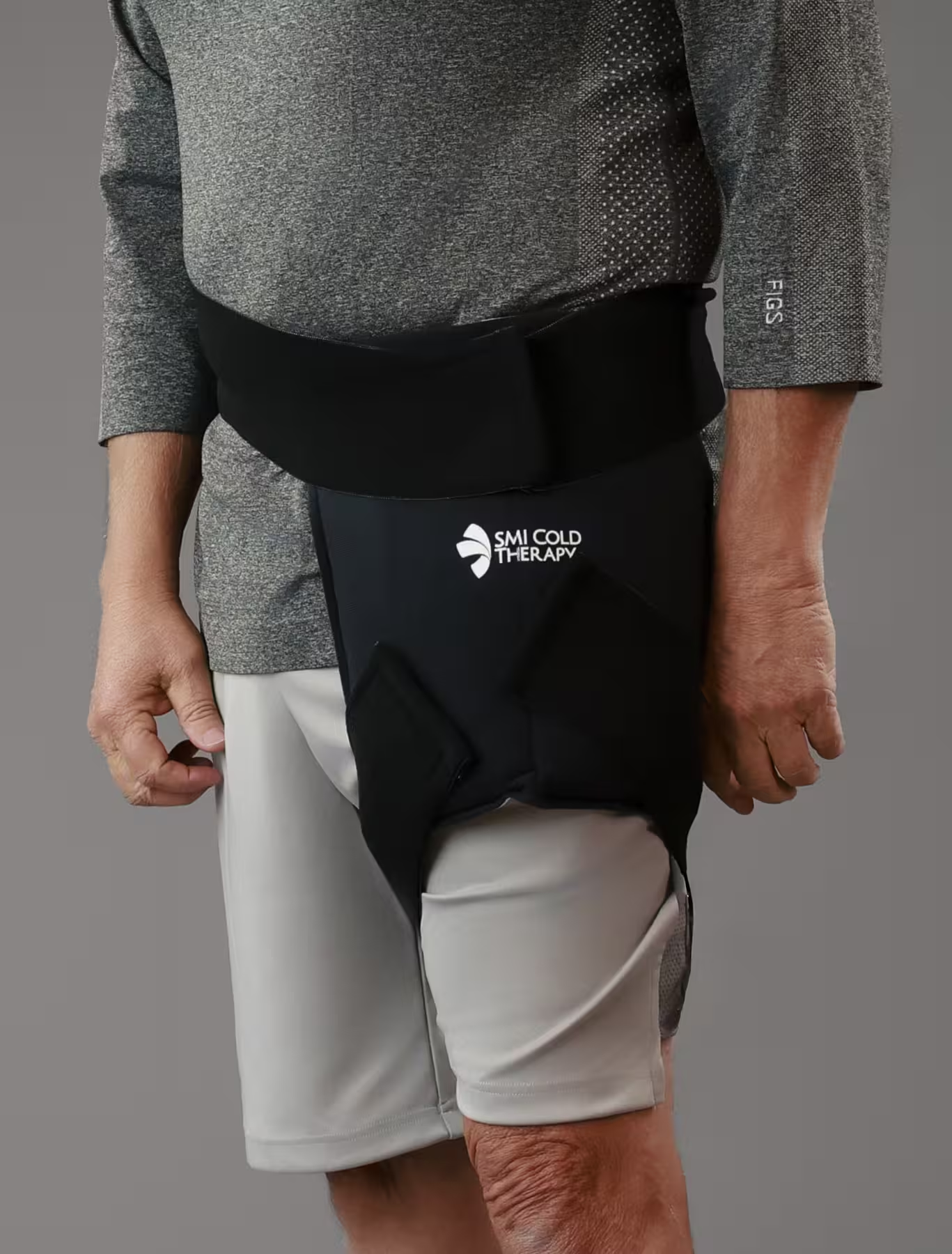
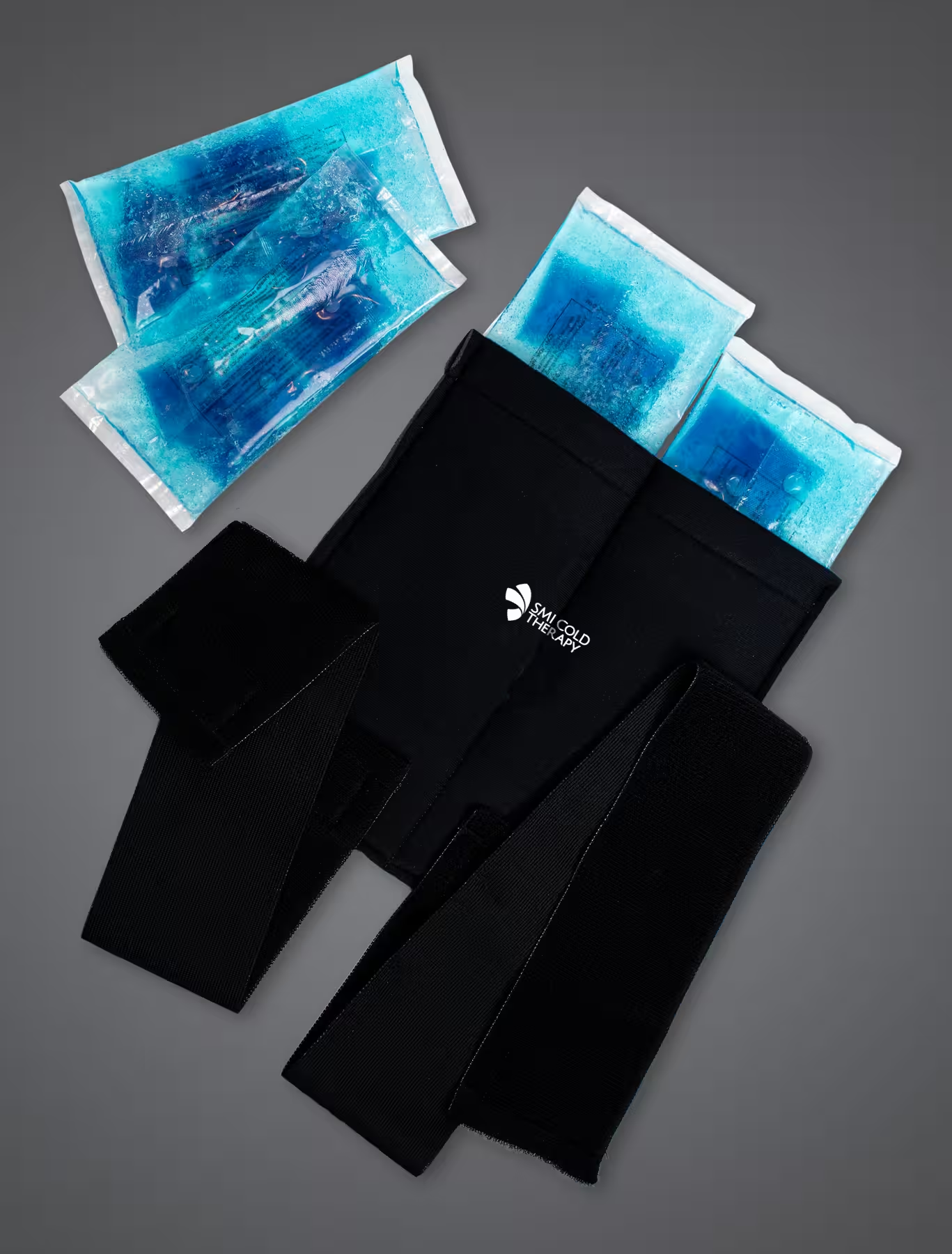
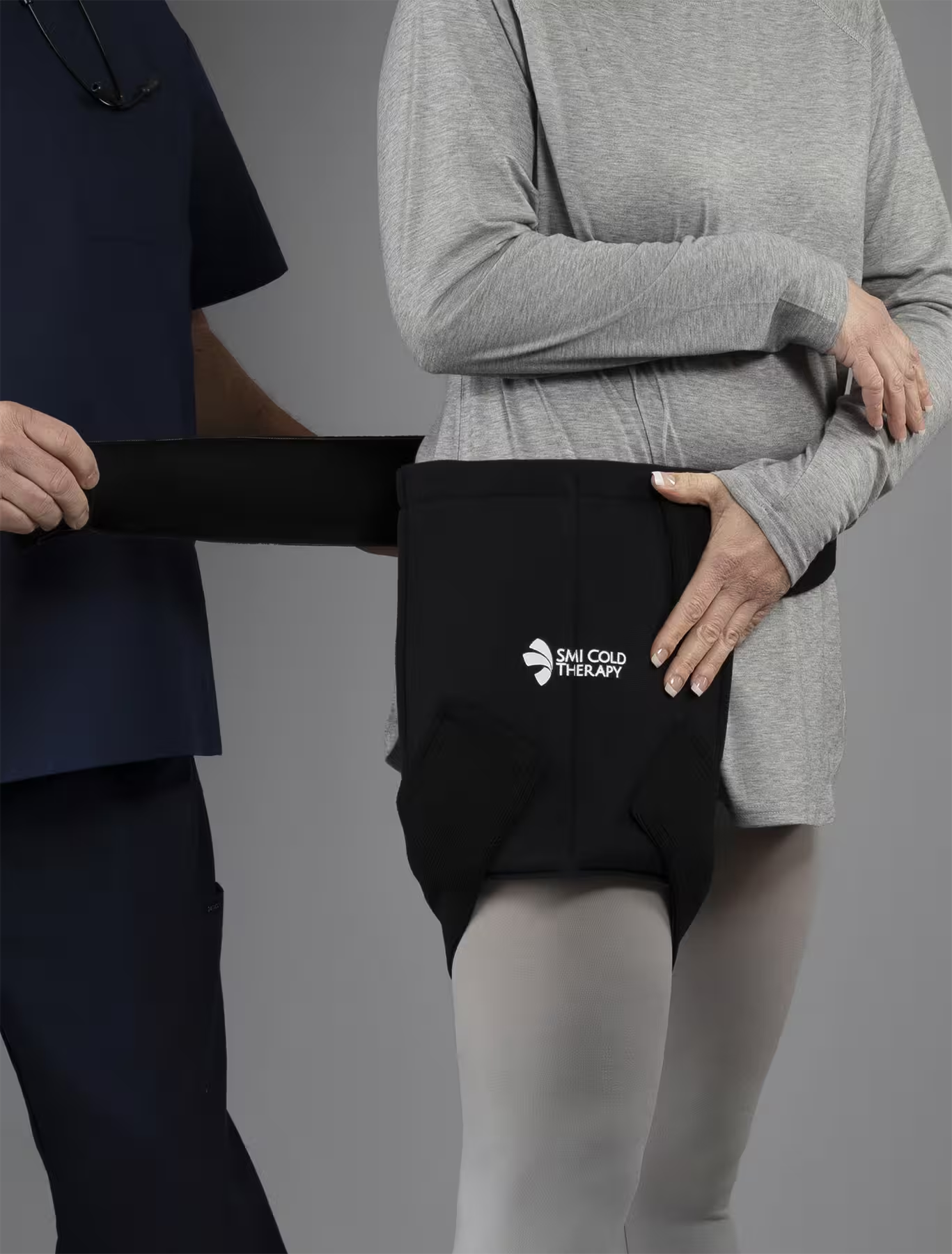
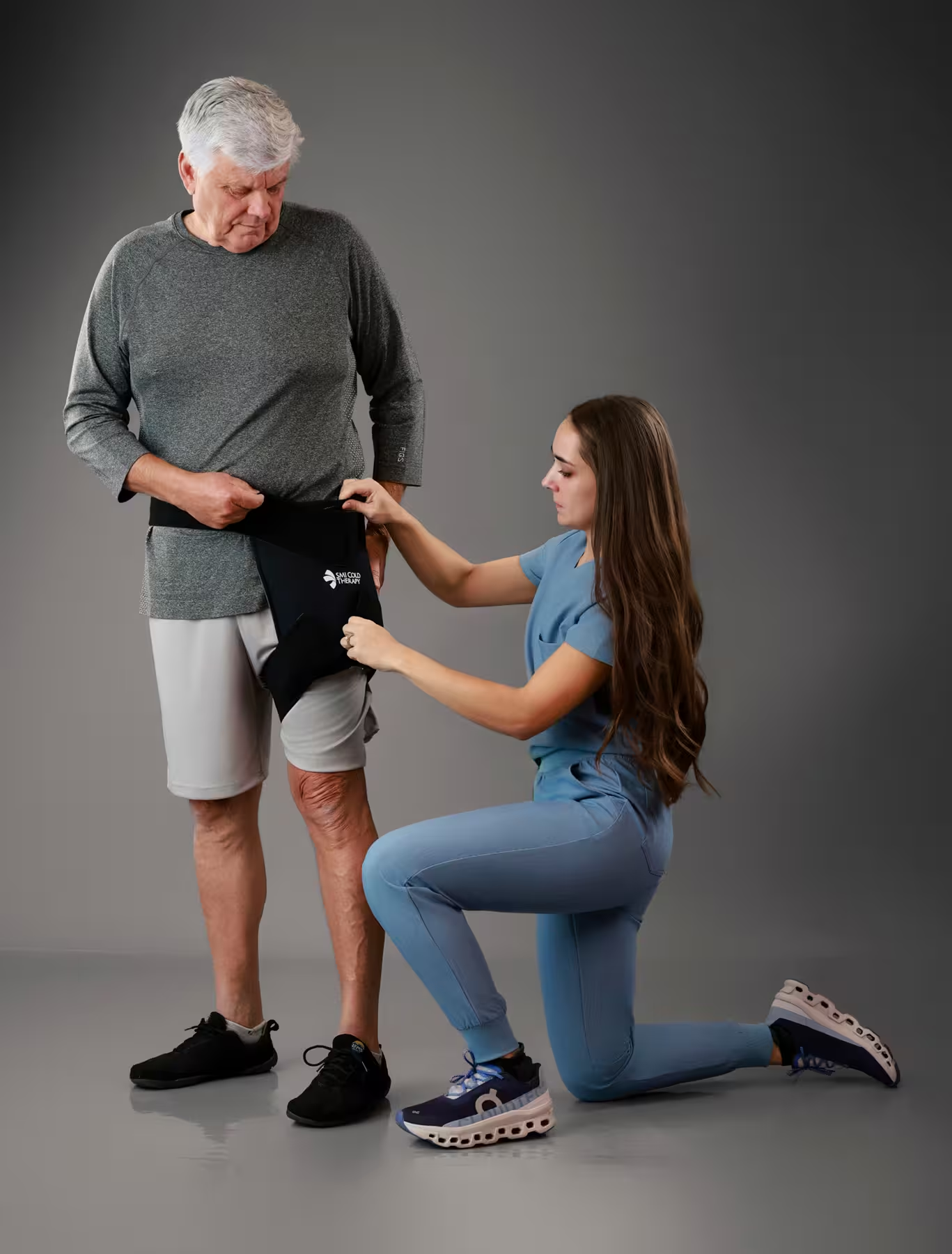
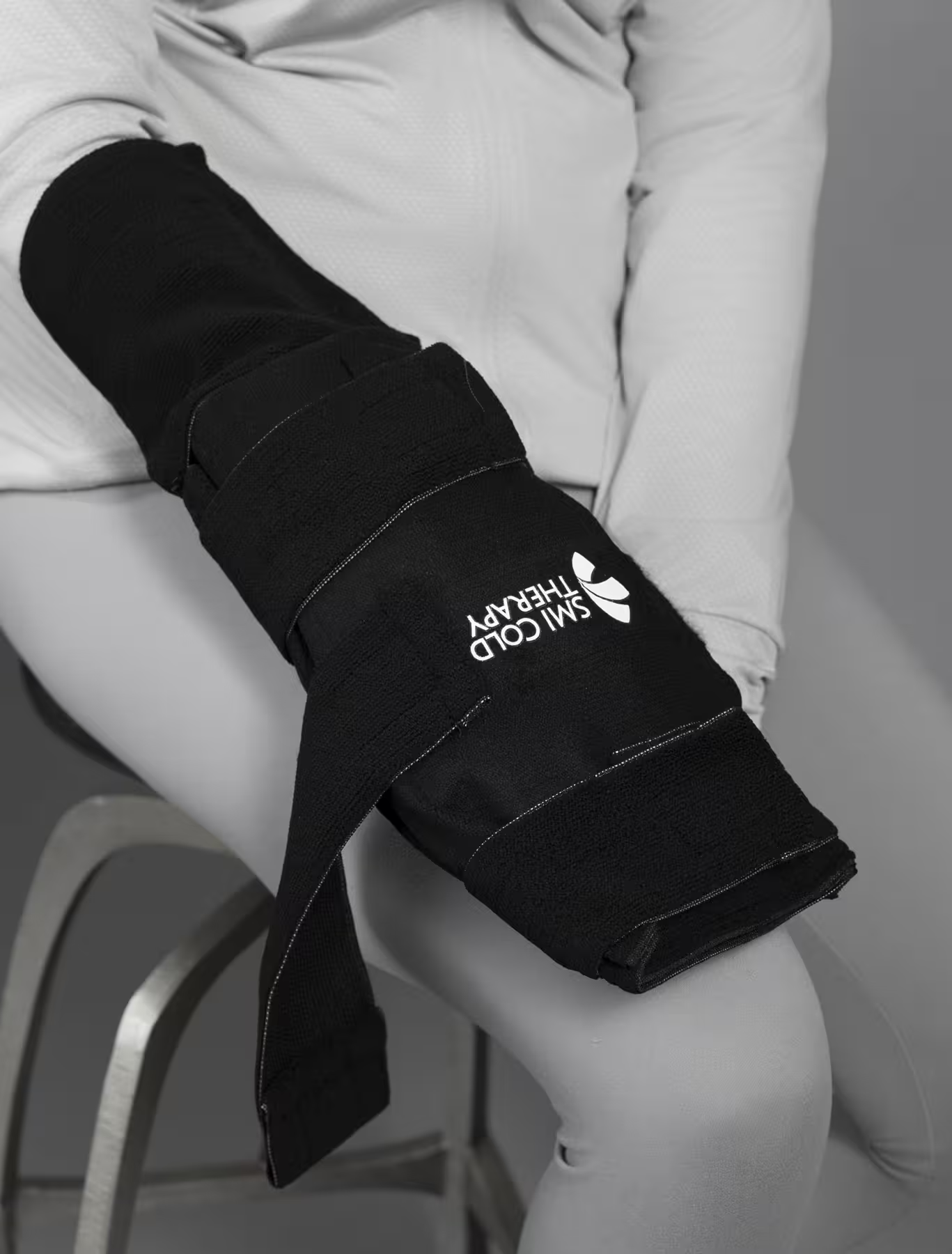
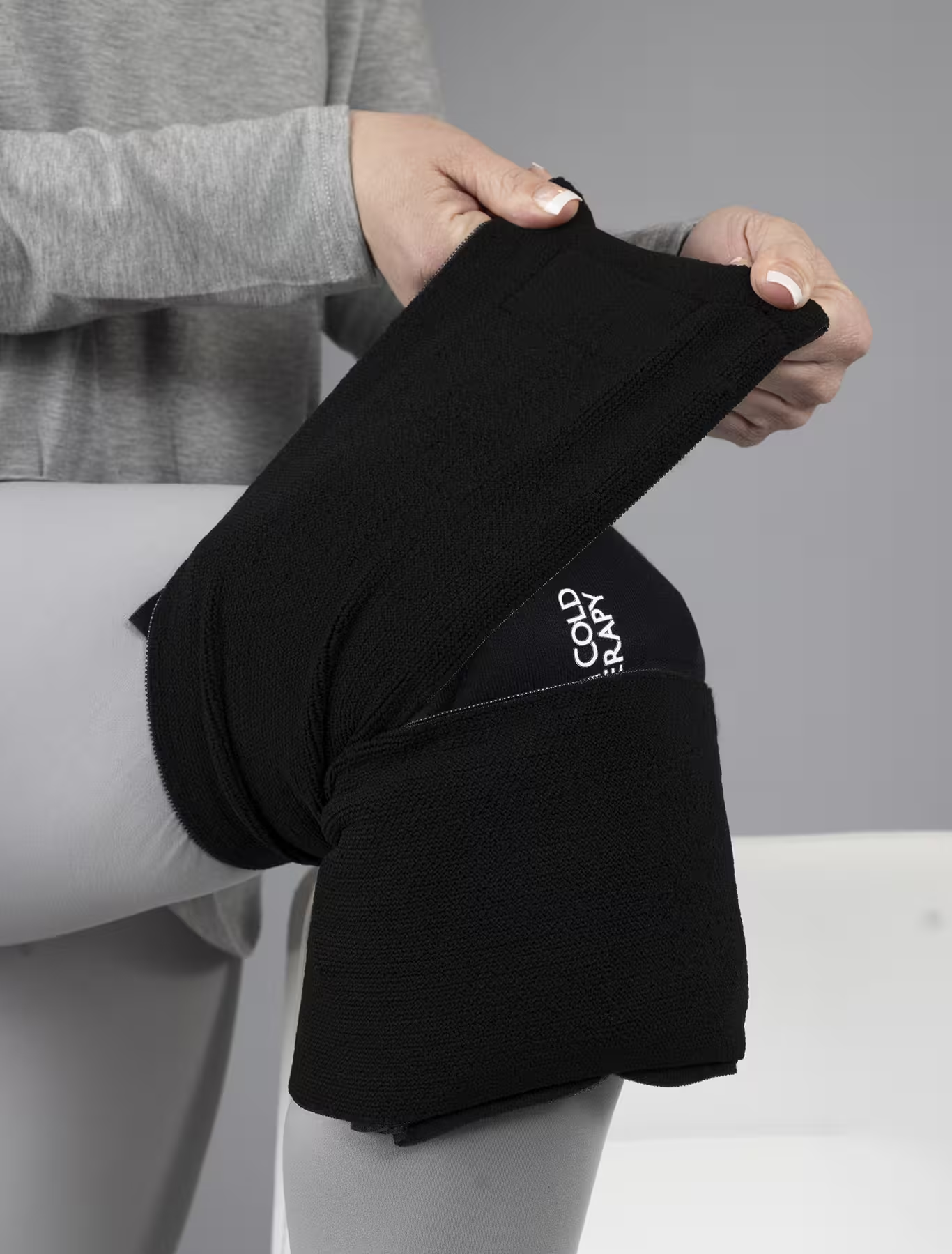
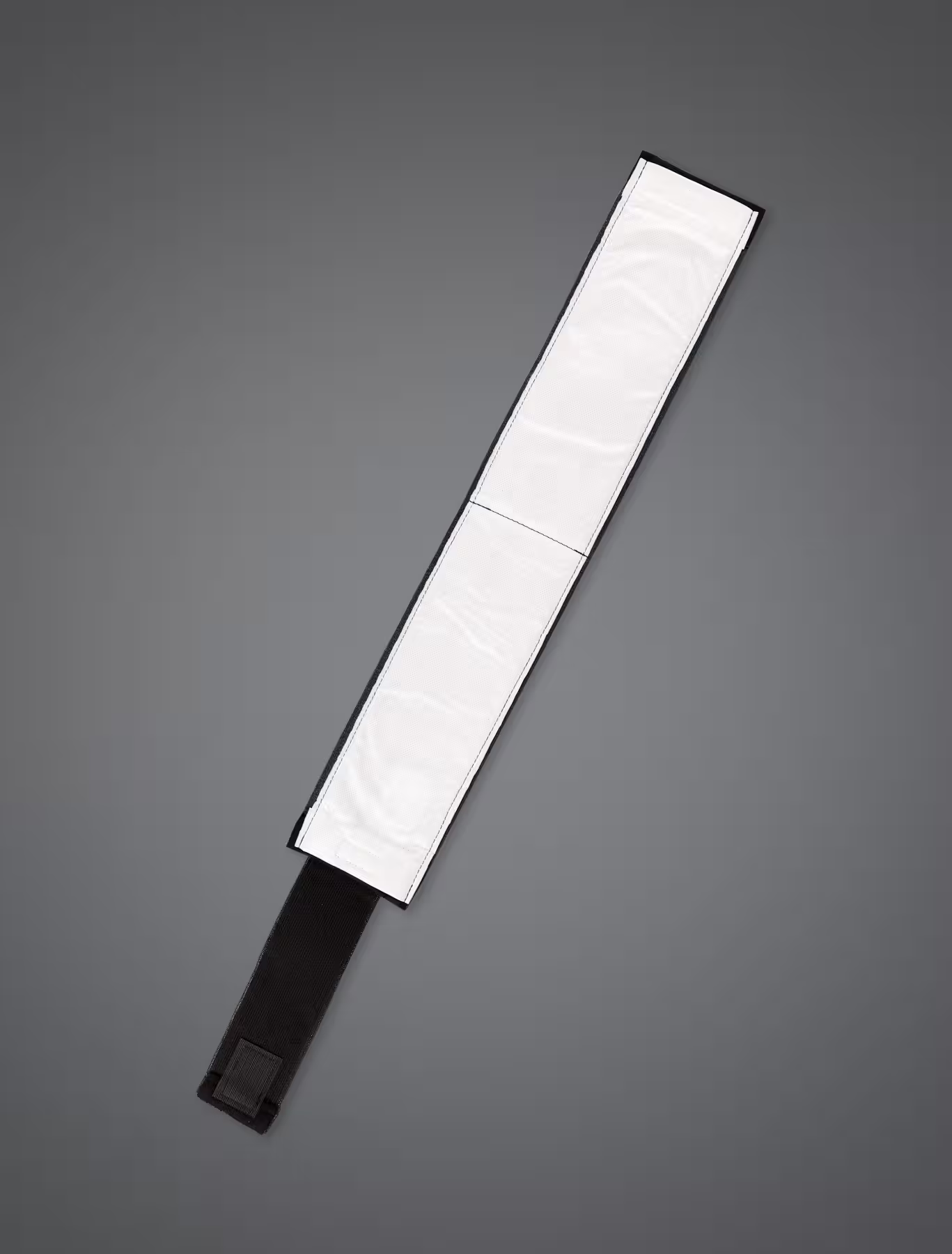
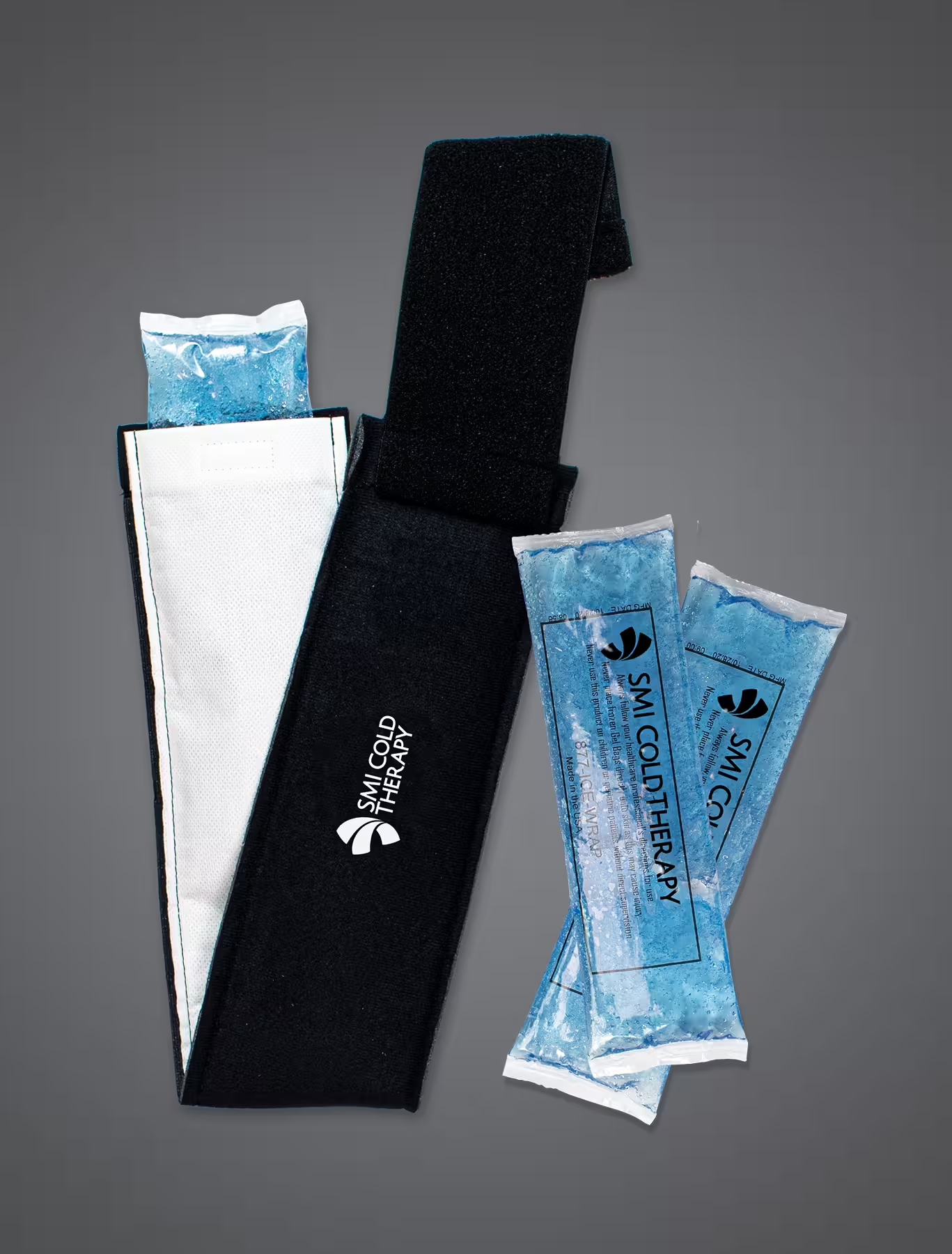
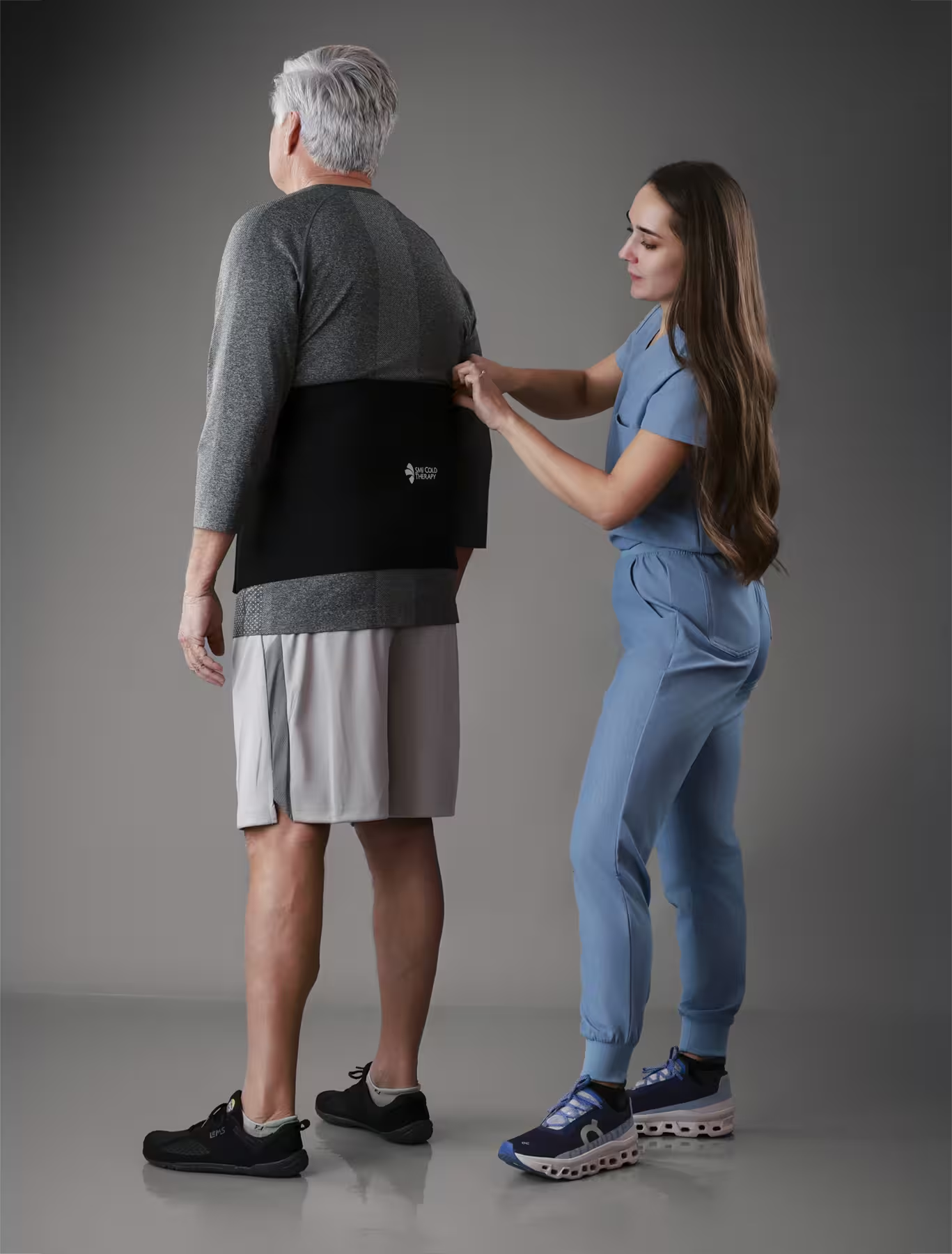
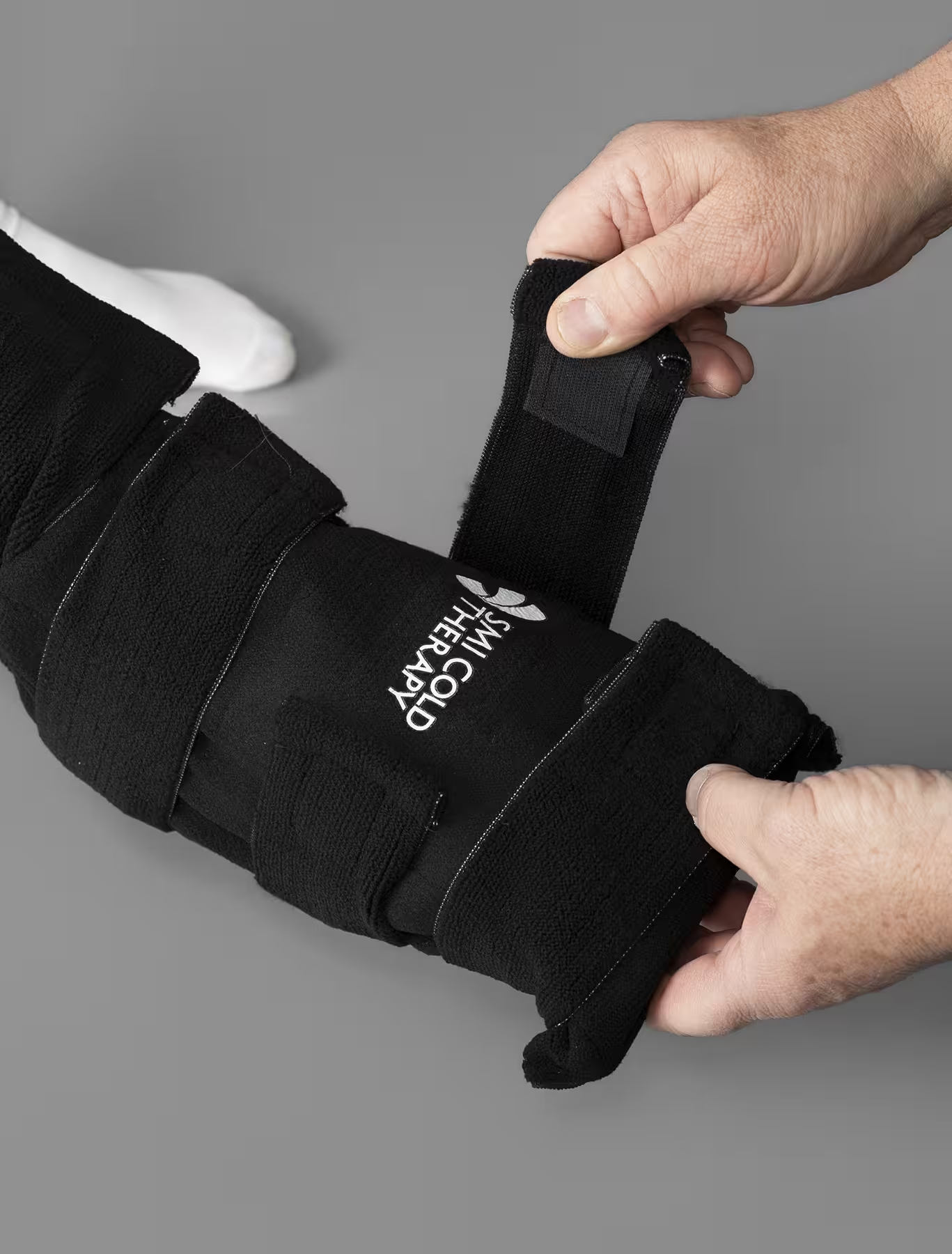
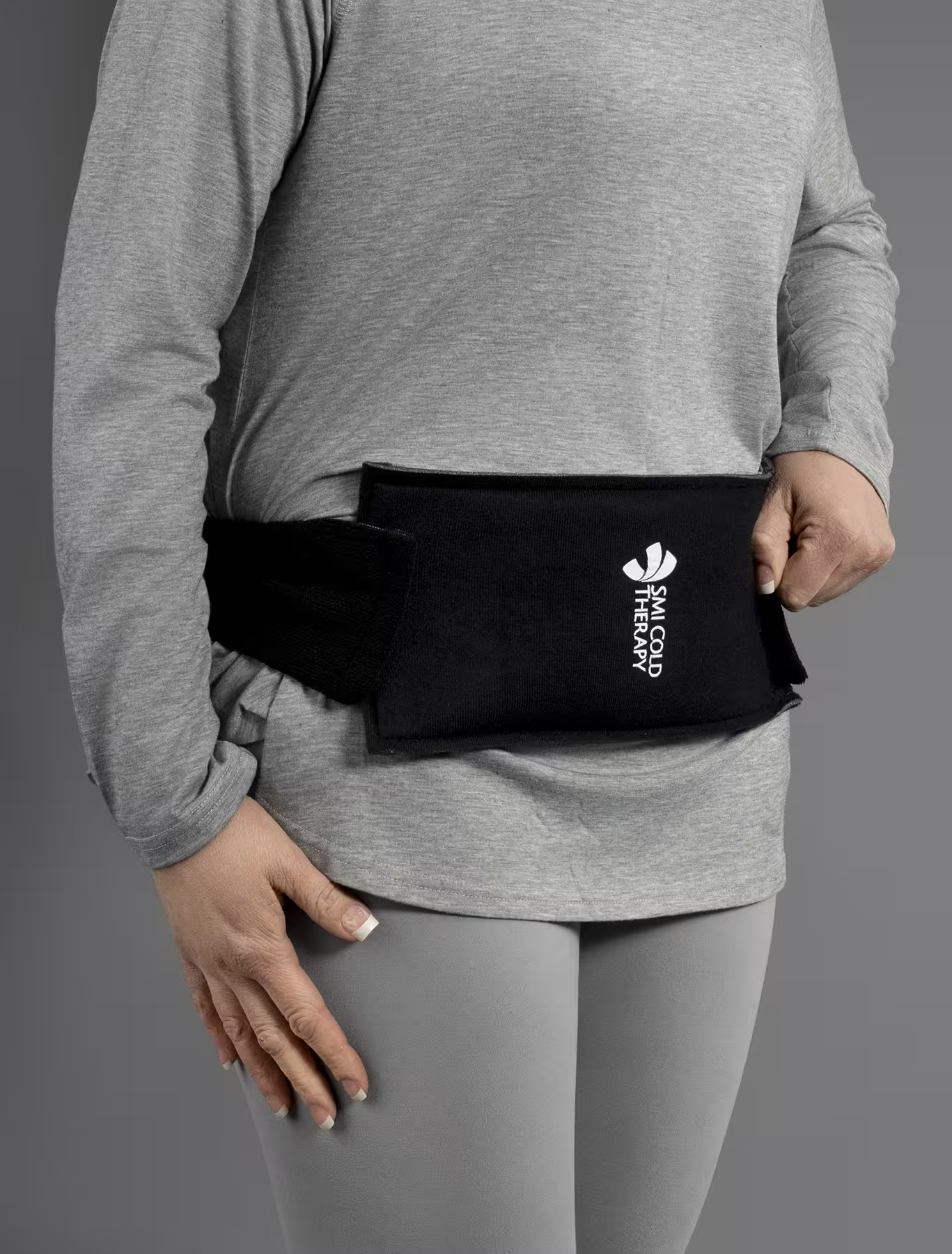
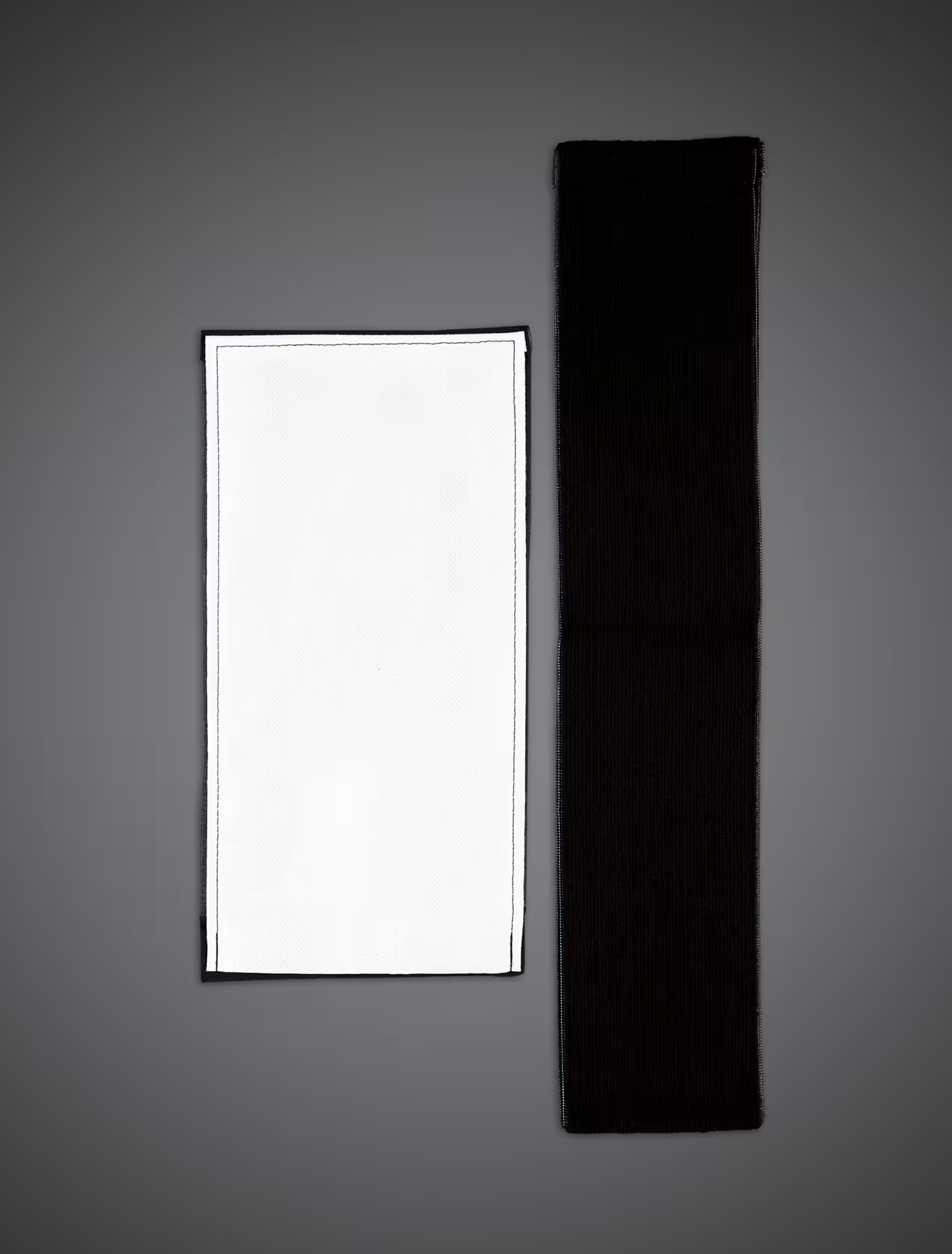
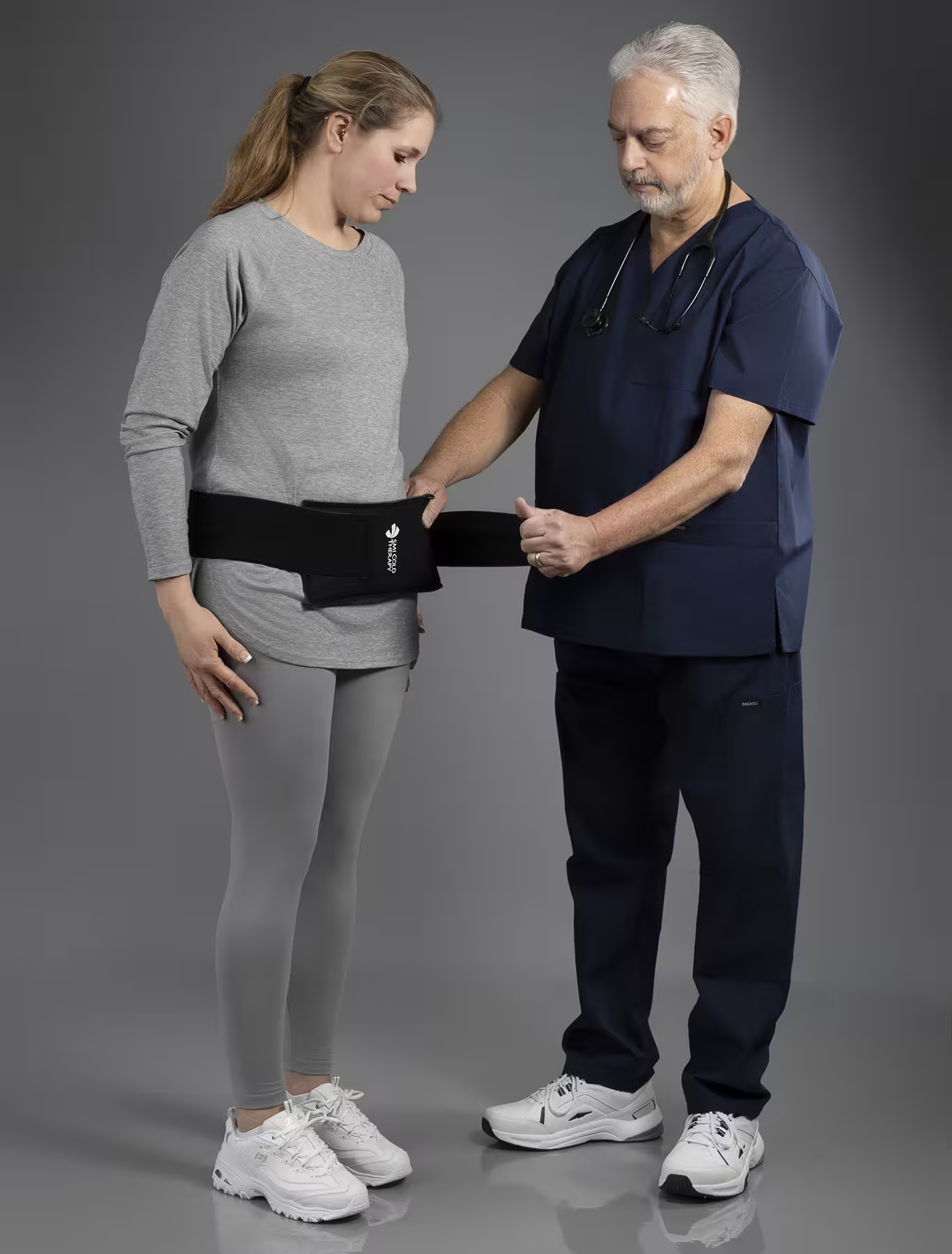
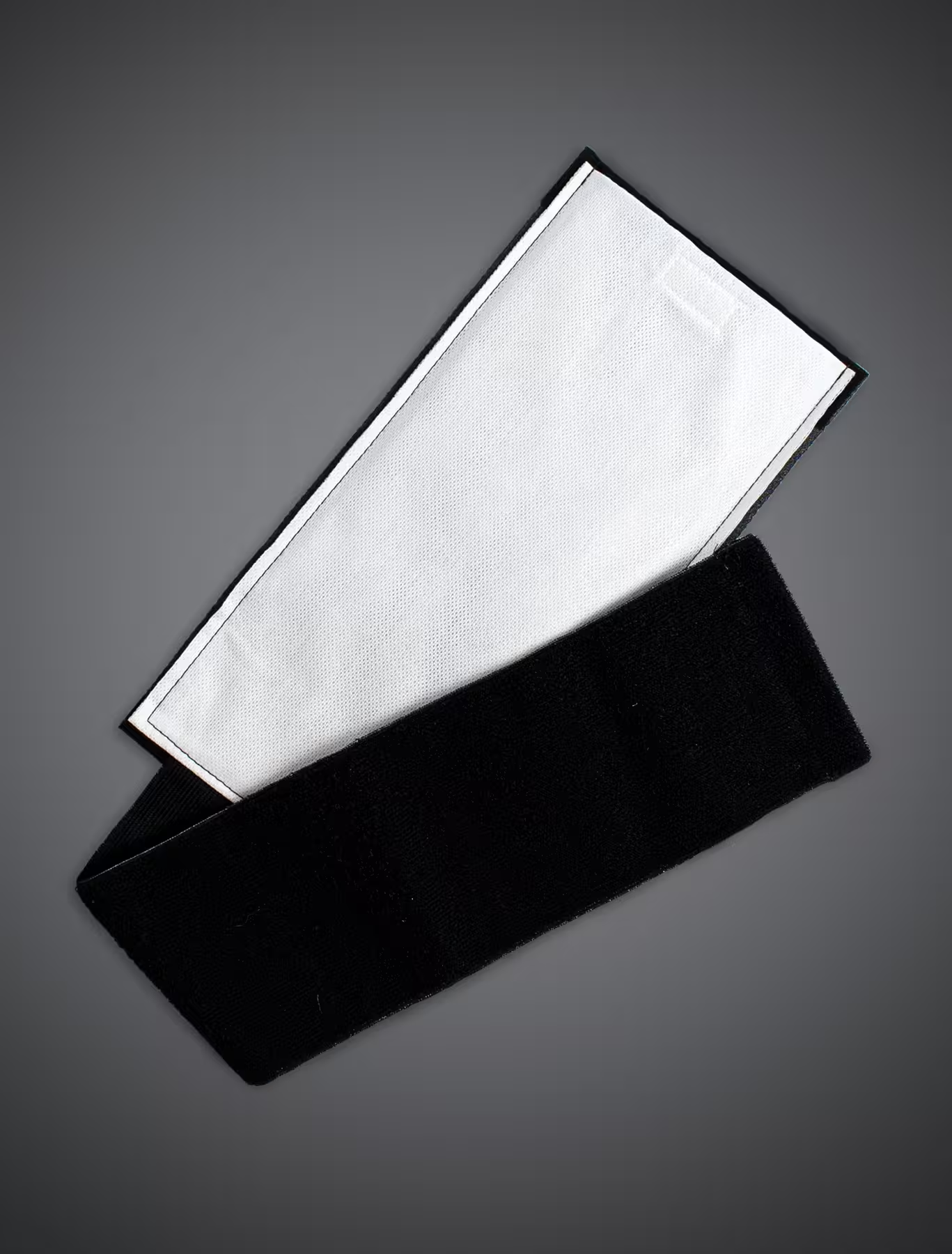
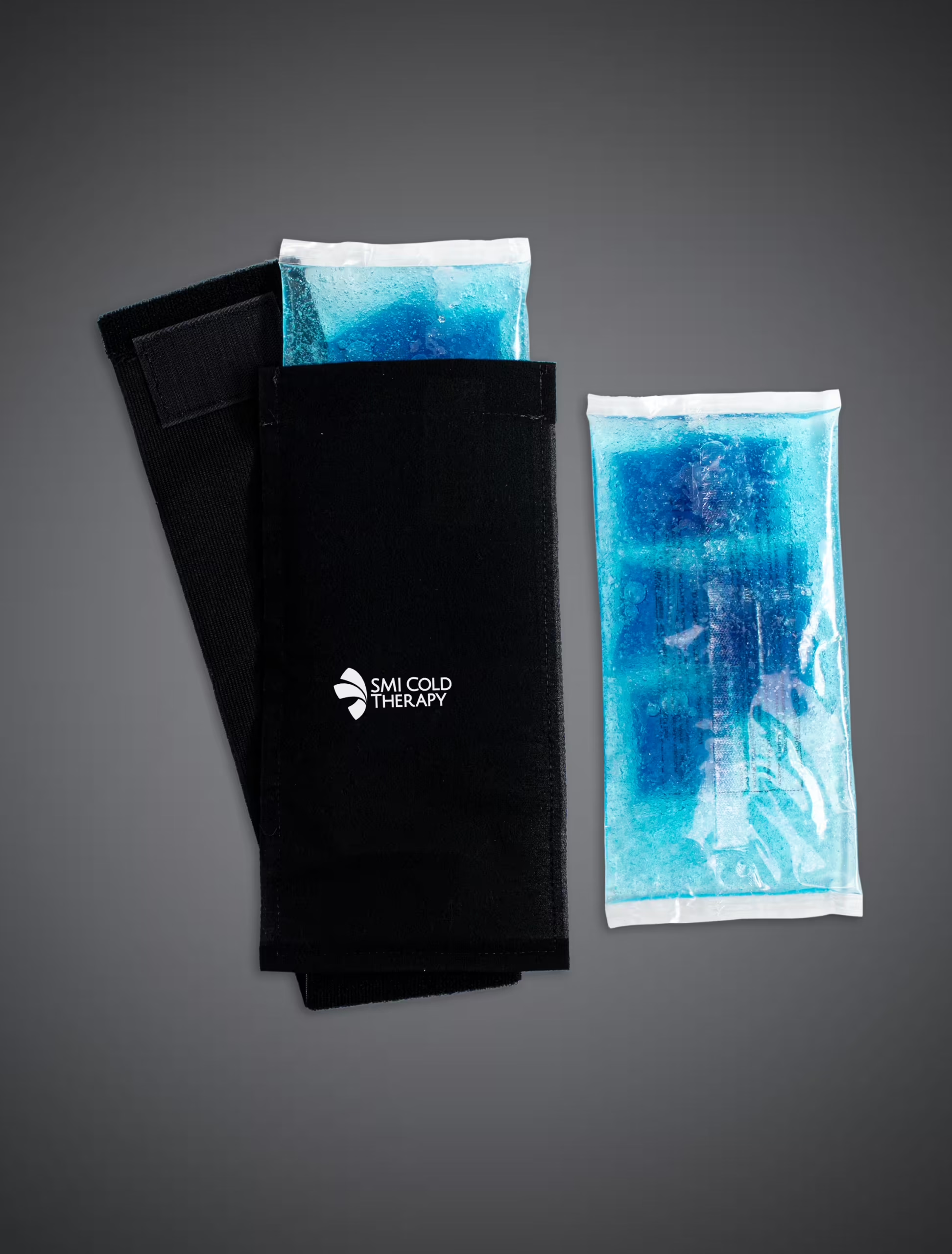
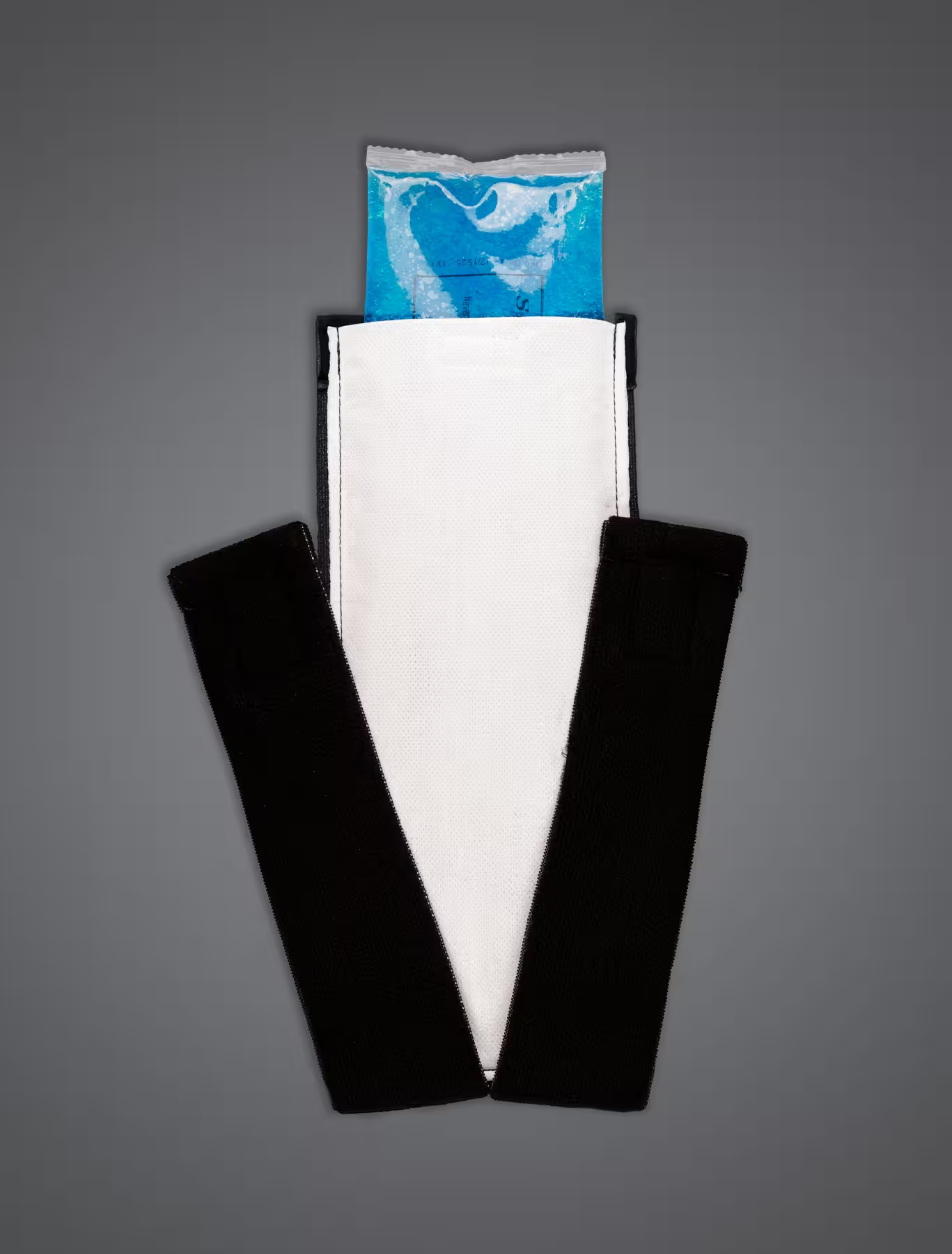
The hip and thigh wrap is built to stay in place through movement, which matters for patients who need to keep walking during recovery. You can see the base wrap secured around the hip and lower back without gel packs inserted, and then in close-up detail showing the pocket construction. Once the reusable inserts go in, the same wrap looks like this, fully loaded with gel packs and ready for a treatment cycle. Clinical staff are trained on proper placement, shown here with a nurse checking the fit at the hip and assisting a patient into the completed hip wrap. The same wrap style adapts down the leg, as demonstrated by this application wrapped snugly around the thigh, and a narrower version handles the knee joint directly, seen in this close-up of the knee wrap in place.
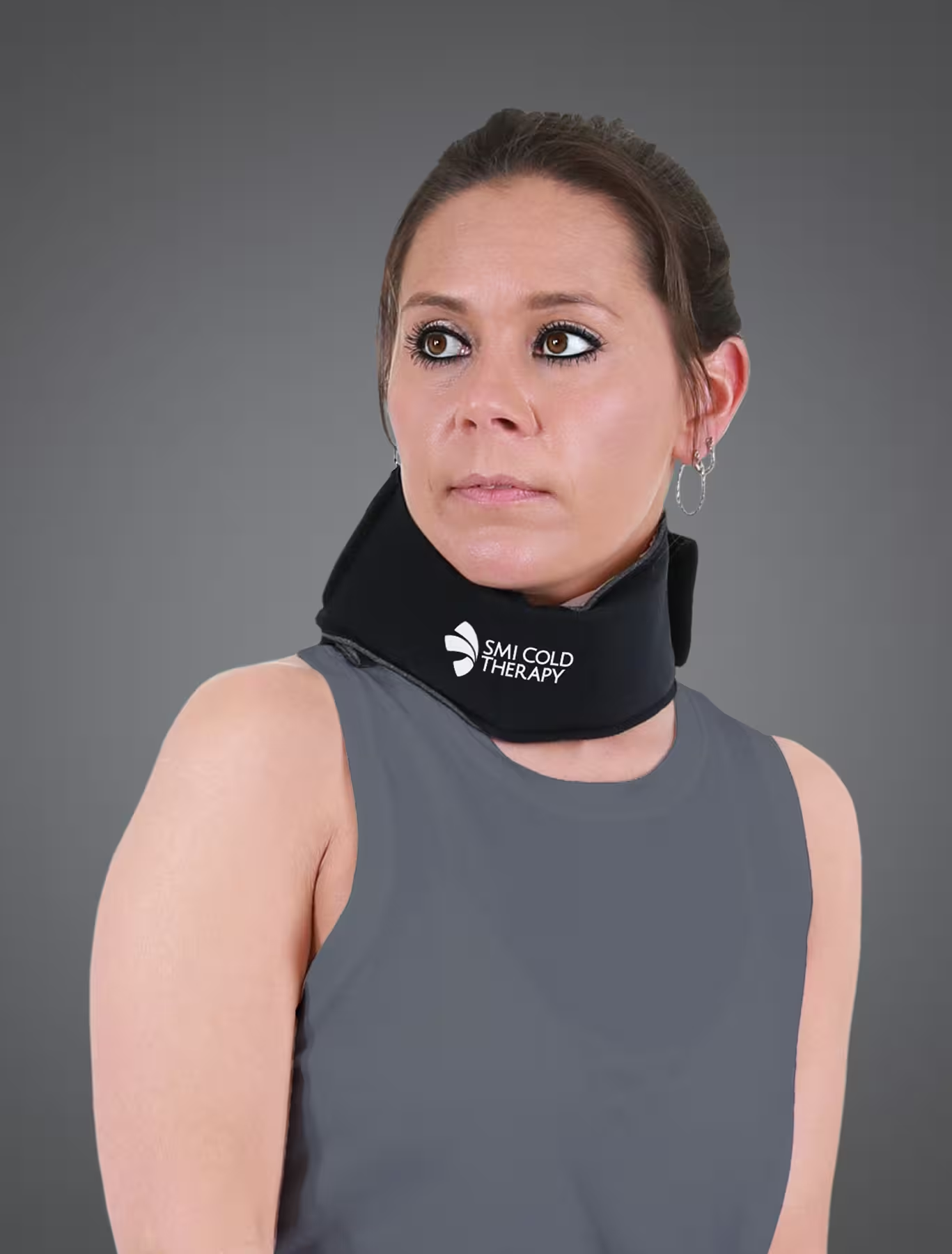
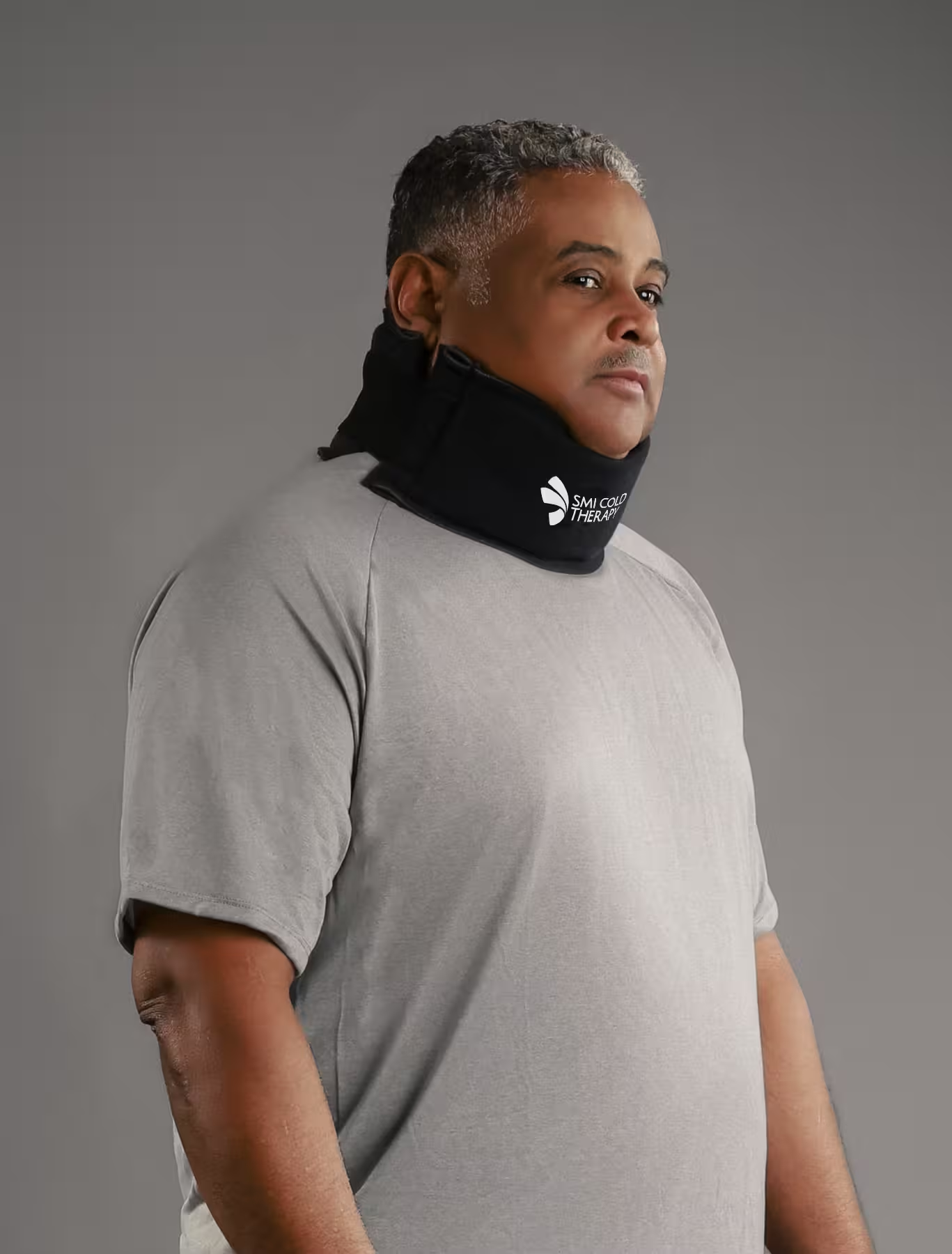
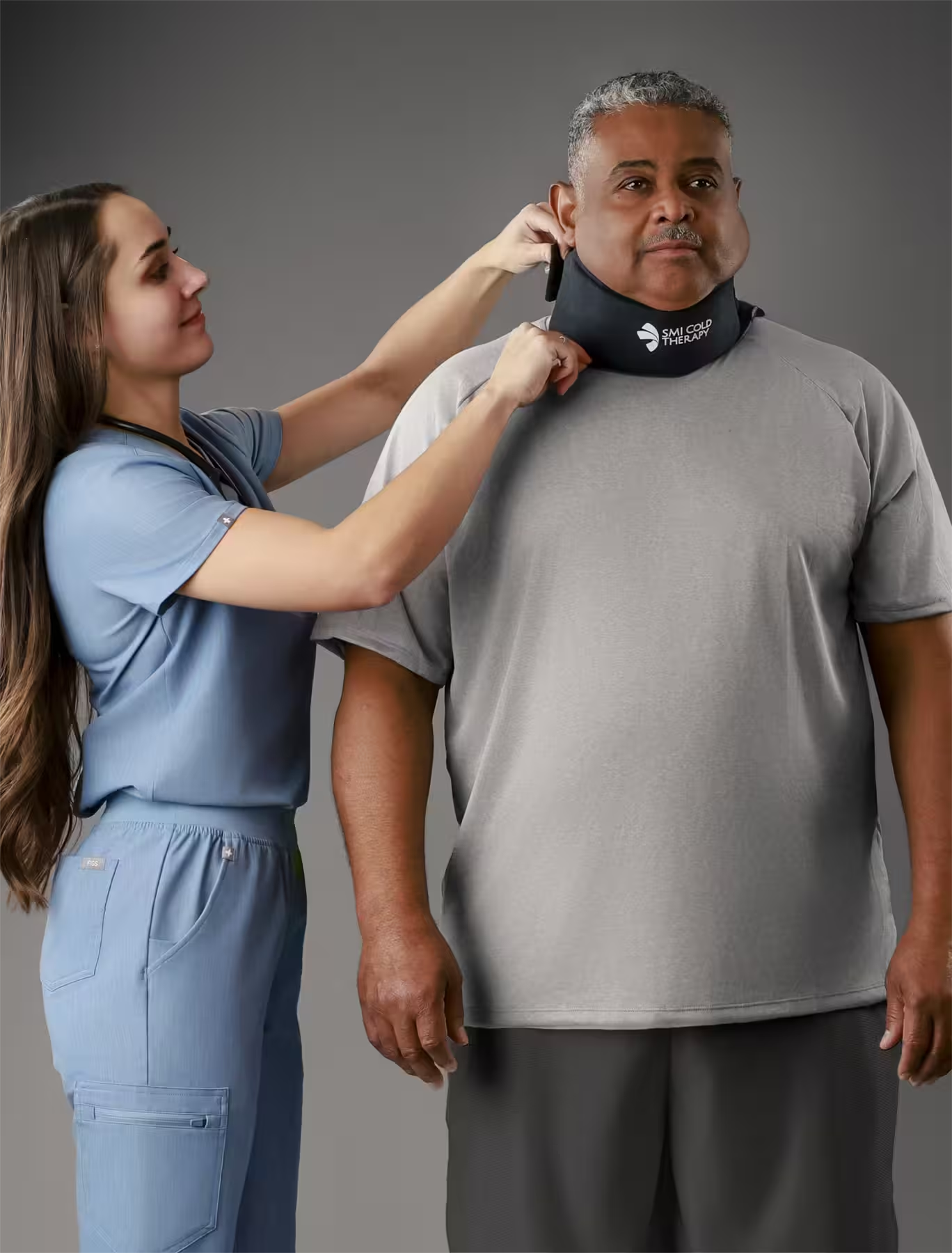
Neck wraps are one of our most requested products for patients managing cervical strain, whiplash recovery, or post-surgical neck swelling. A patient wearing the neck wrap during a treatment session shows how the wrap sits against the base of the skull and upper shoulders. Before the cold packs go in, the wrap looks like this from the back, without gel packs. Loaded and ready, it’s shown with the gel packs inserted in this version and in a second angle with the packs fully seated. The wrap folded open to show its full construction gives a clear look at how the fabric and pockets are laid out, and a clinician fitting the neck wrap on a patient shows the typical application process from start to finish.
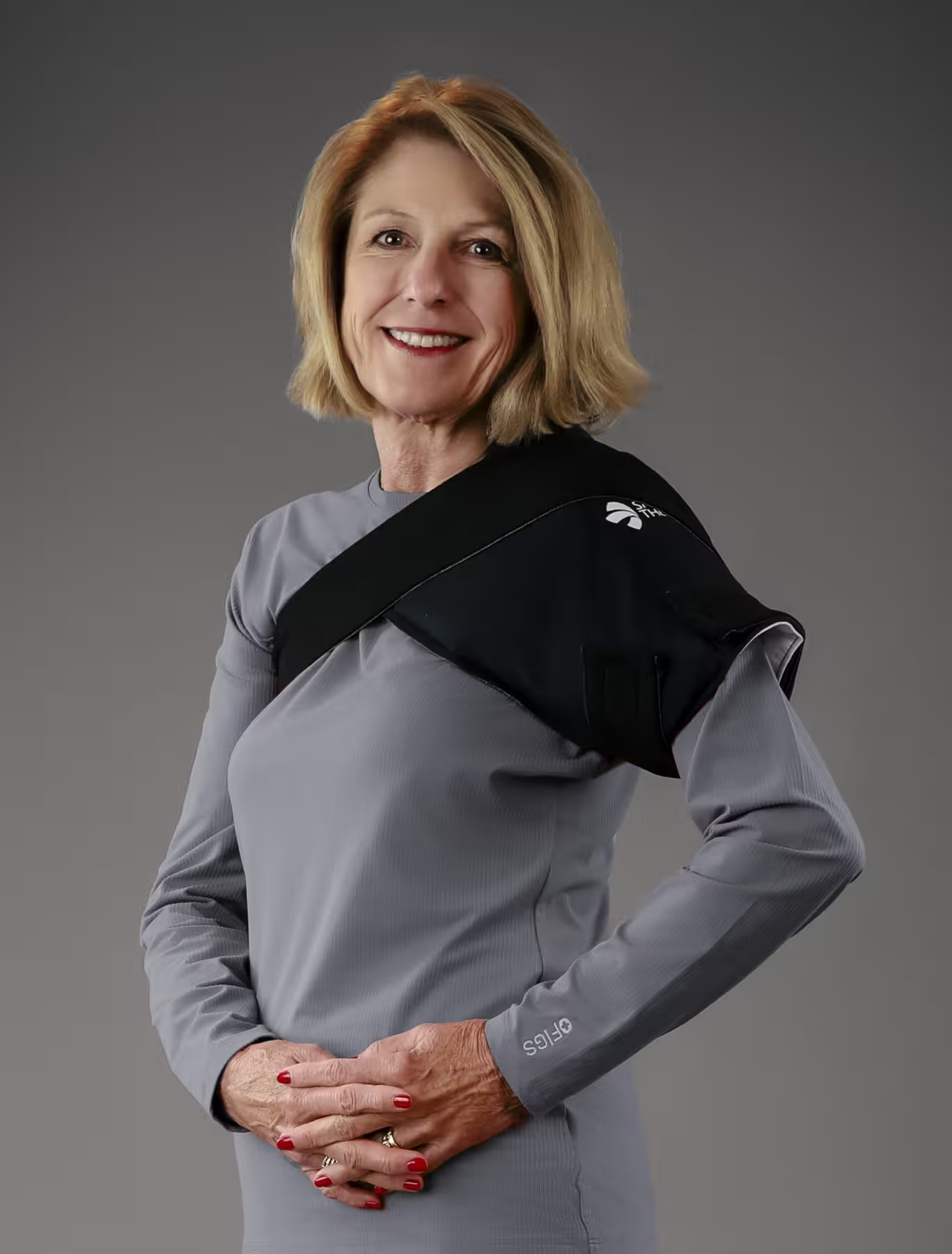
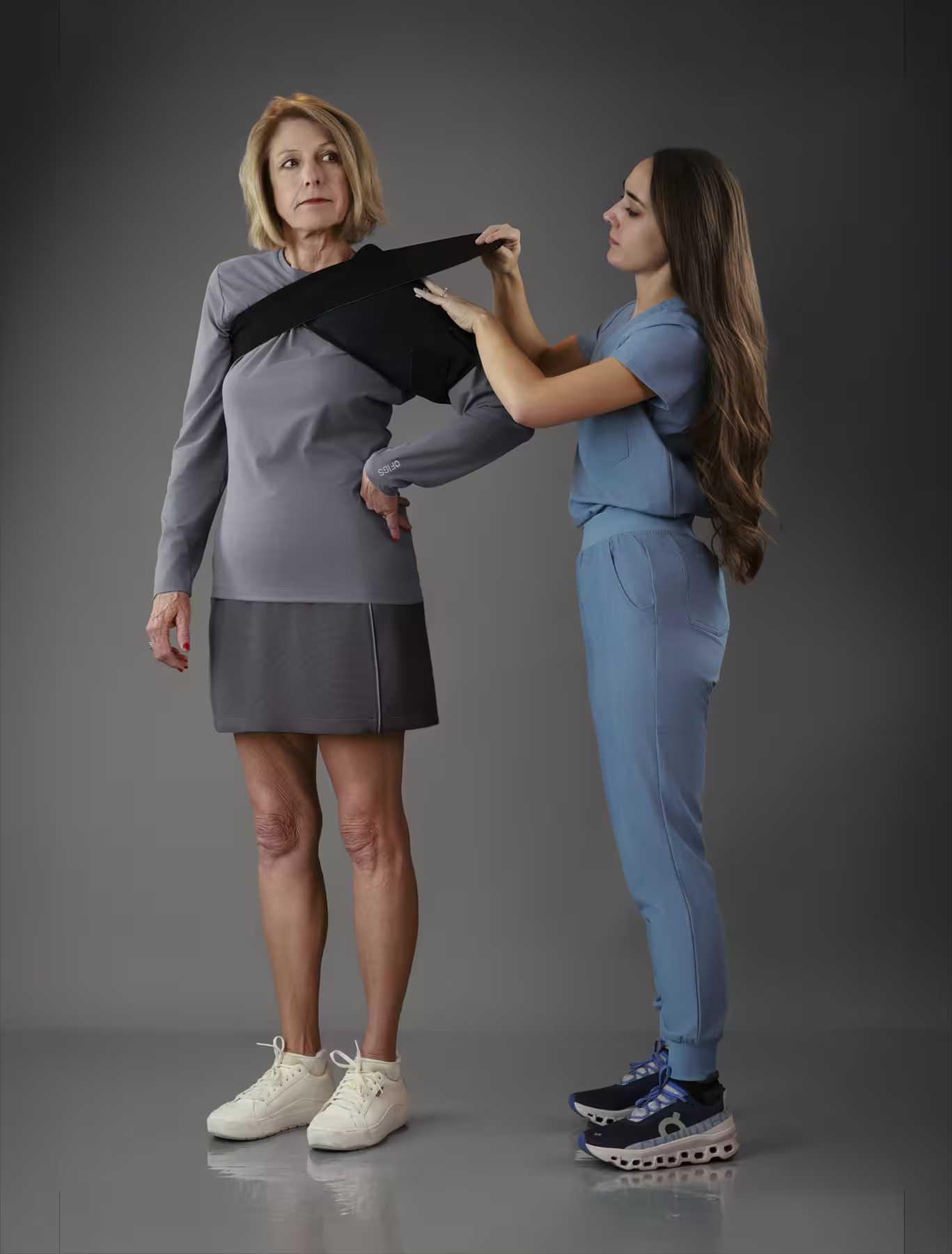
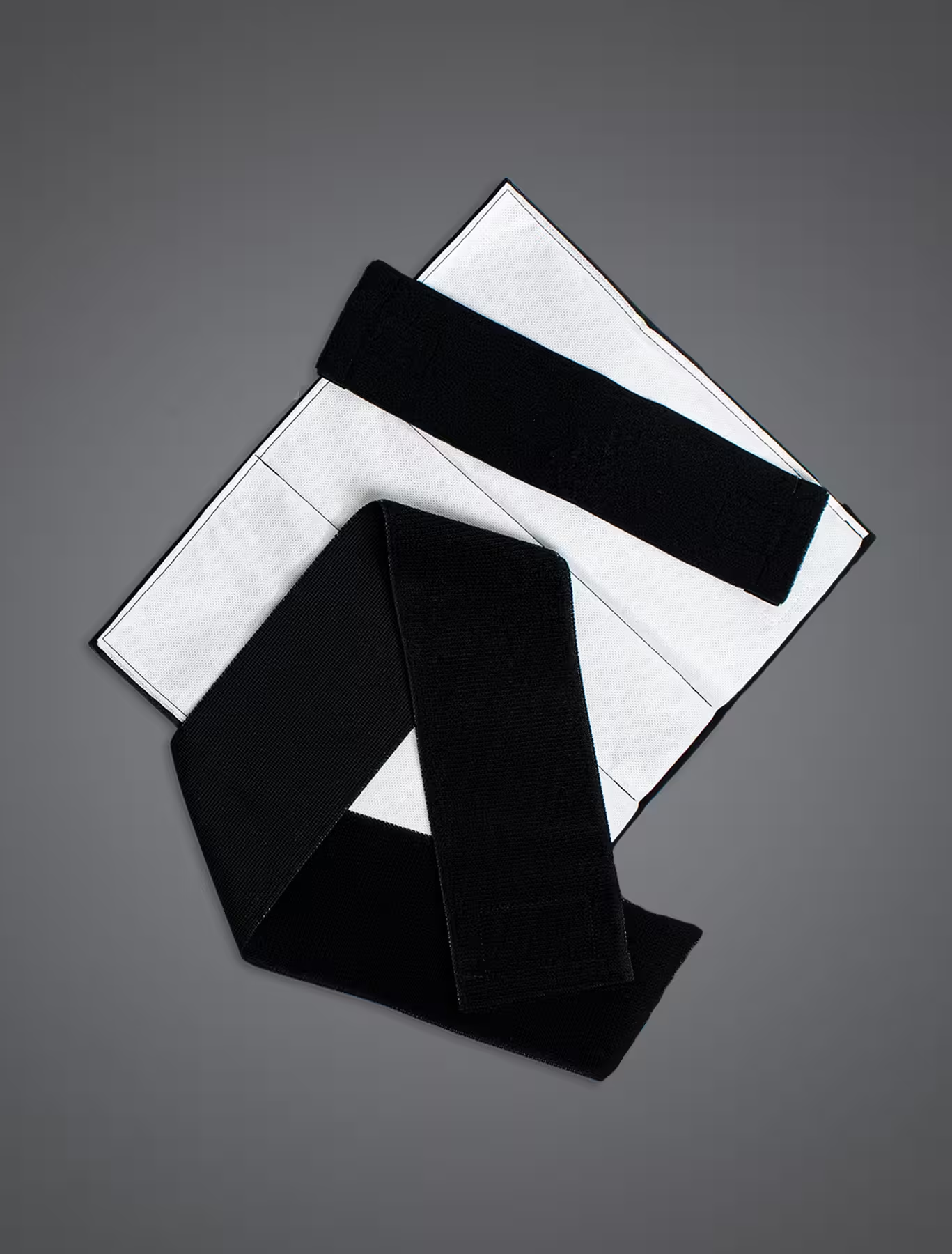
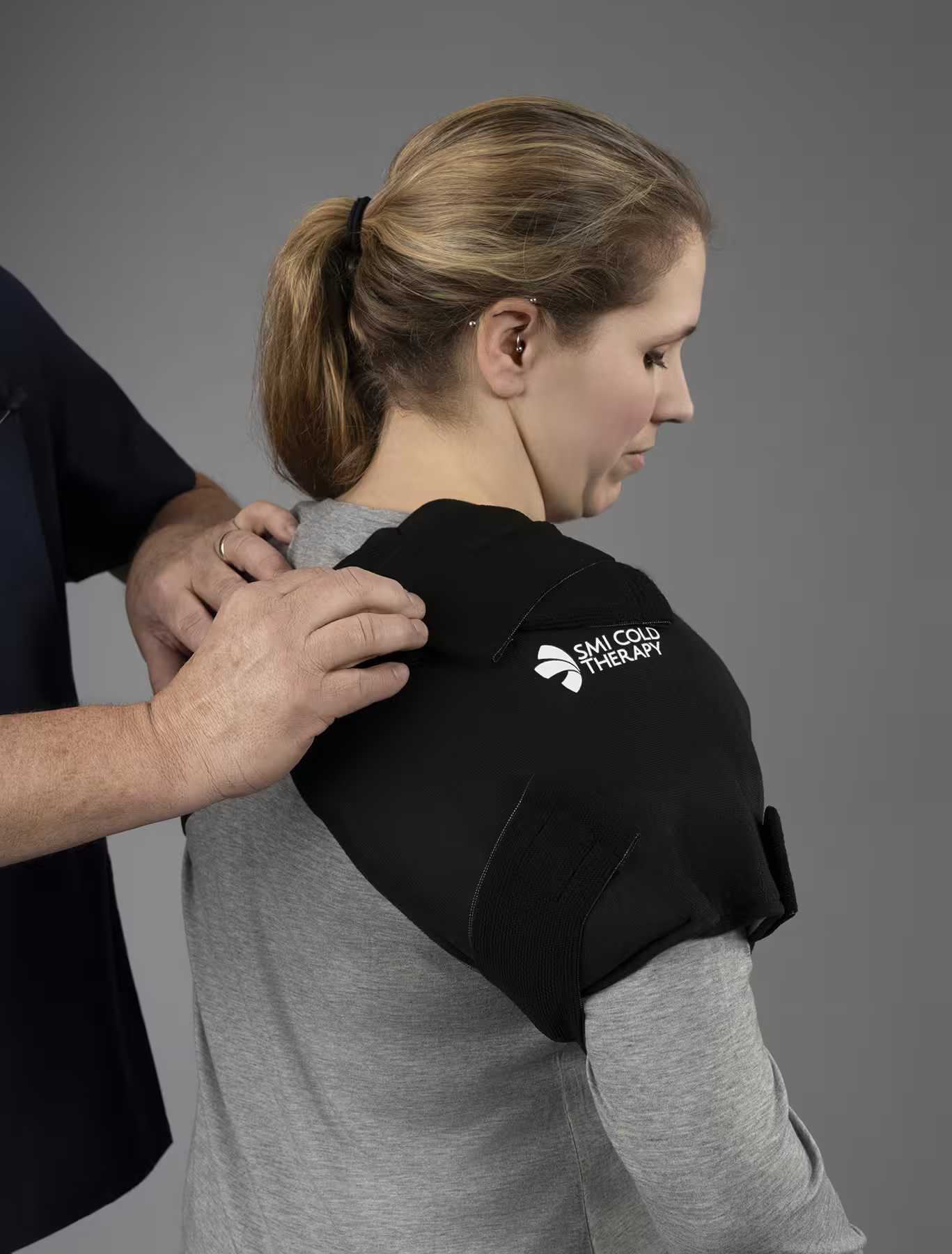
Shoulder surgeries and rotator cuff injuries call for a wrap that can cover the joint from multiple angles without slipping. A patient being fitted for the shoulder wrap shows the initial placement, while the empty shoulder wrap shown from the back illustrates the strap and pocket layout before treatment begins. Once the gel packs are added, the wrap holds the packs snugly against the joint, as shown here, and a rear view of the finished wrap in place shows the full coverage across the shoulder and upper arm.
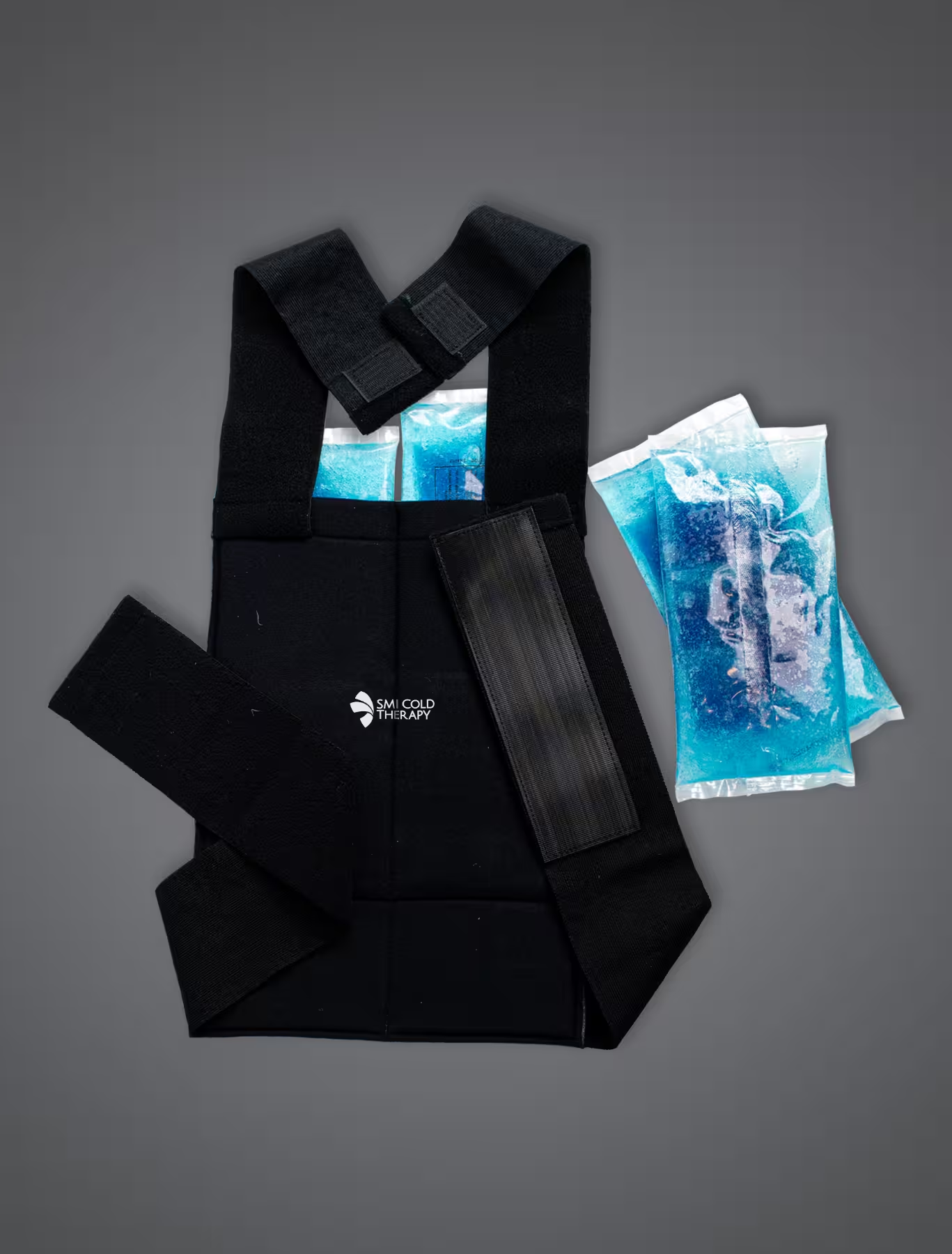
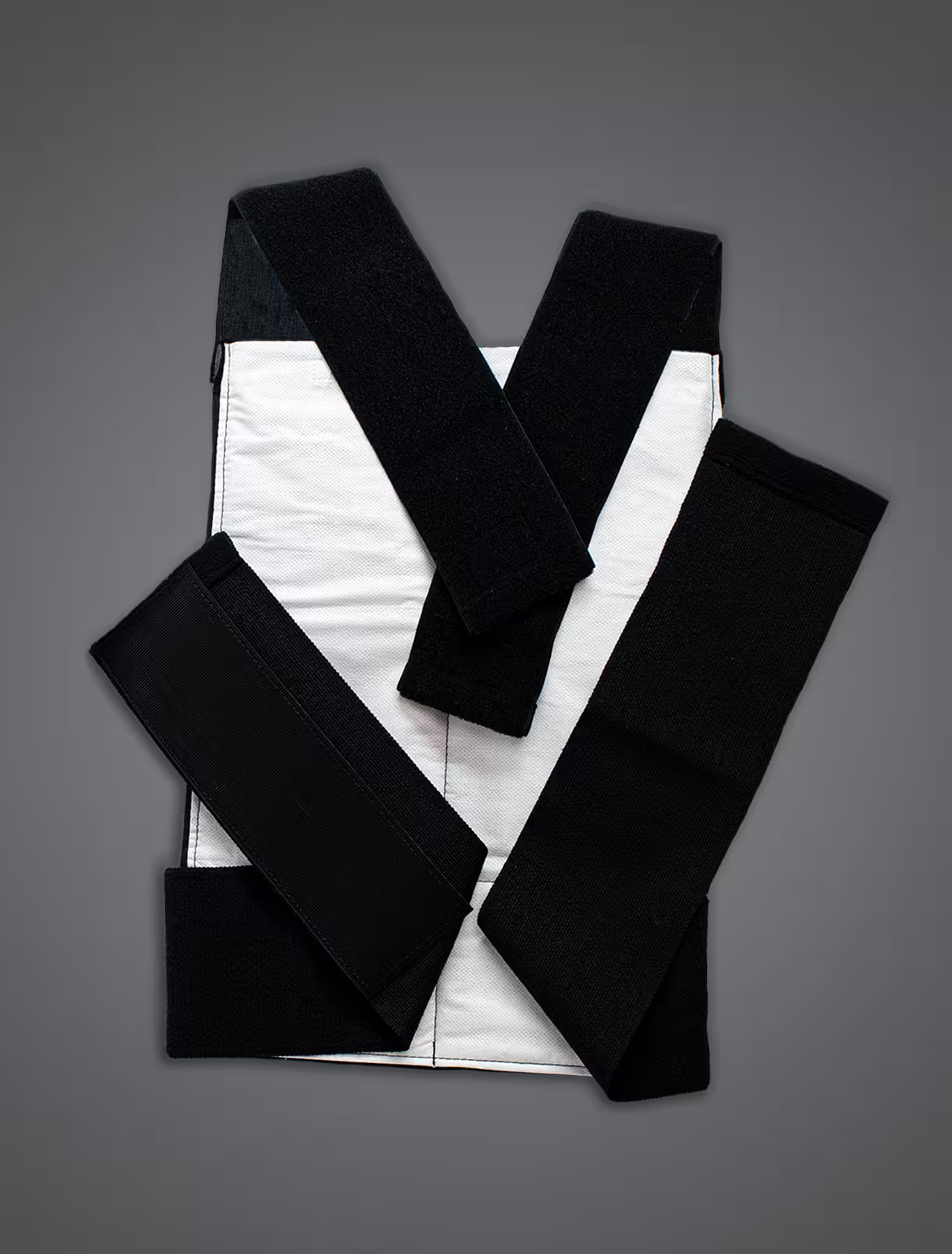
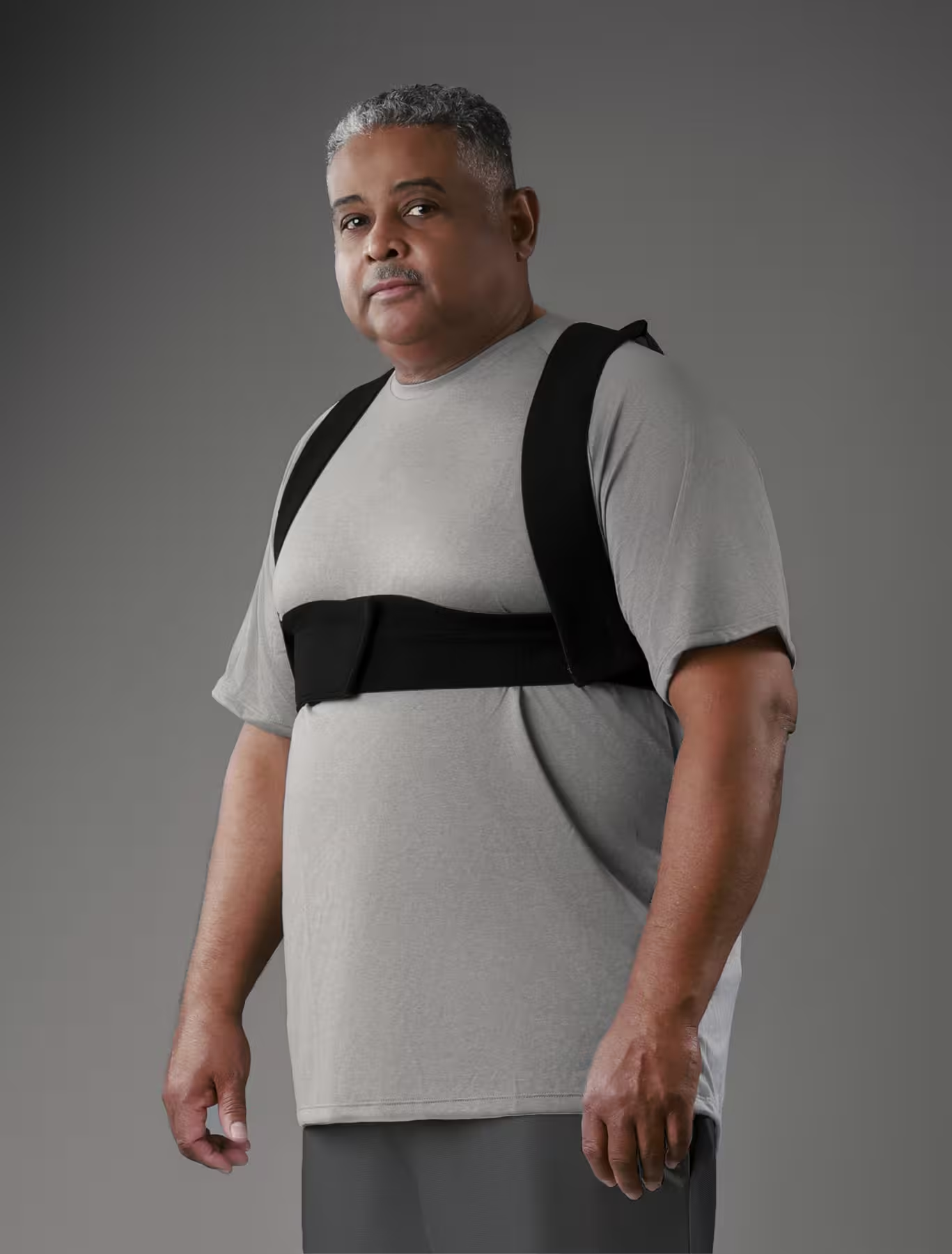
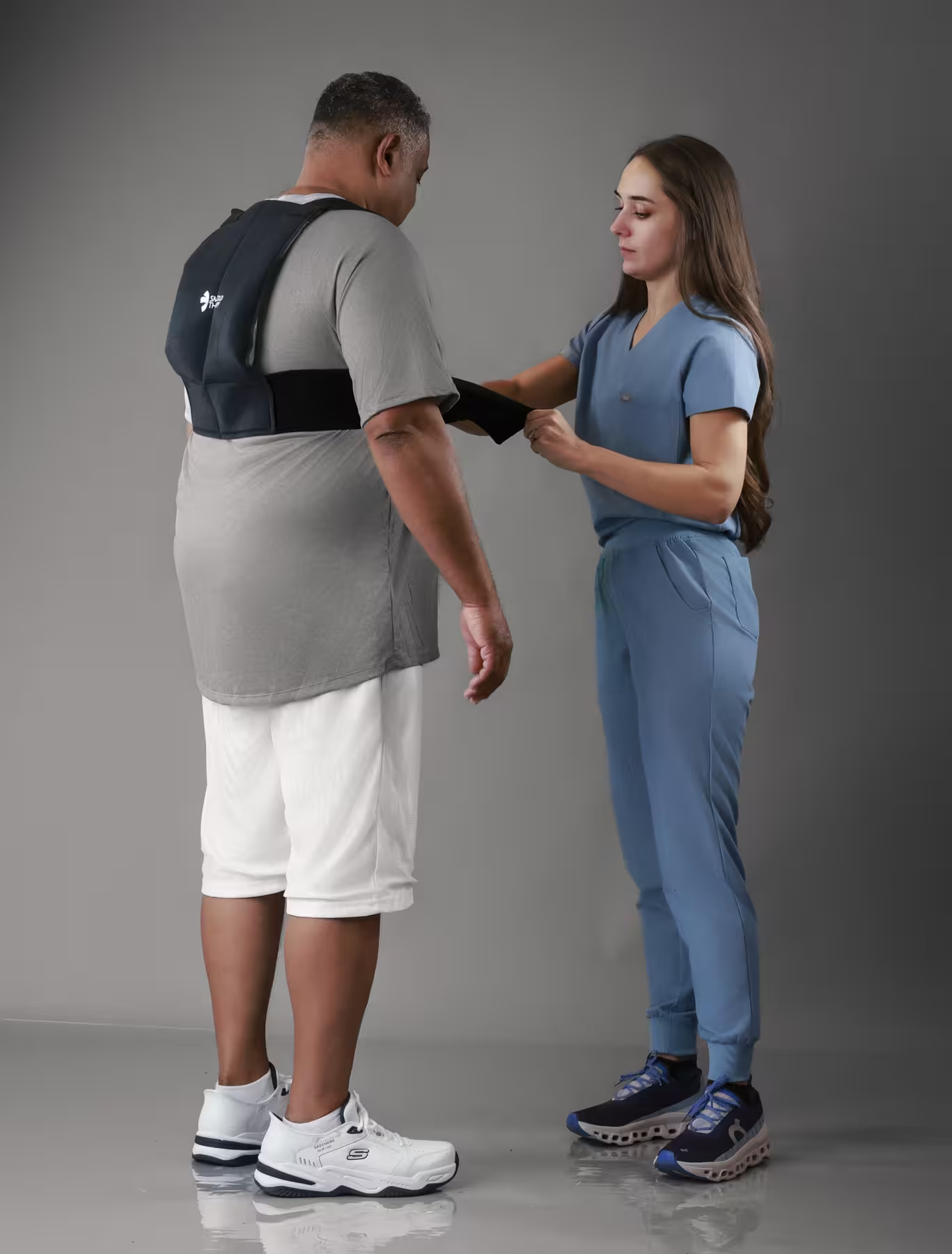
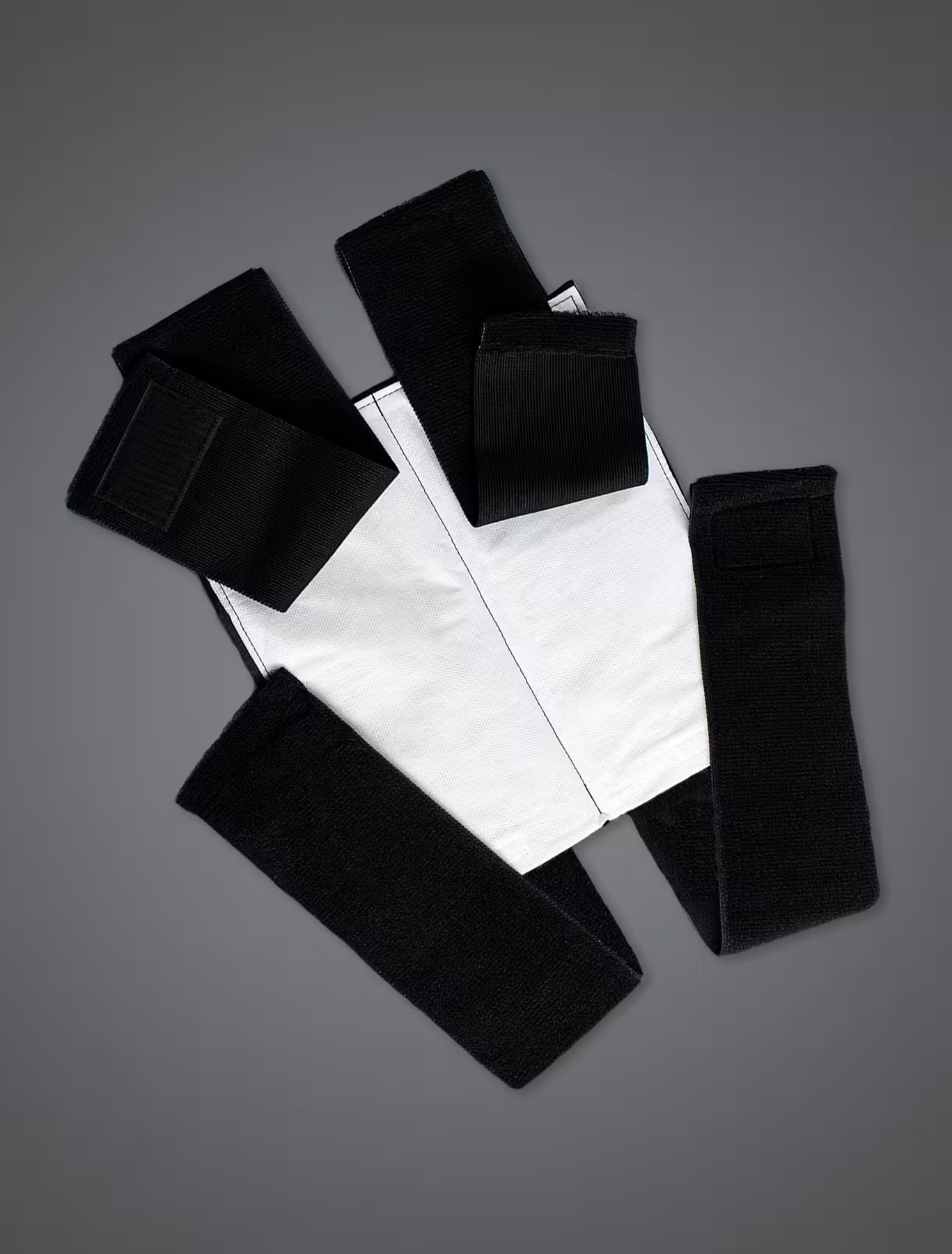
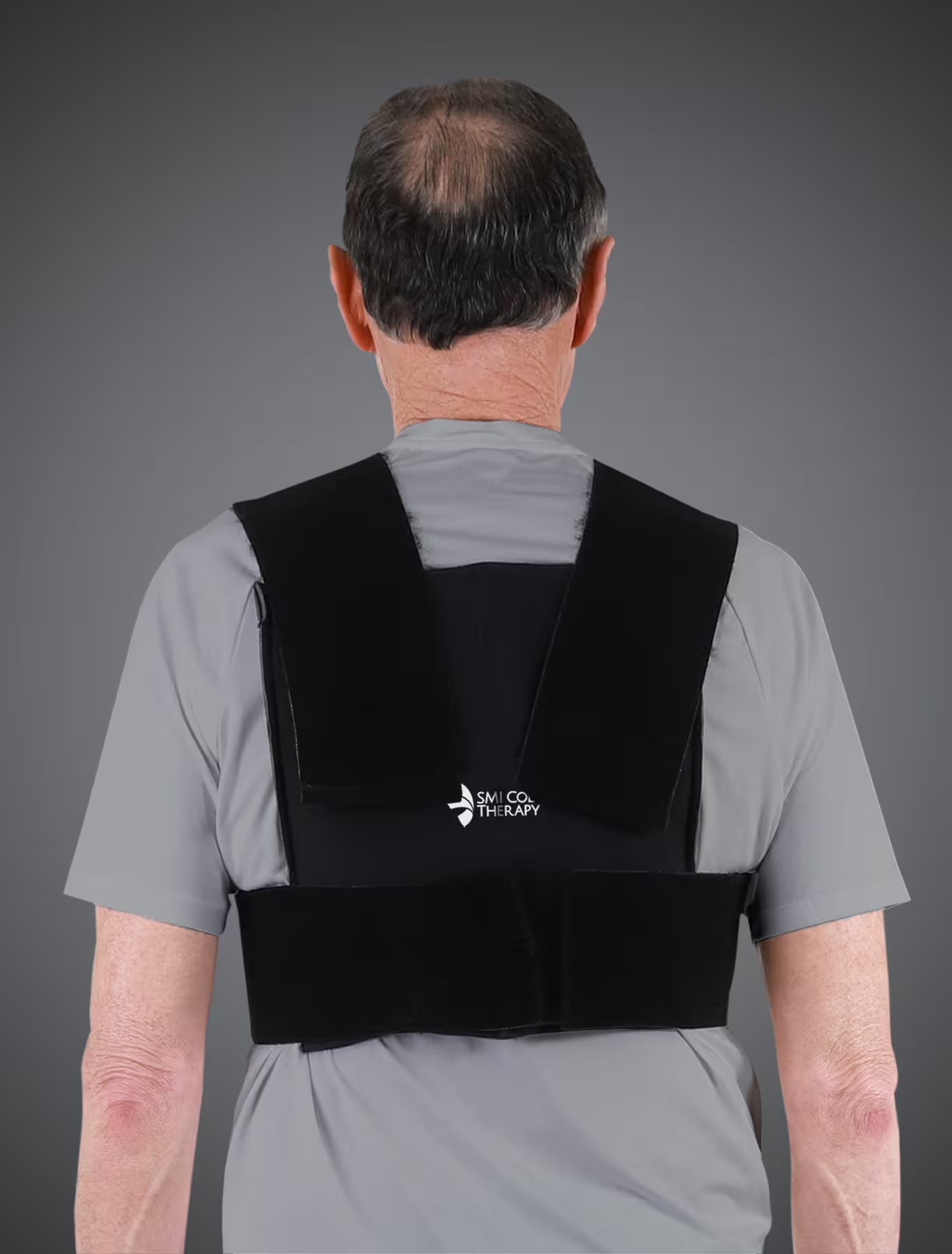
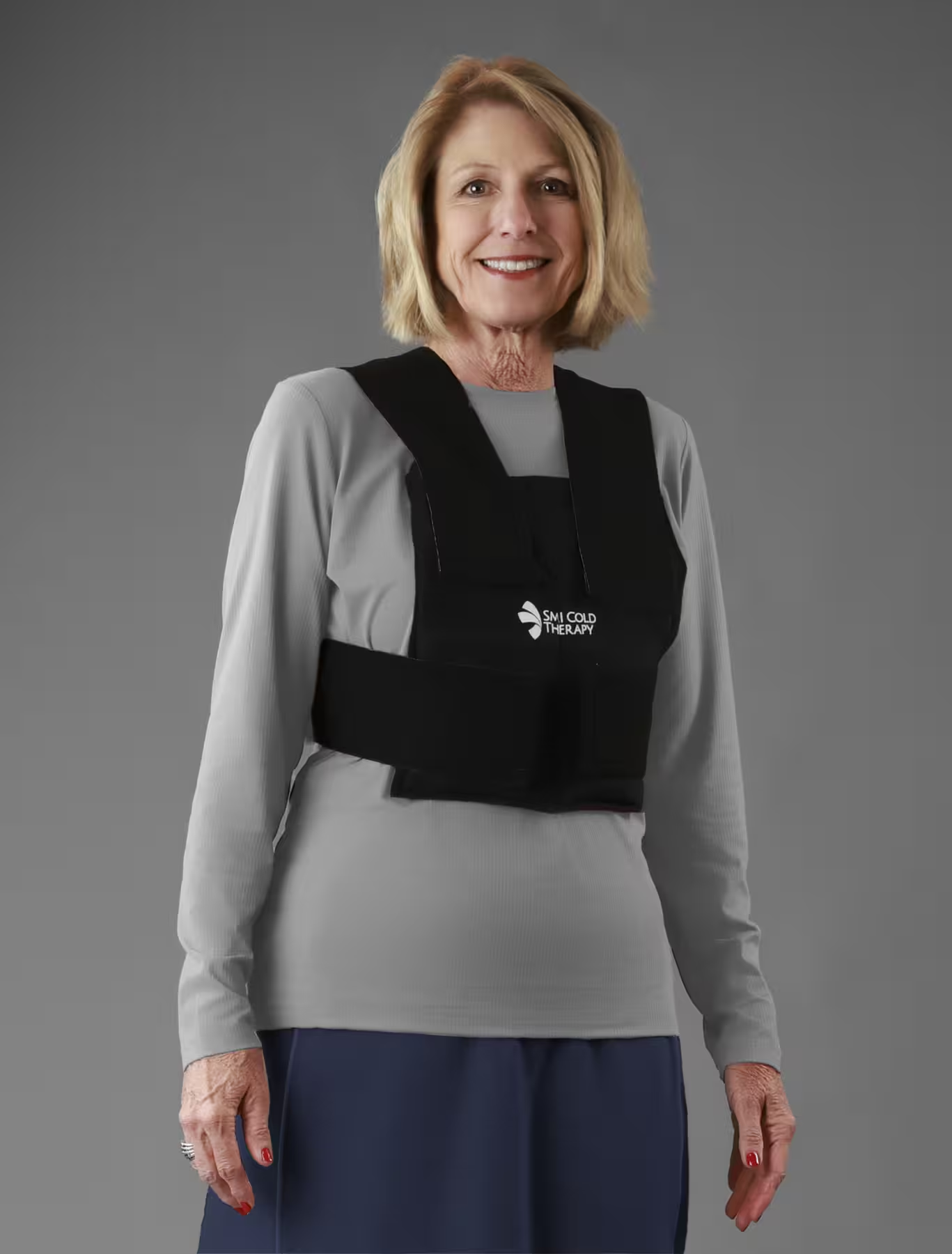
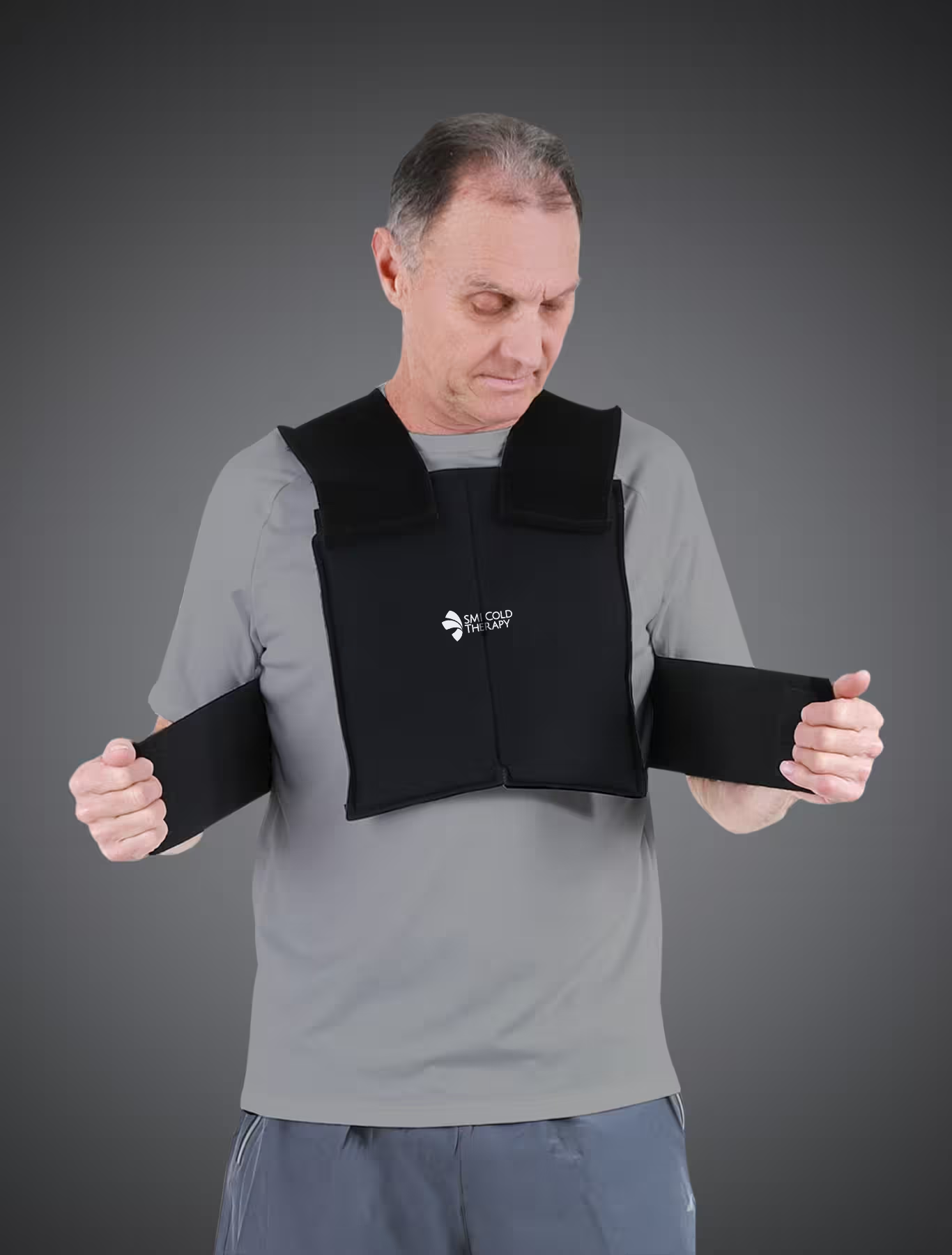
For thoracic surgeries and mid-back pain, the wrap needs to span a wider area while still allowing the patient to sit or lie comfortably. The thoracic wrap loaded with four gel packs is our standard configuration for full coverage across the upper back. Before treatment, the wrap is shown from the back in this view and again without any gel packs inserted, so the construction is easy to see. A front-facing view of the wrap being worn shows how the straps close across the chest, and a nurse assisting with the thoracic wrap fitting demonstrates proper clinical application.
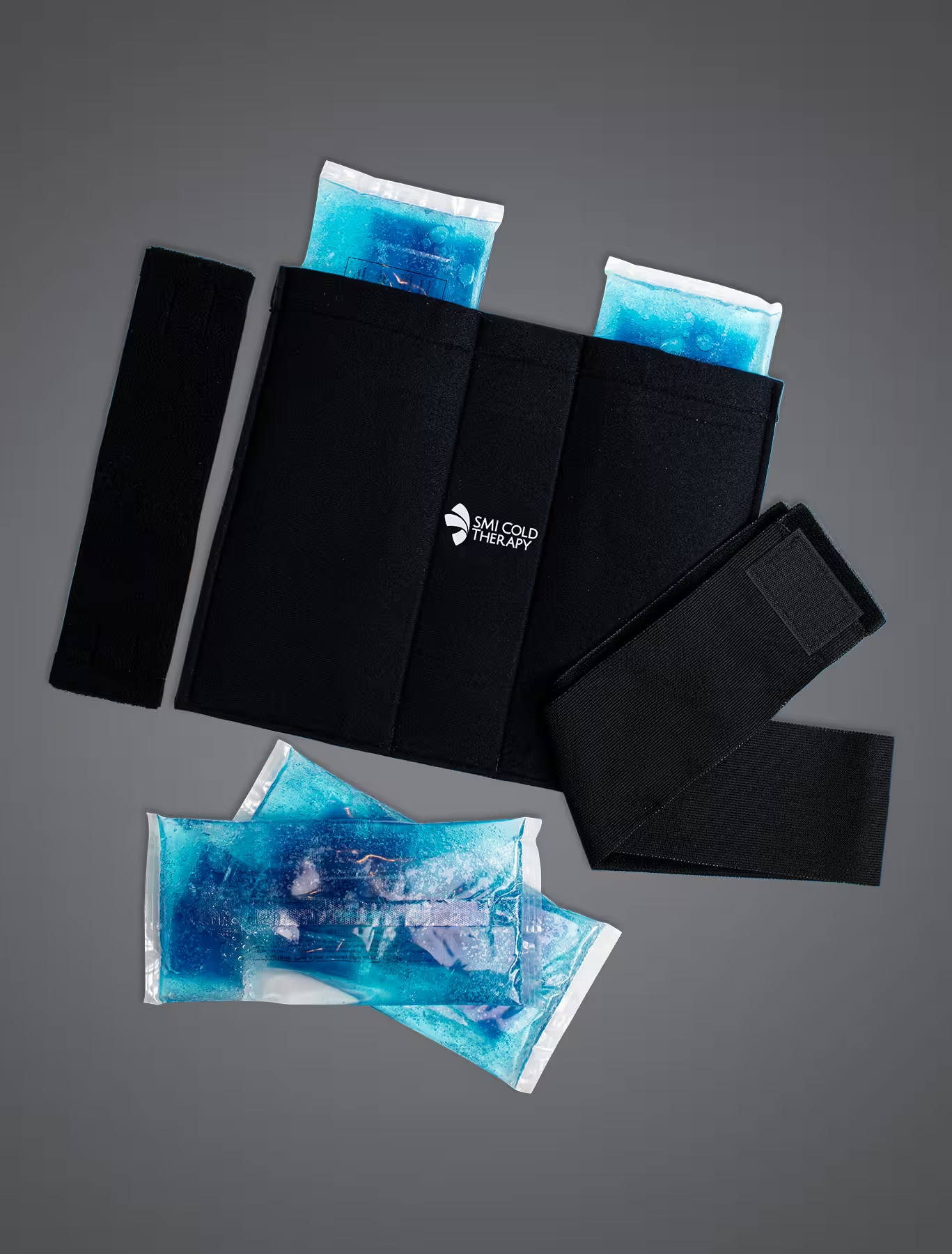
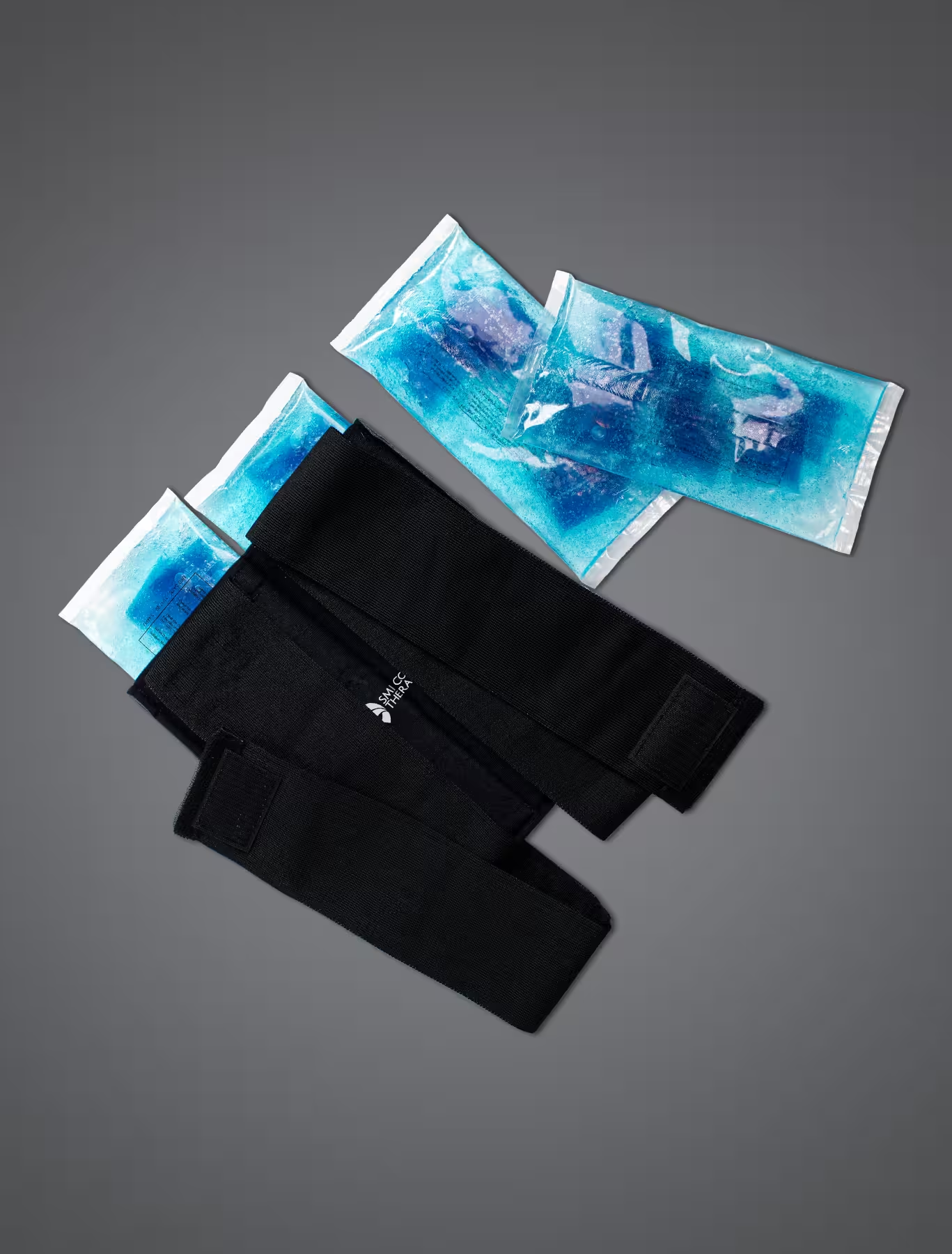
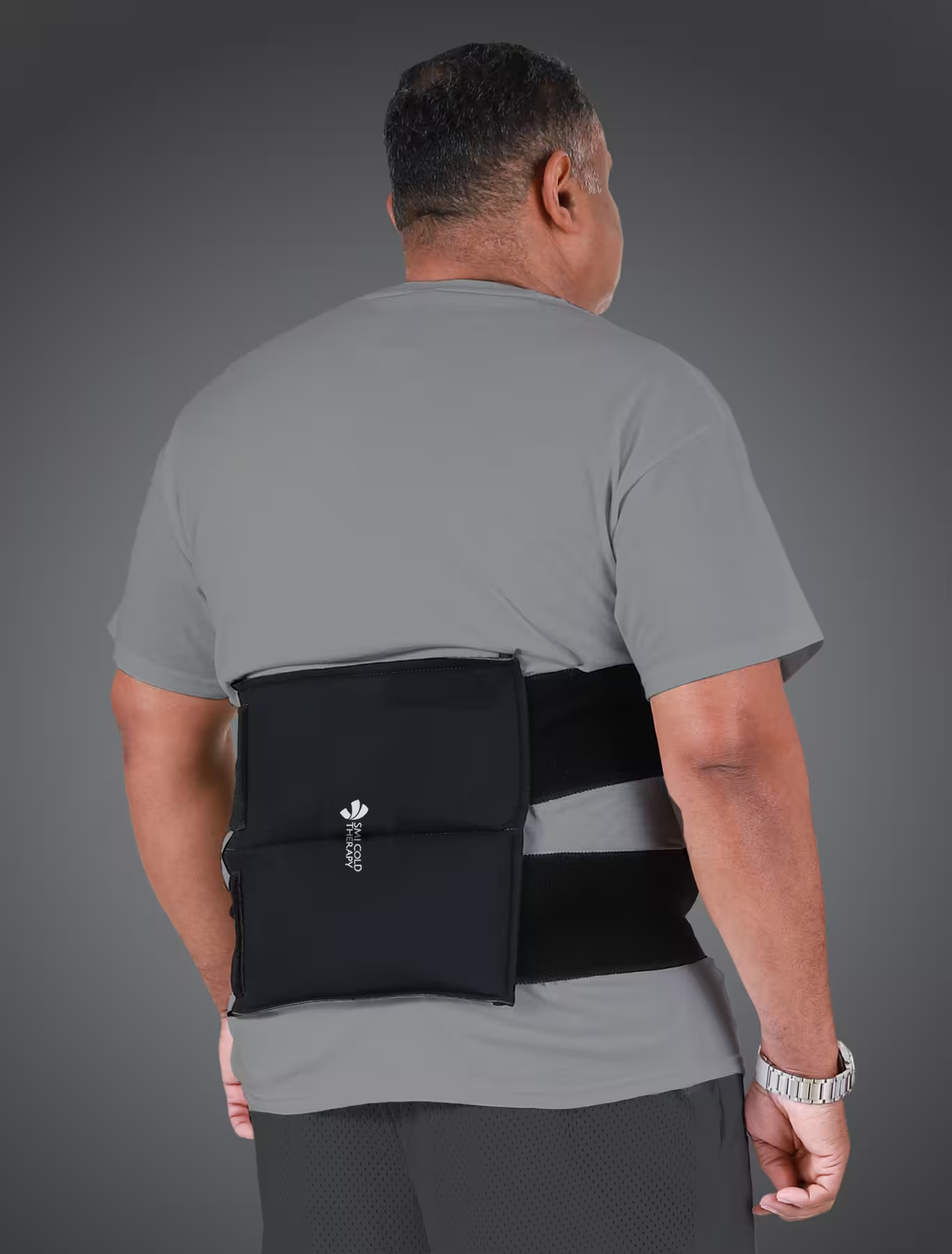
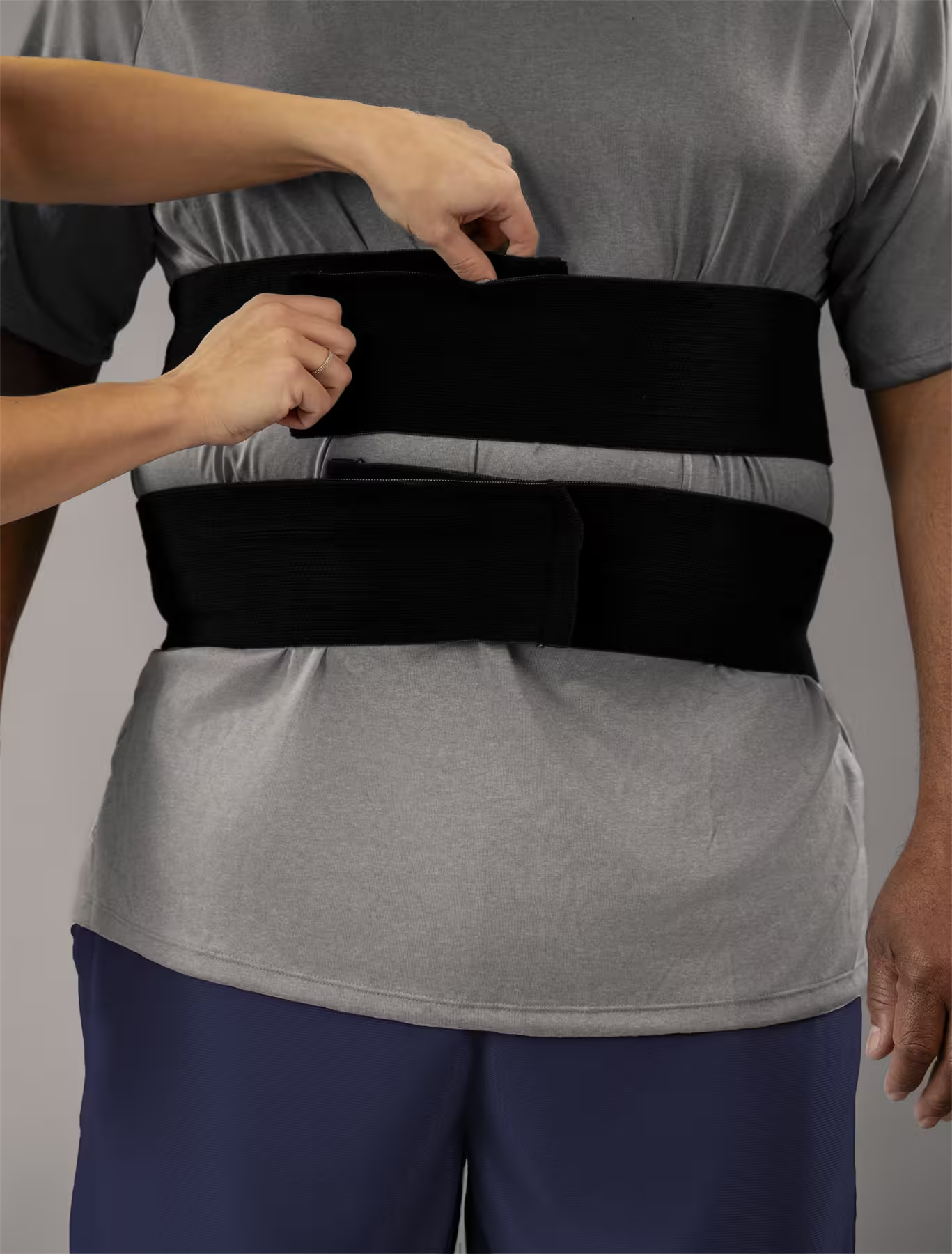
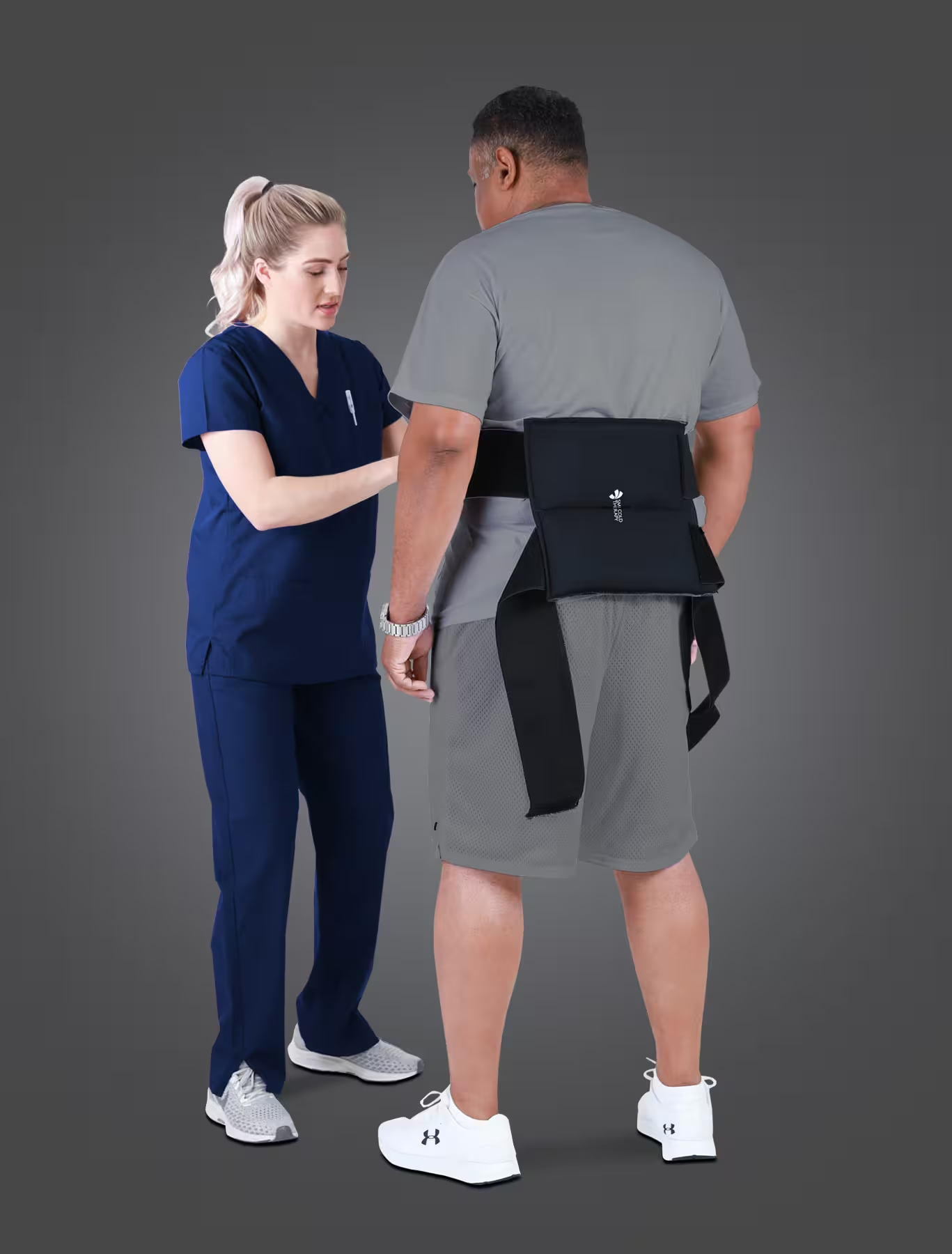
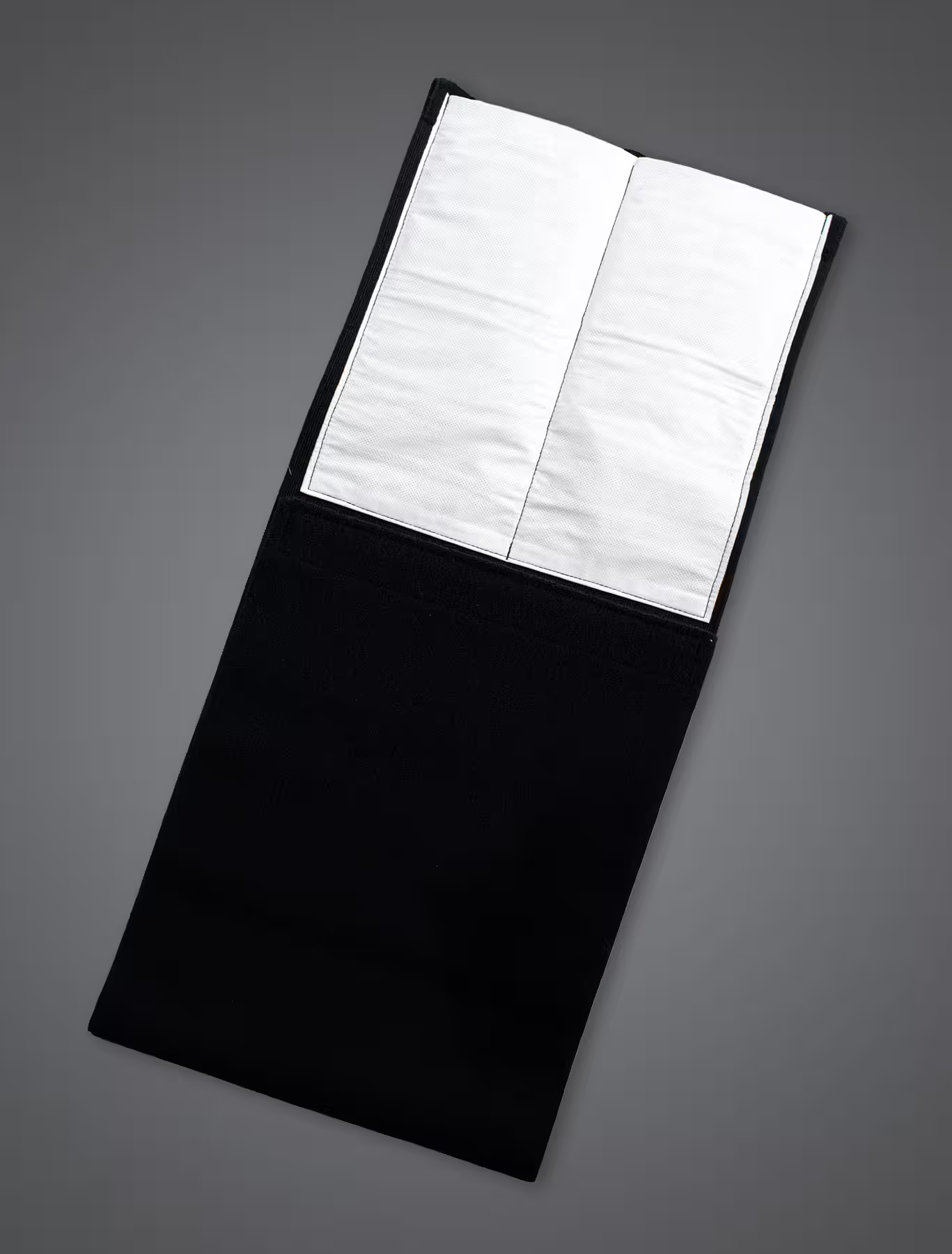
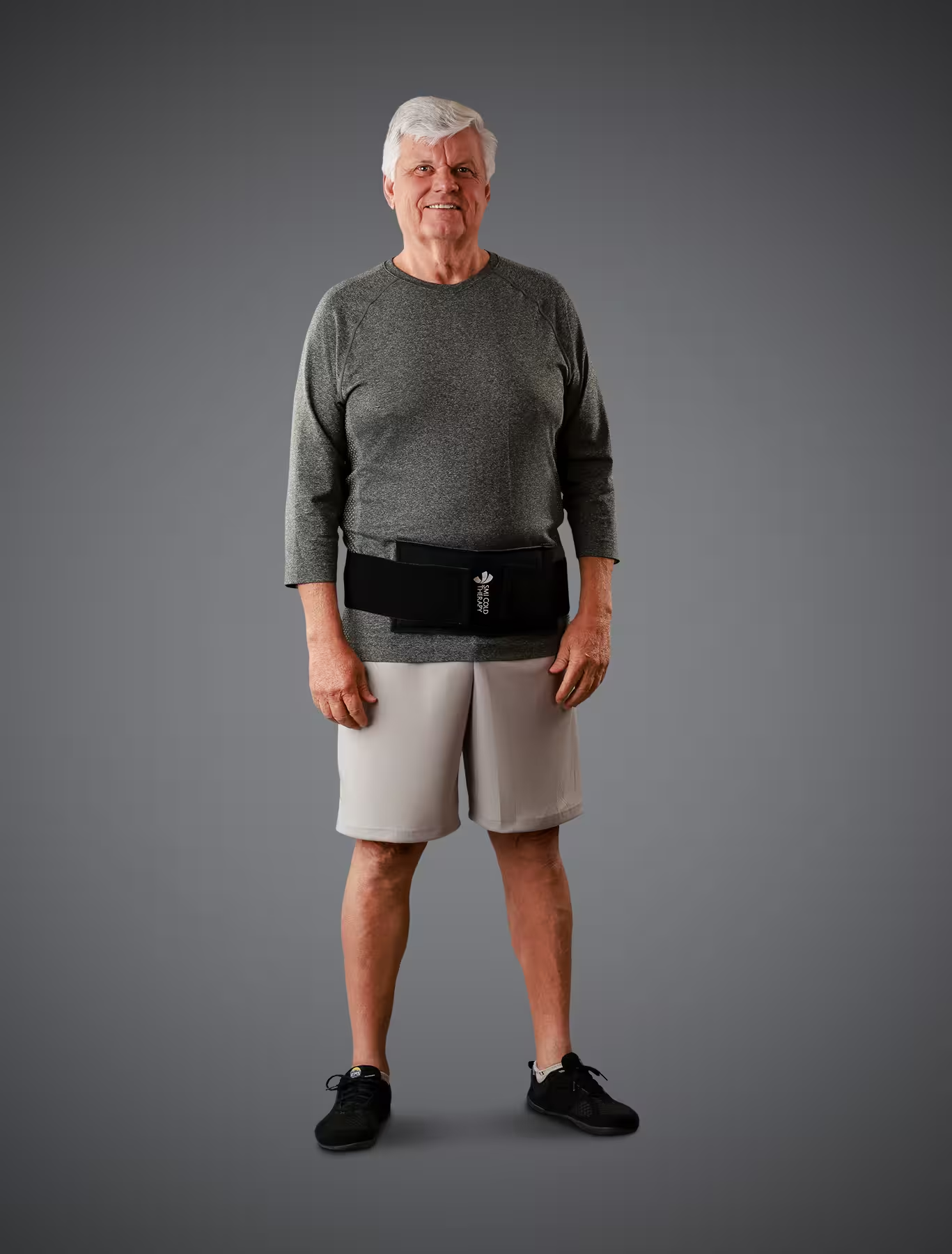
The full back wrap covers a larger surface area than the thoracic style and is often used for lower and mid-back procedures together. The empty back wrap photographed from behind shows the pocket layout before gel packs are added, and the same wrap fully loaded with gel packs shows the finished treatment setup. An angled view of the wrap being worn and a straight-on front view of the same fitting together show how the wrap sits across the torso, while a clinician helping secure the back wrap walks through the application step by step.
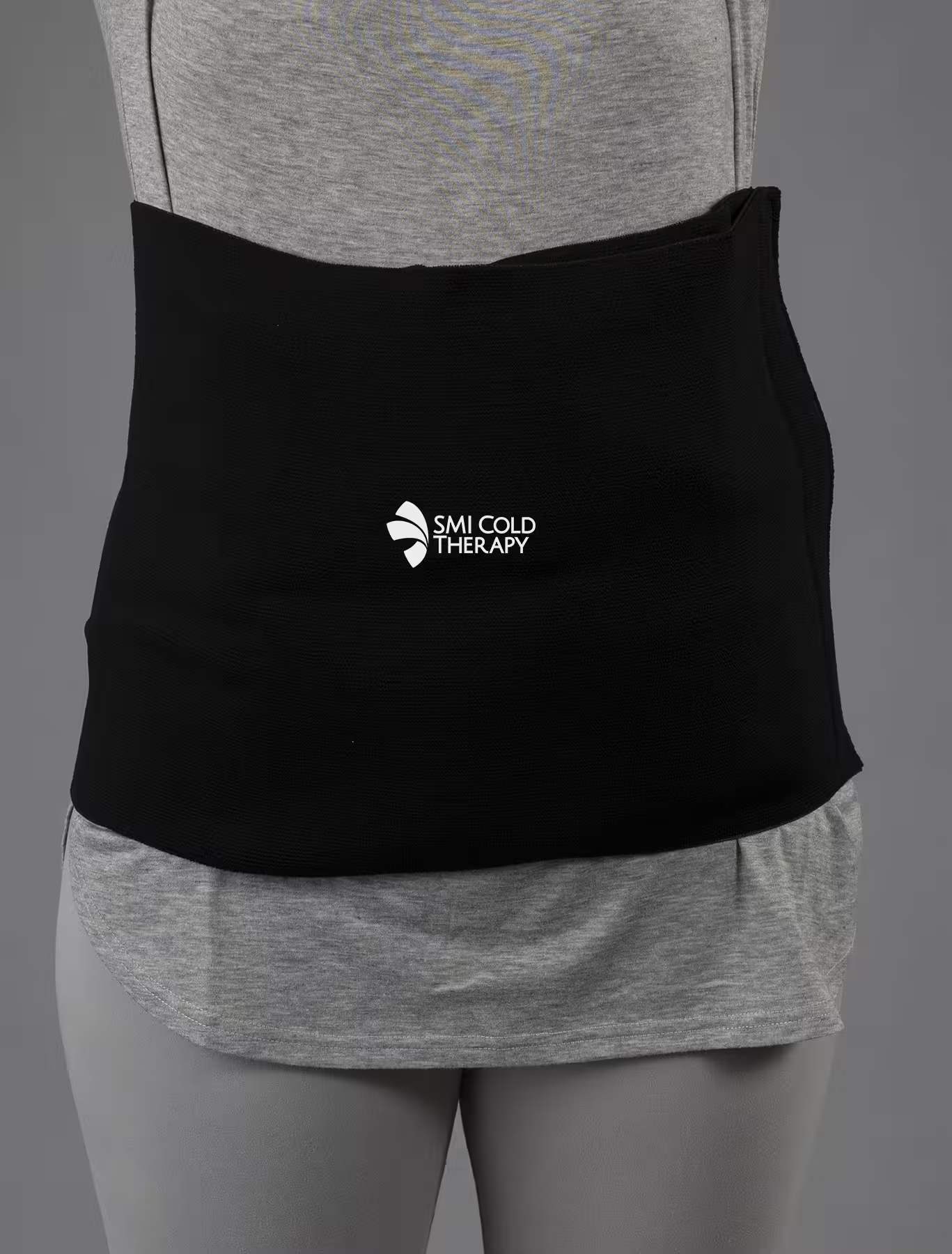
Abdominal surgery patients need compression that supports the incision site without restricting breathing, which is what the ab binder wrap is built for. The binder shown from the back without gel packs shows the closure system, and a close-up view of the binder’s gel pack pockets shows how the inserts sit flat against the abdomen. A nurse positioning the ab binder from behind the patient demonstrates correct placement so the compression stays centered over the incision.
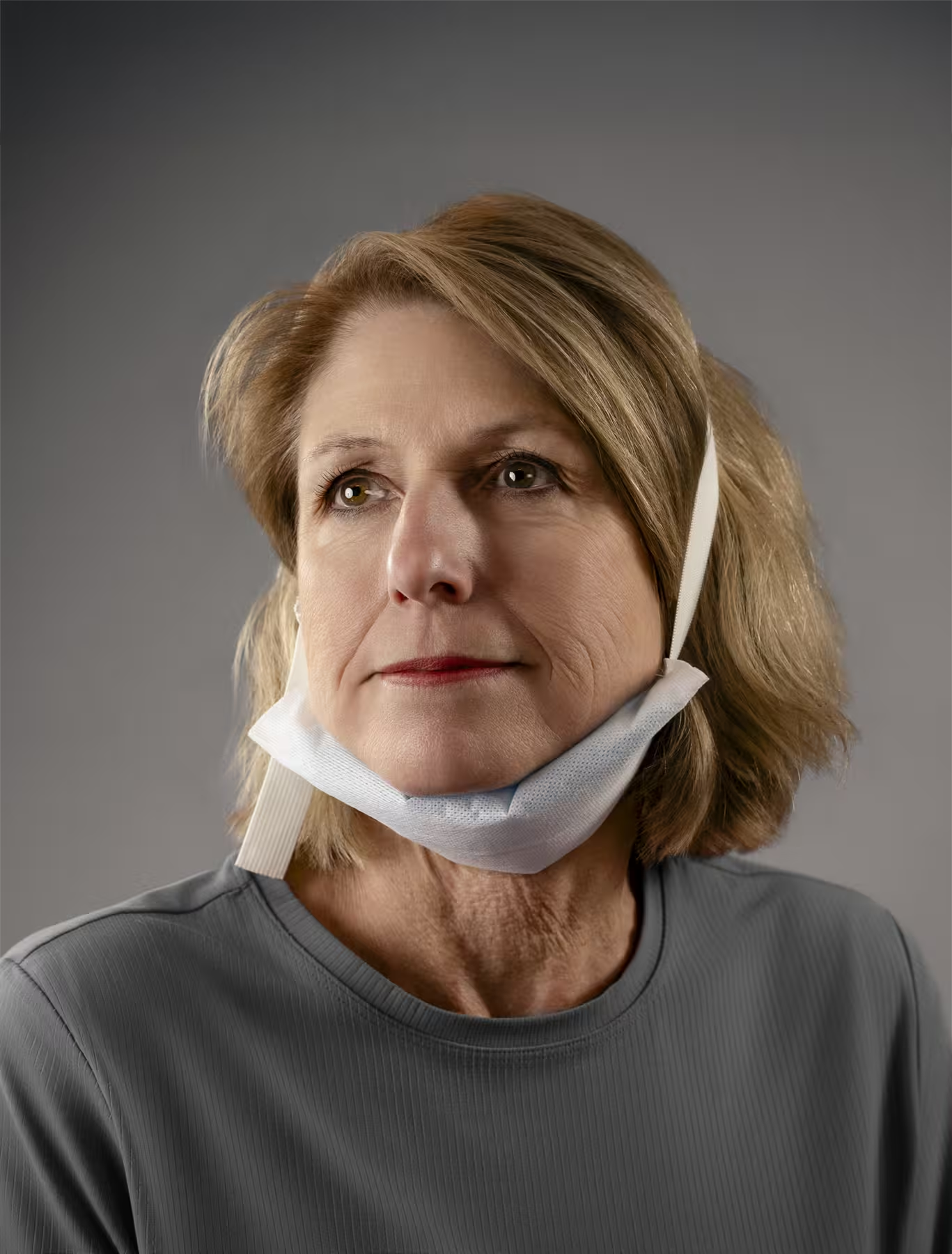
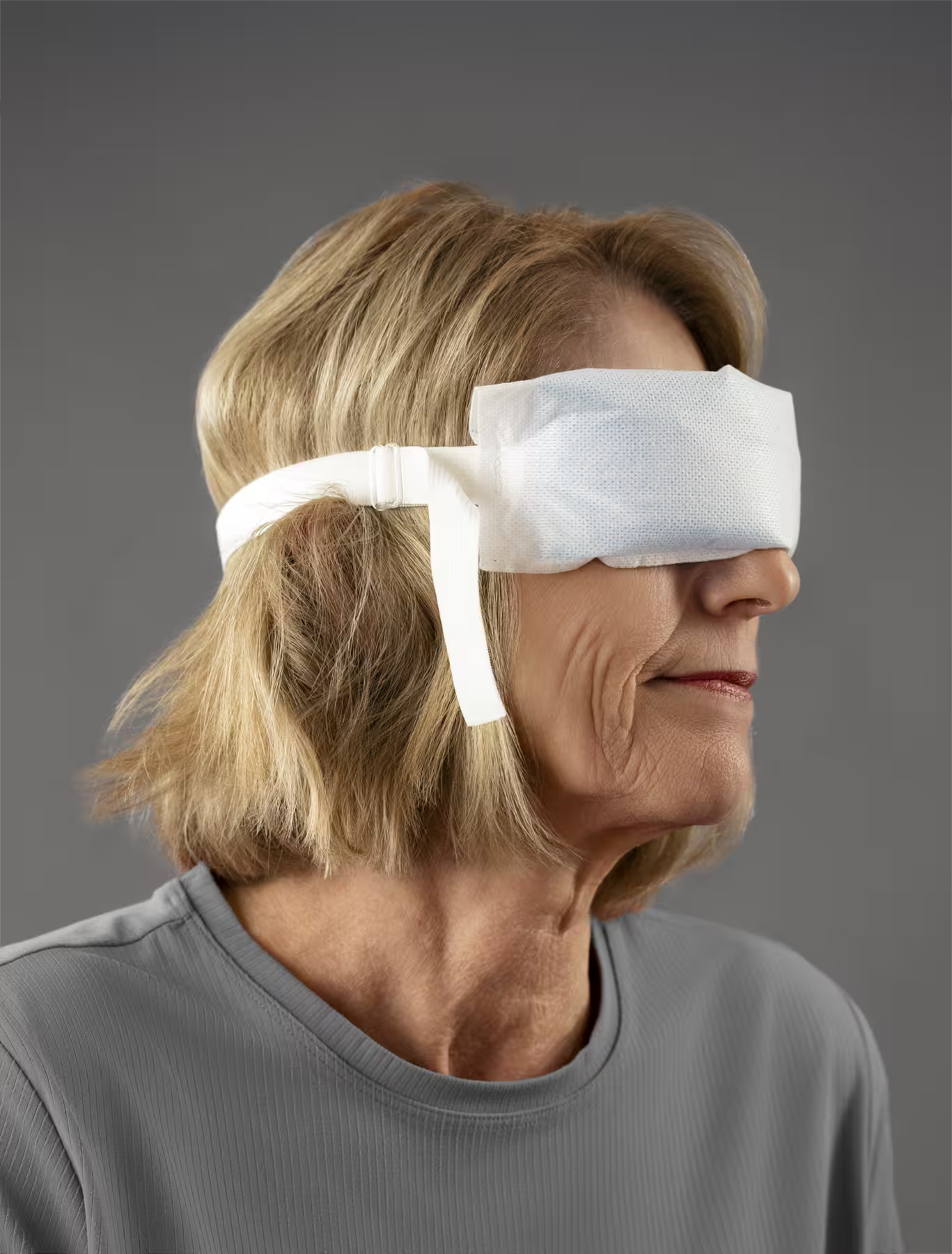
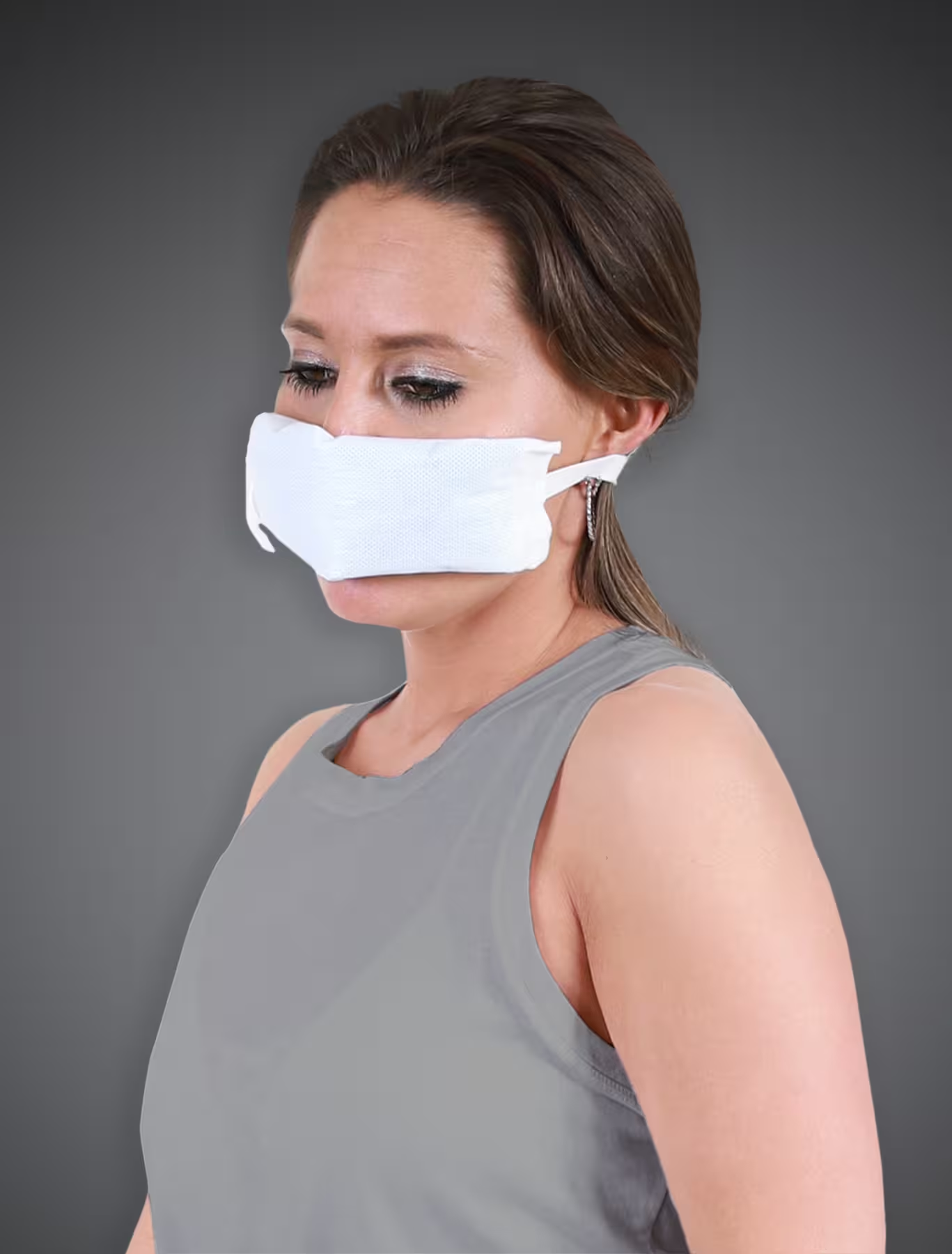
Facial cosmetic and reconstructive procedures benefit from targeted, gentle cold compression around the eyes, cheeks, and jawline. The facial wrap viewed from the back of the head shows how the straps secure without pressing on the ears, while a close-up around the chin and jaw area and a close-up positioned over the eyes show the two most common placement zones. A front view of the wrap fully in place and a detail shot covering the nose and upper lip area round out the fit across the whole face.
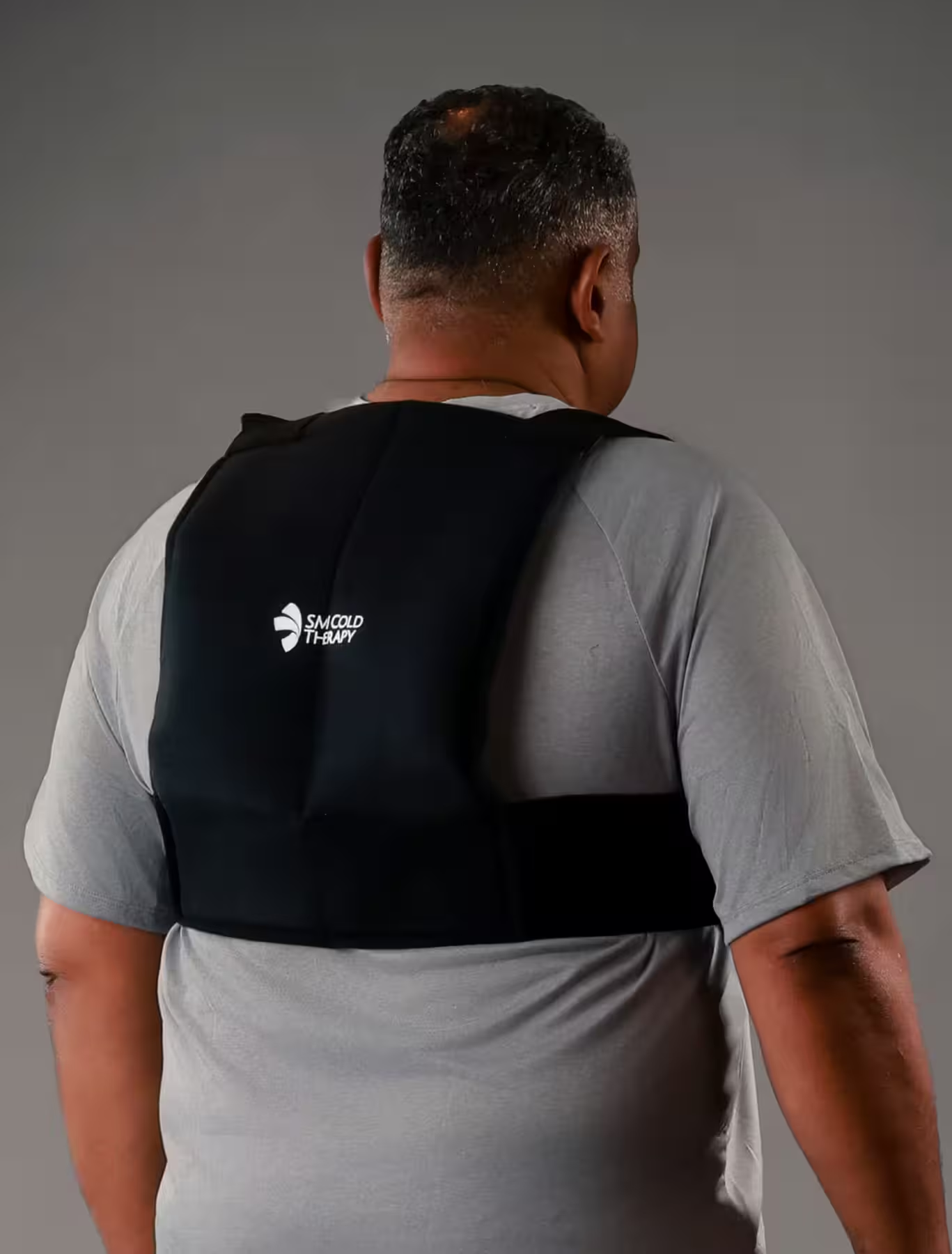
For patients who need broader torso cooling rather than a single targeted zone, the cold vest distributes gel packs evenly across the chest and back. The vest shown from behind with its pack pockets visible illustrates the layout, and a patient wearing the vest during treatment shows the fit in everyday use. Because the fabric has some give, the vest stretched to show its flexible panel construction demonstrates how it accommodates different body sizes without losing compression.
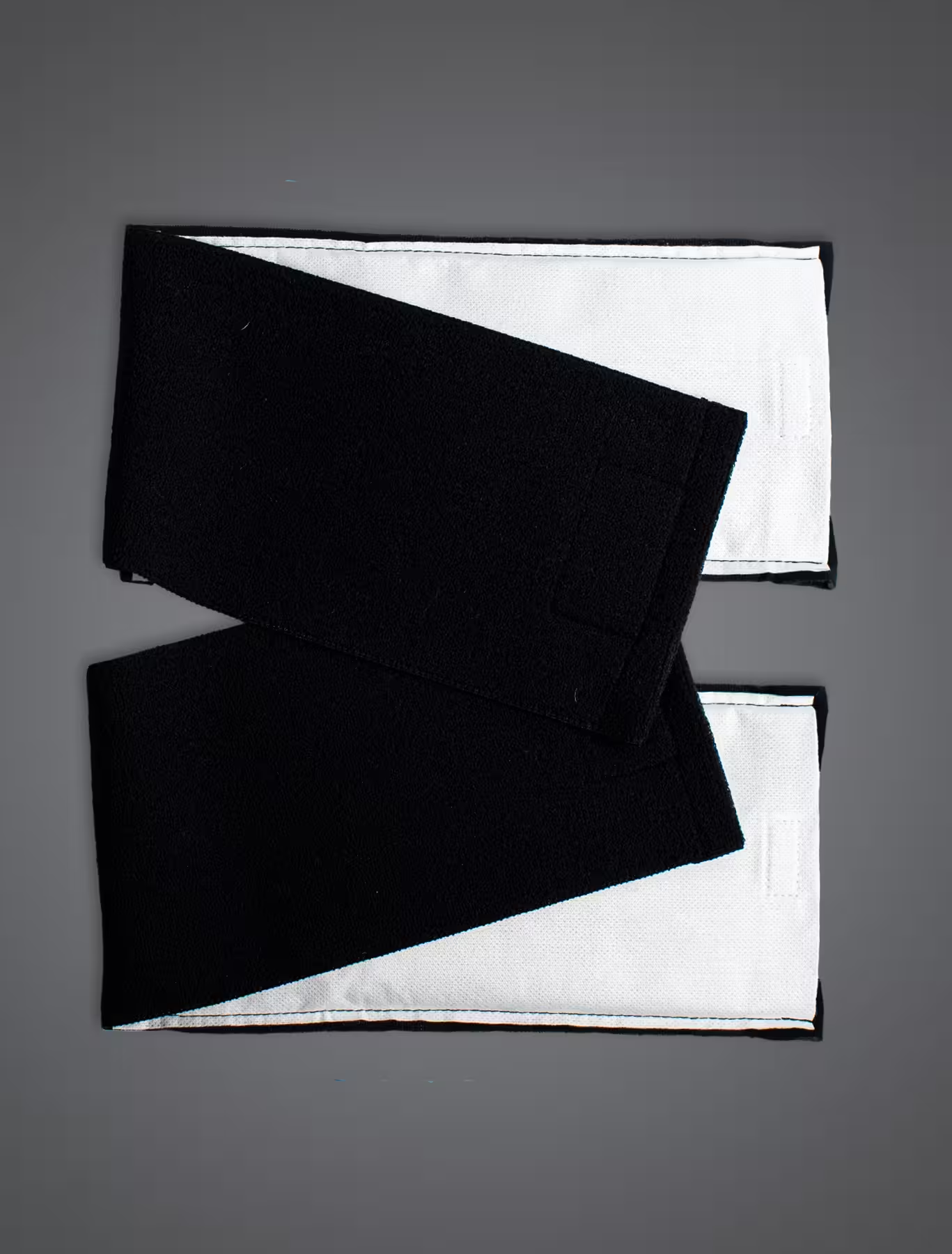
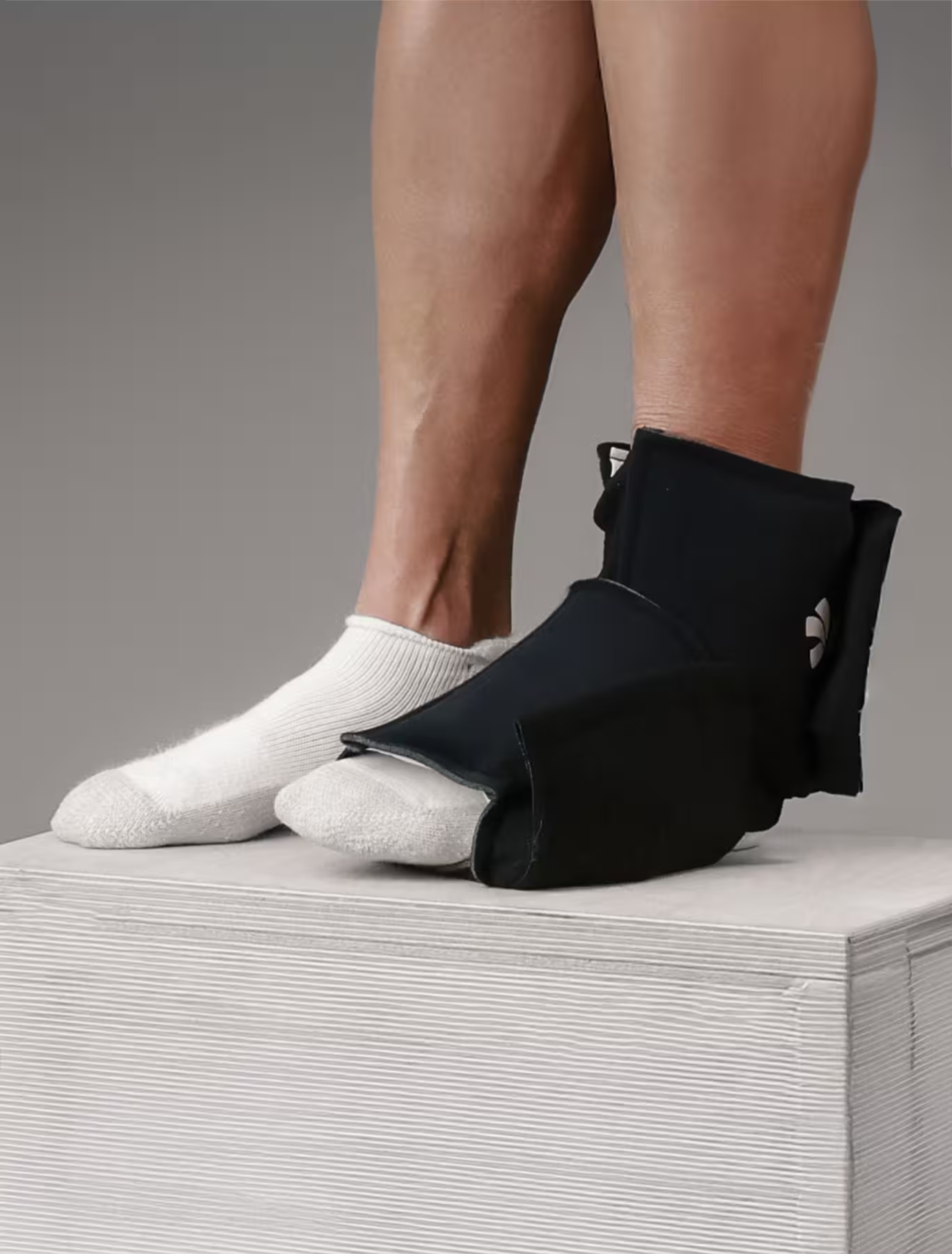
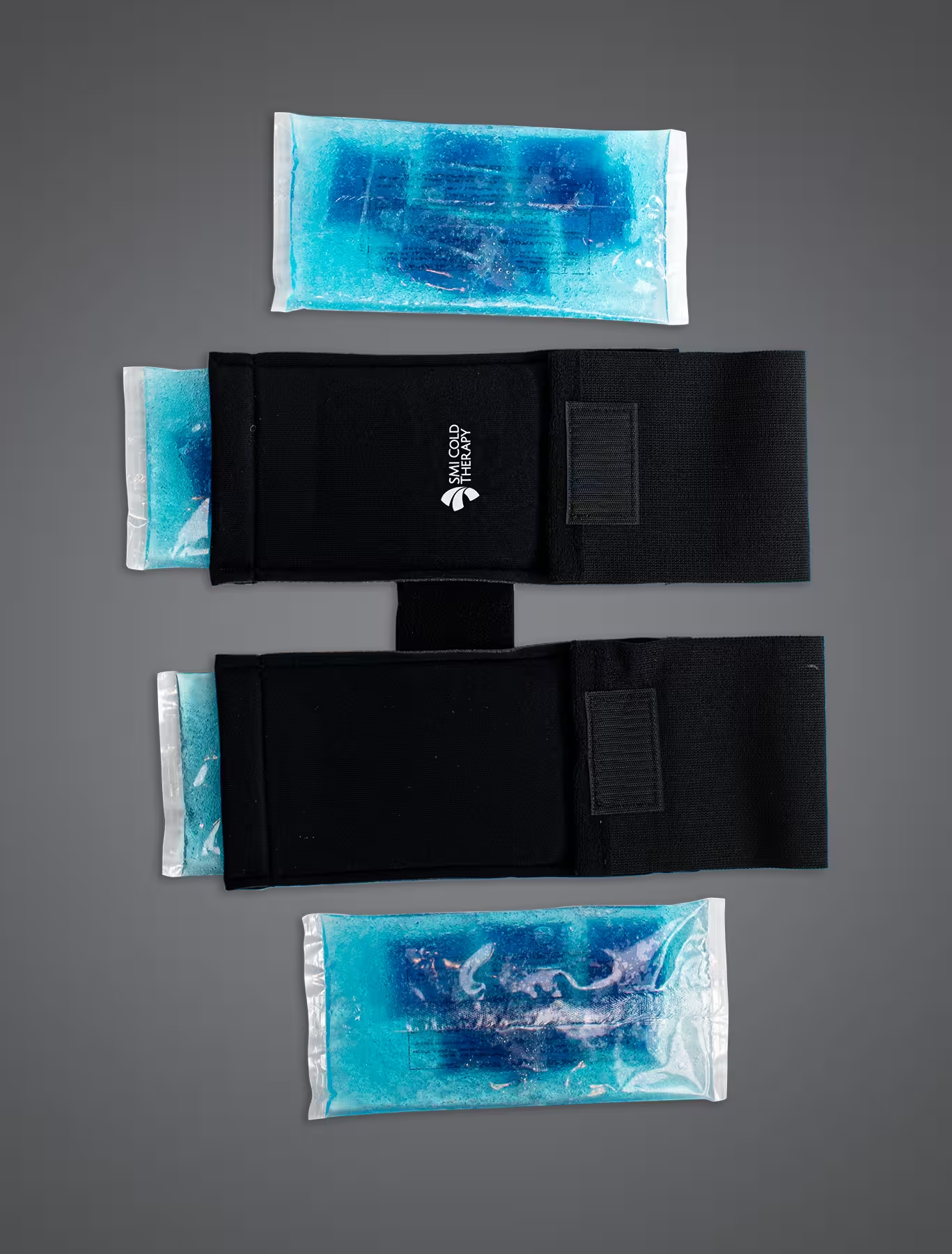
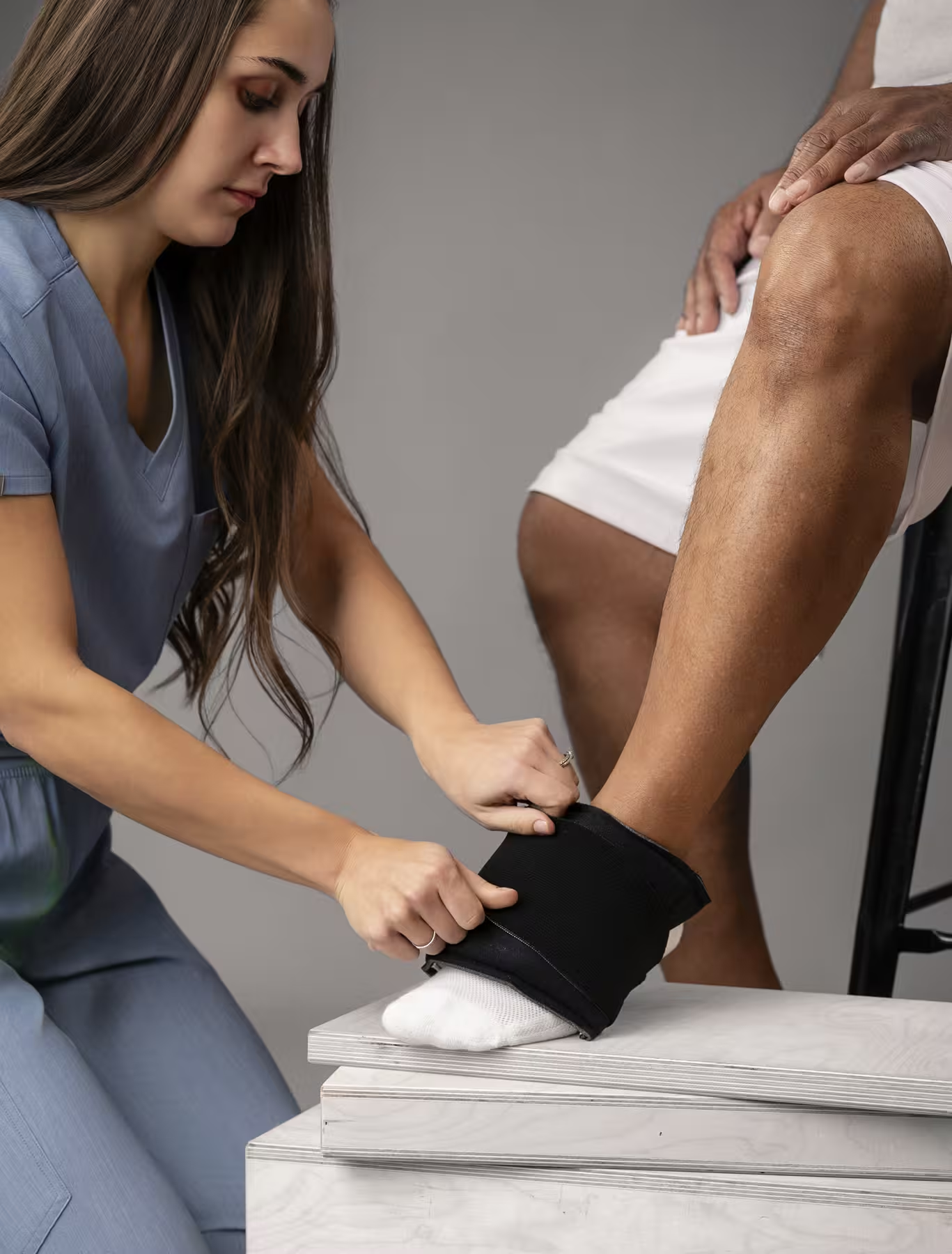
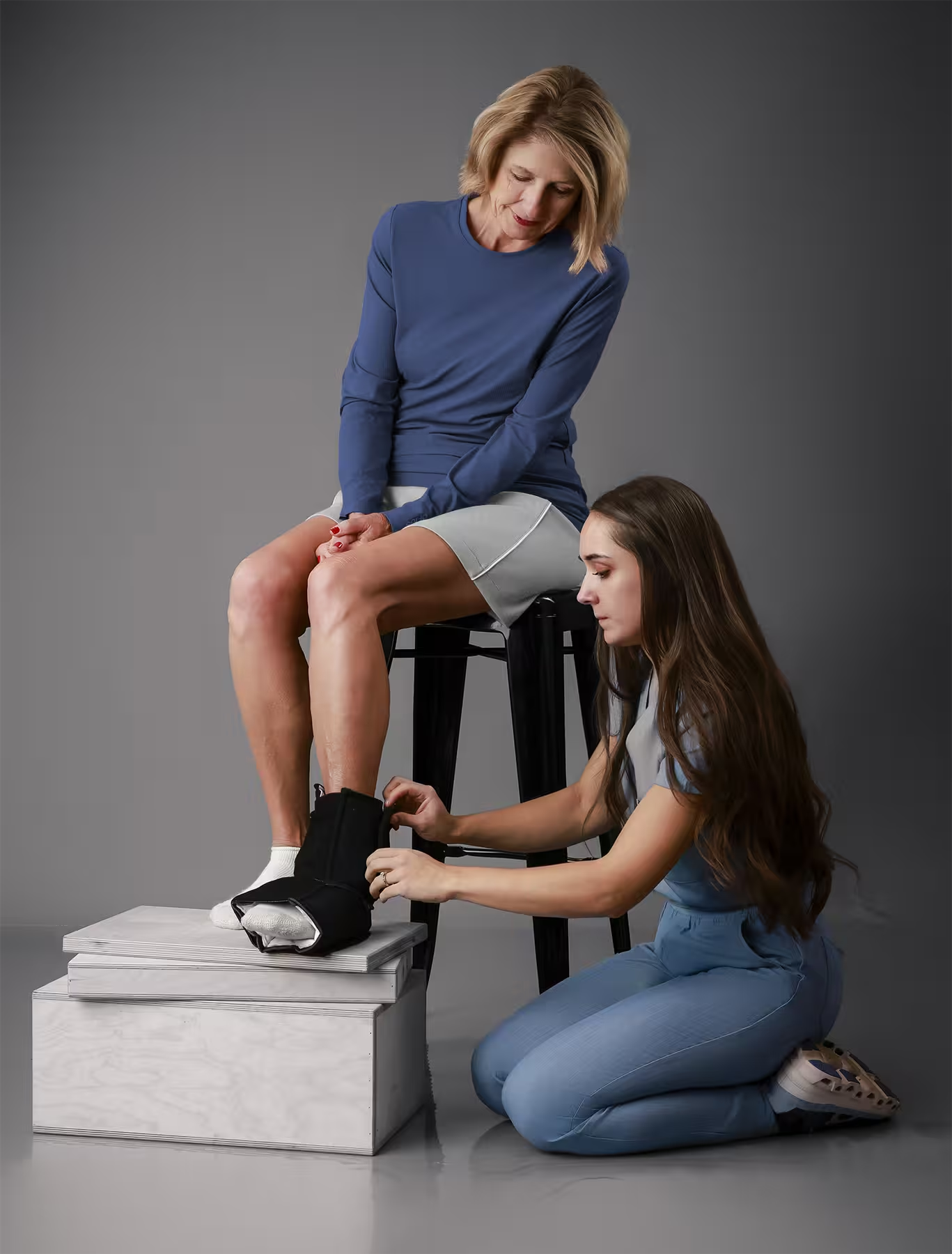
Ankle sprains, foot surgeries, and plantar procedures all call for a wrap that can flex with the joint. A close-up view of the wrap applied directly over the foot shows the fit around the arch and ankle, and the wrap photographed from the back without gel packs shows the strap system before a pack is added. Another close-up of the foot and ankle wrap in place and a front view loaded with gel packs together show the full range of motion the wrap allows once treatment begins.
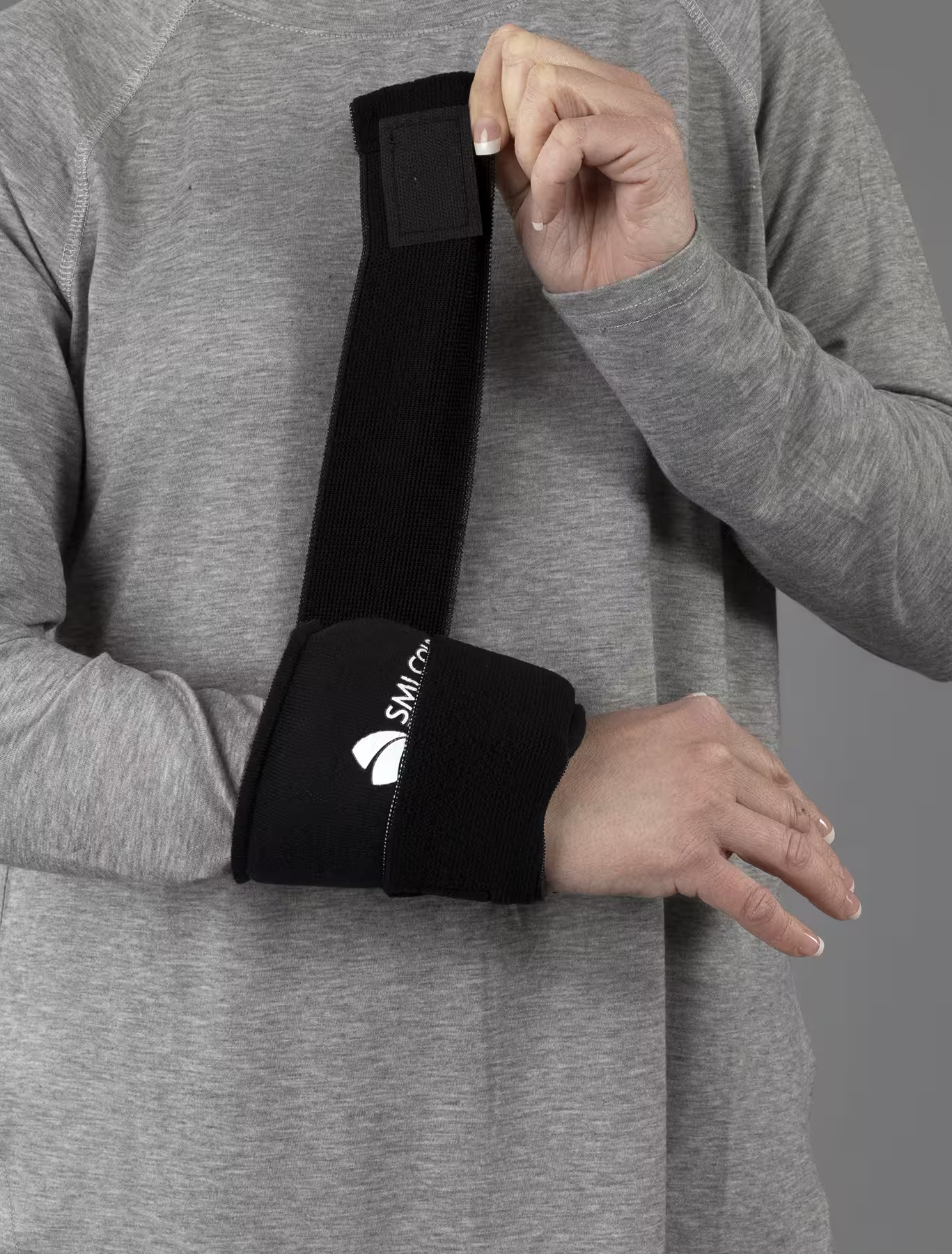
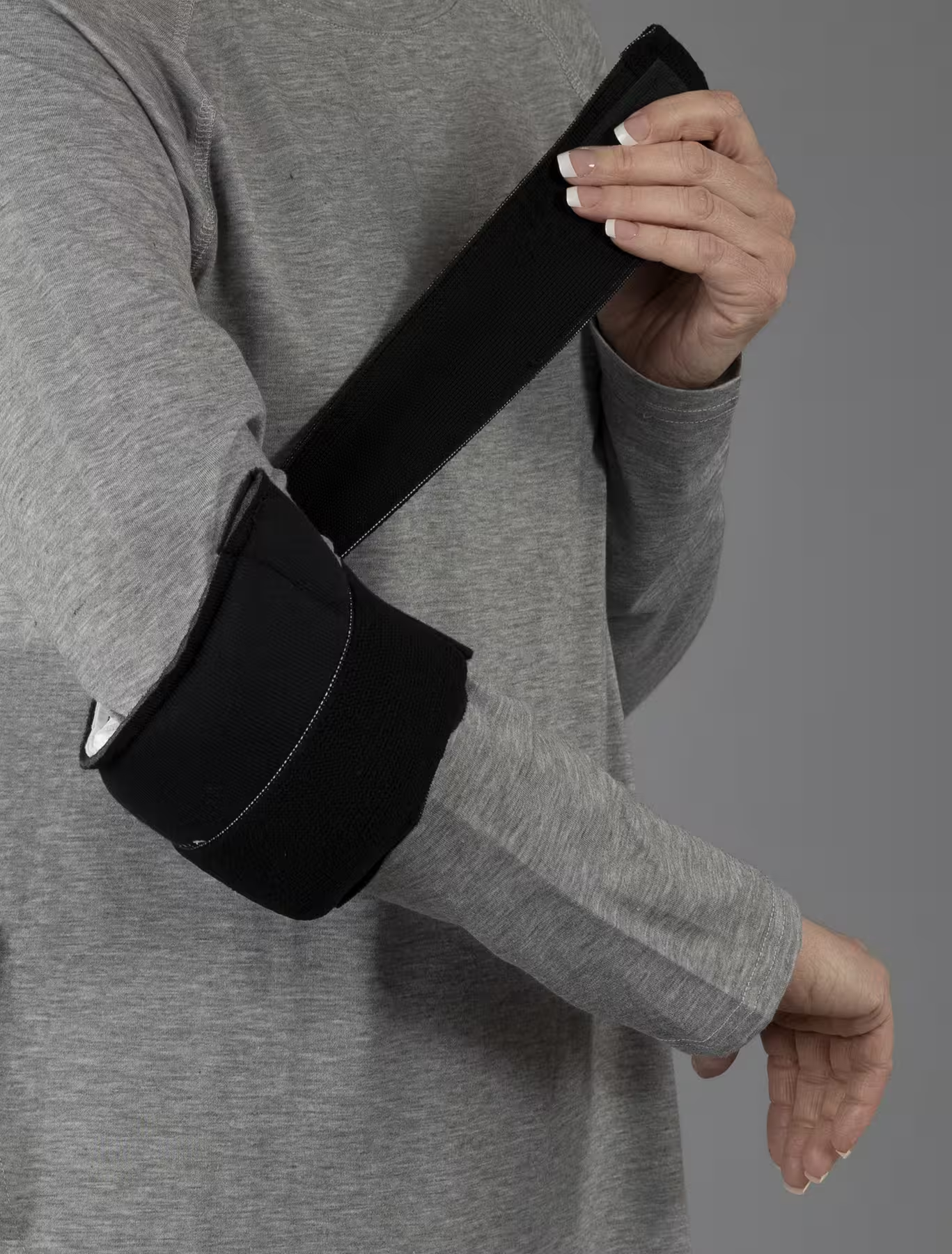
Smaller joints need their own dedicated wrap shape, which is where our hand, wrist, and elbow (HWE) line comes in. A close-up of the wrap applied to the hand shows how the fabric contours around the knuckles and wrist, while a close-up of the same wrap style on the elbow shows the version sized for larger joints. A clinician helping a patient secure the hand wrap shows the typical fitting process for this line.
When a treatment area is too large for a single joint-specific wrap, the LAG wrap is built to span it. A close-up of the LAG wrap’s pocket construction shows the panel layout, and a full-body view of the wrap in use shows just how much surface area it covers. Loaded for treatment, the wrap holds its full set of gel packs here, and a second angle of the loaded wrap shows the fit from the side. A nurse assisting with the LAG wrap fitting completes the picture of how it’s applied in a clinical setting.
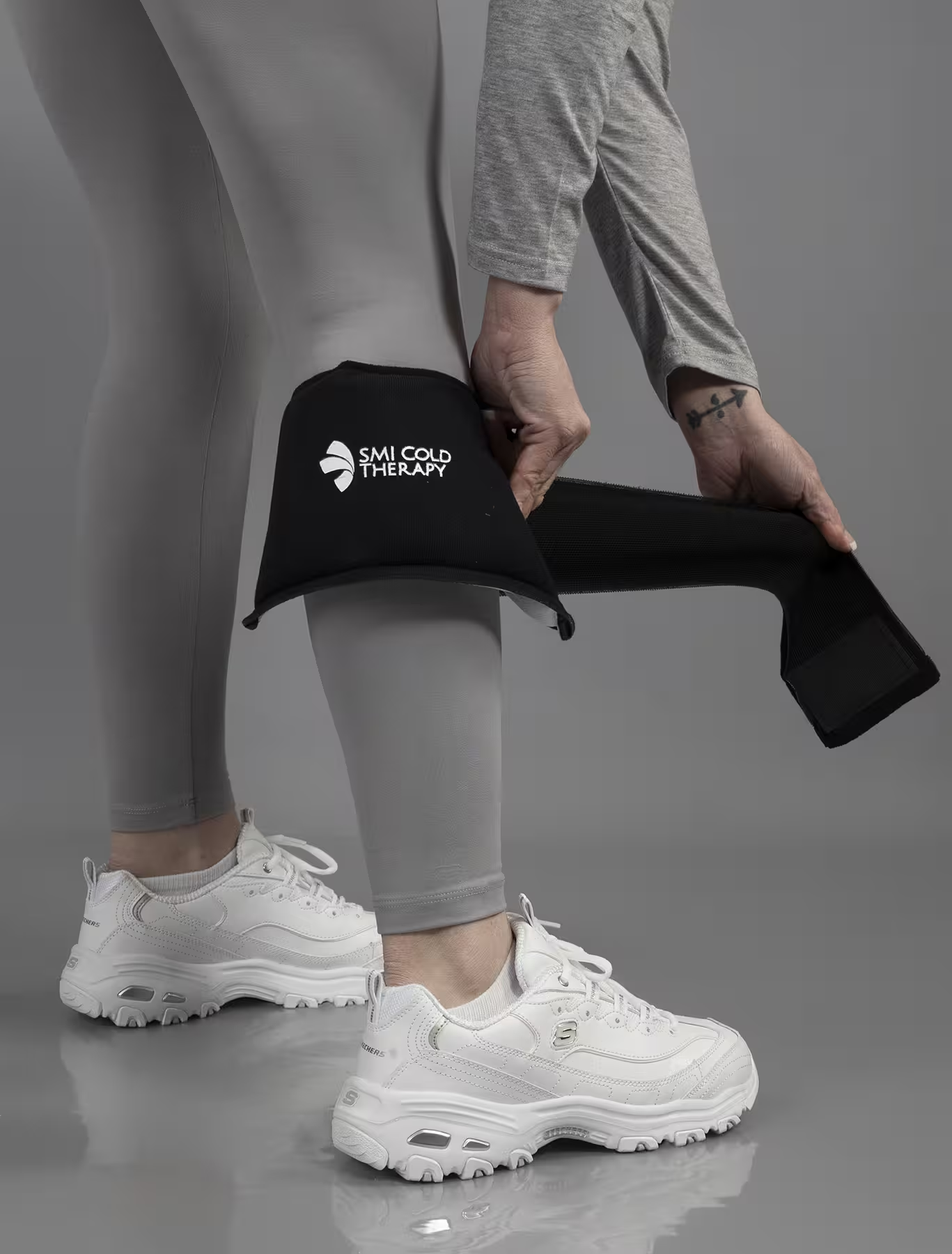
Not every clinic wants to stock a different wrap for every joint, which is why the Universal wrap is designed to adapt to several body areas with one adjustable design. A close-up of the Universal wrap’s adjustable fastening system shows how it cinches down for a snug fit, and the wrap shown from the back without gel packs shows the base construction. Loaded with packs, it looks like this in a scaled front view. It works just as well lower on the body, as shown by a nurse applying it directly to the foot and a fitting demonstrated on the calf.
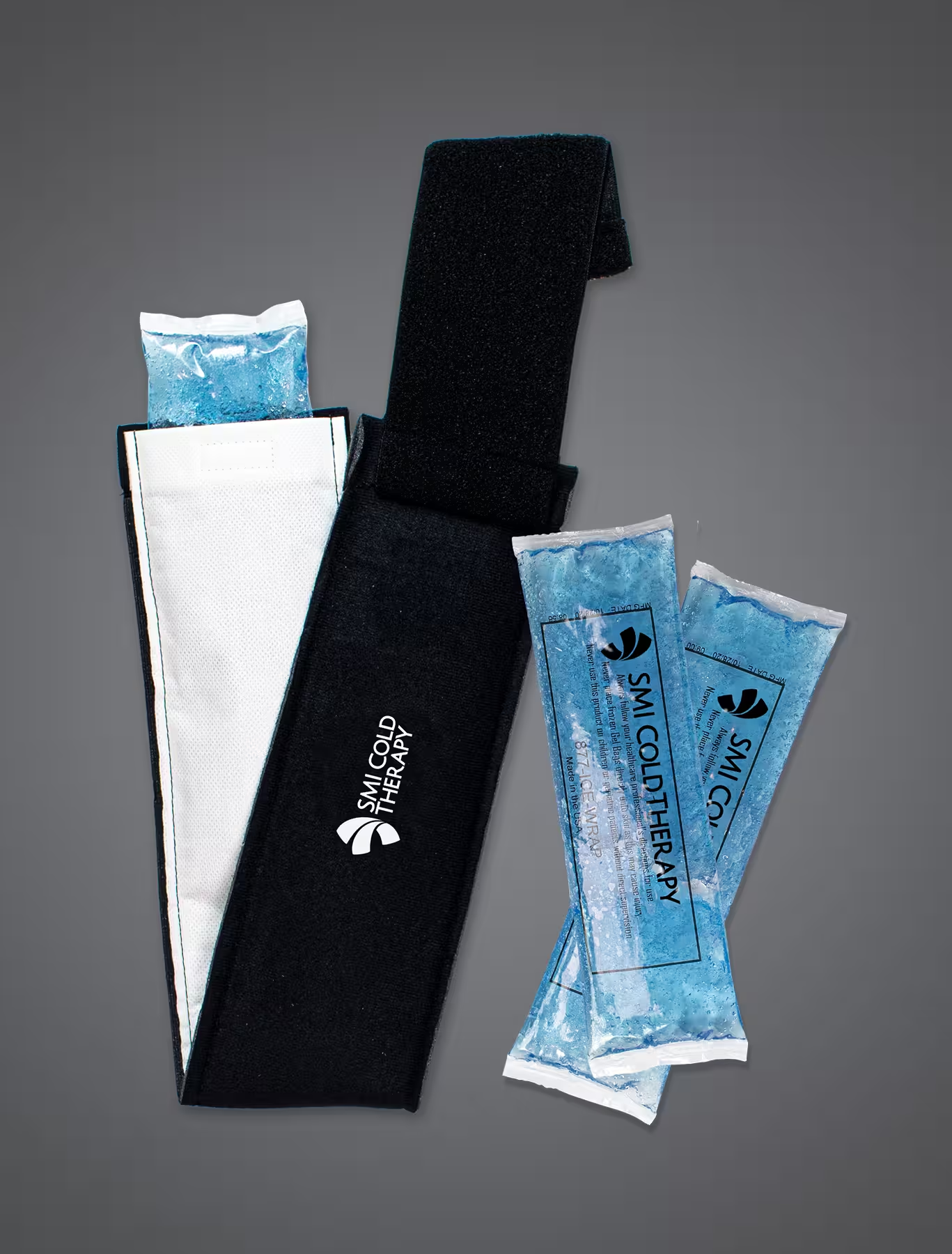
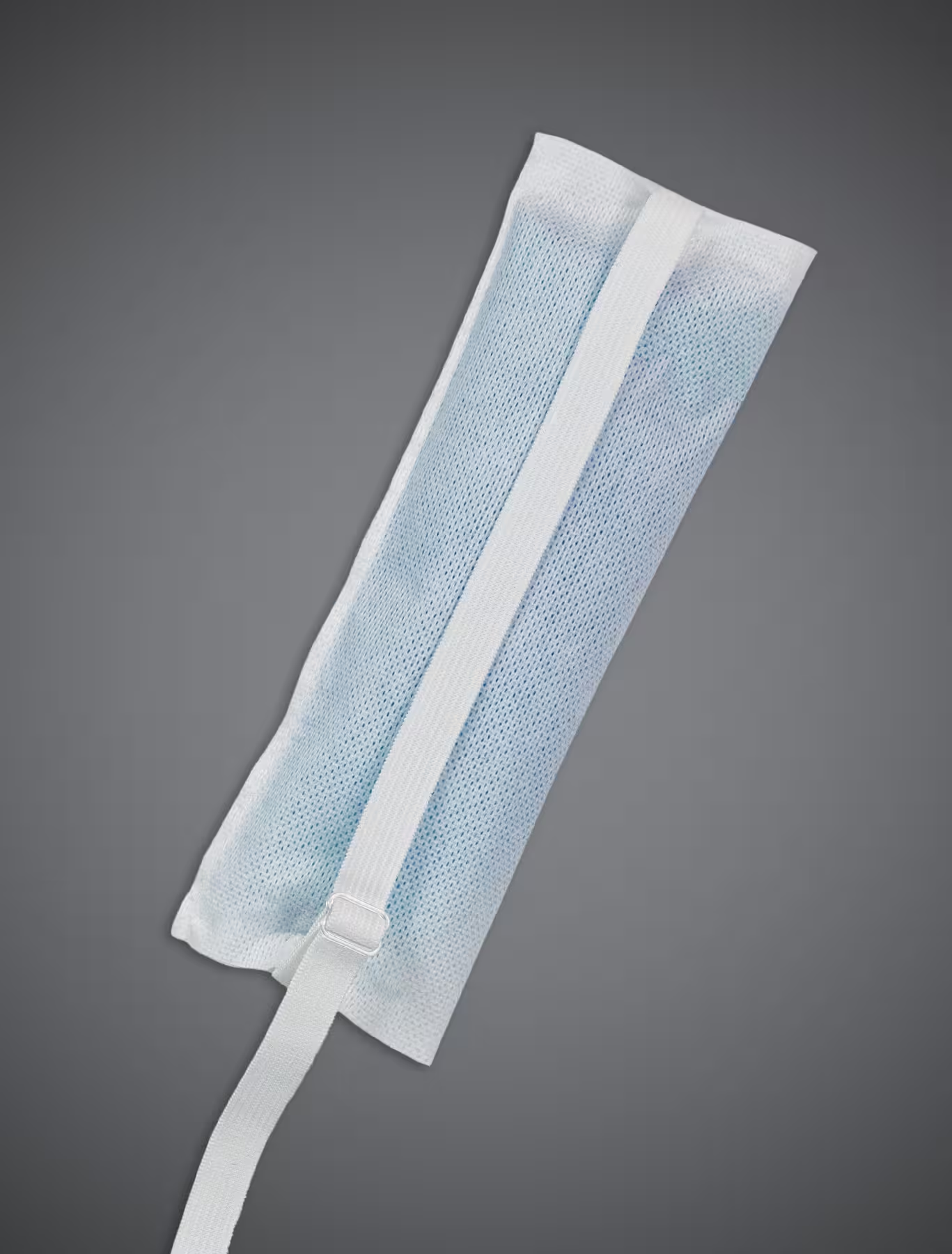
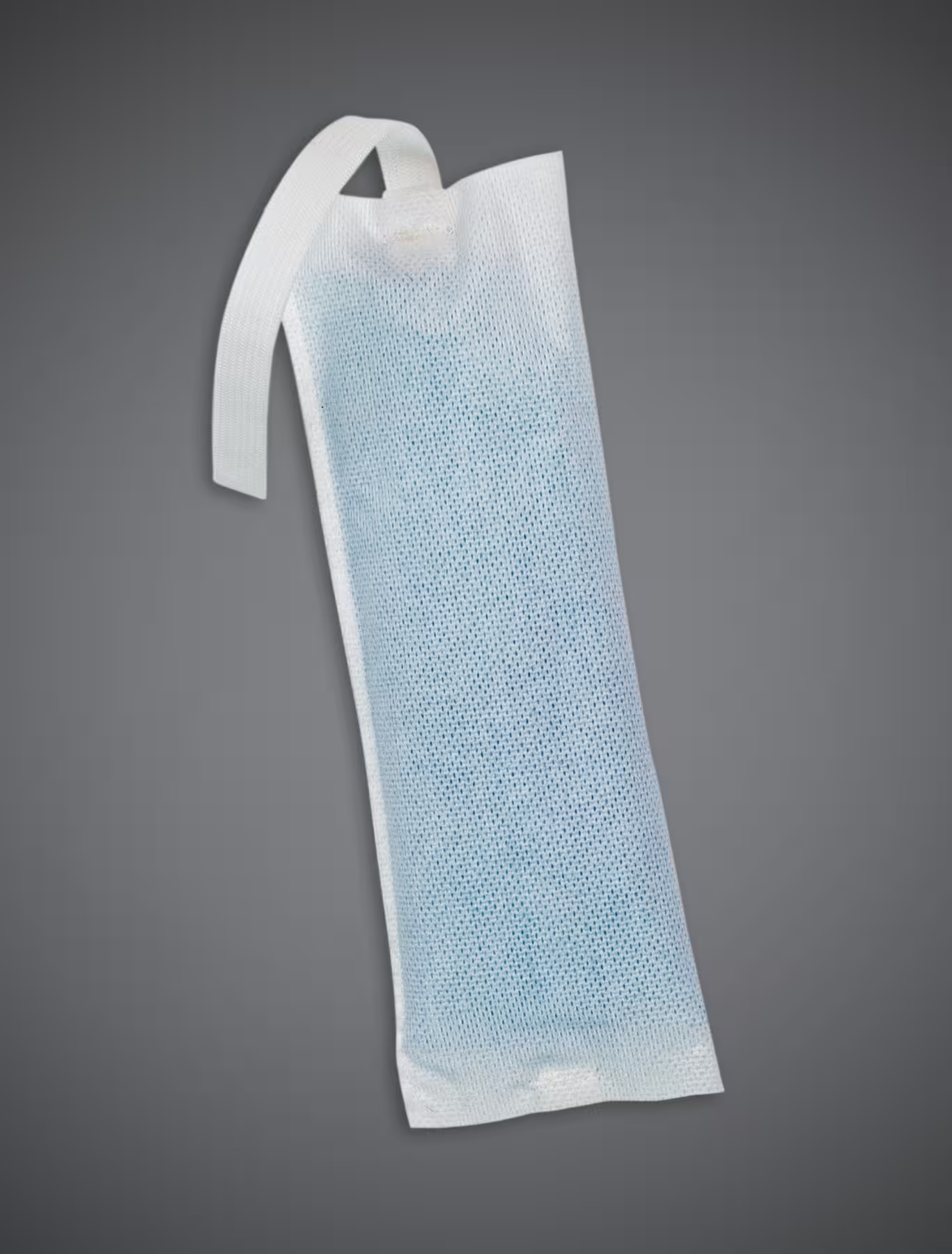
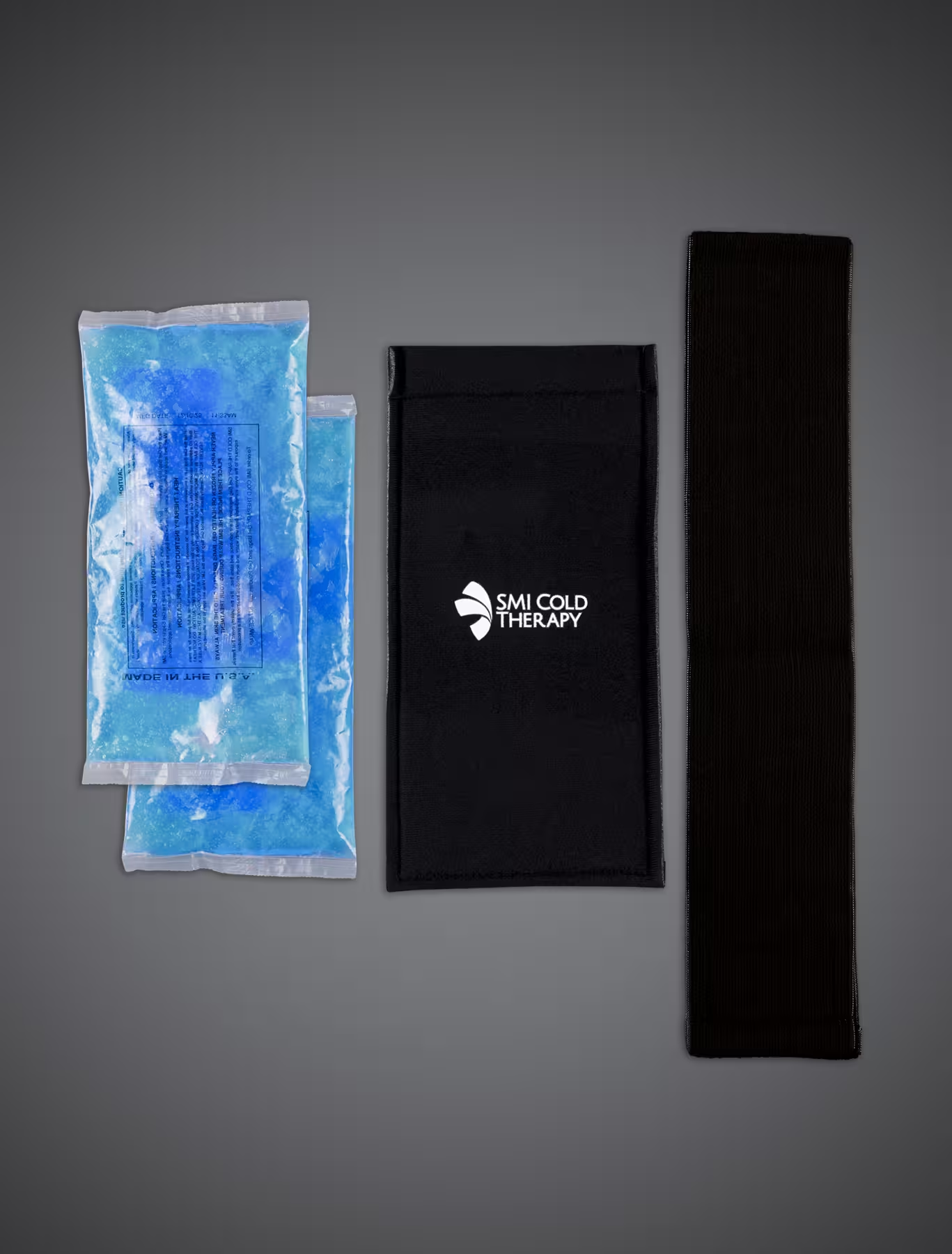
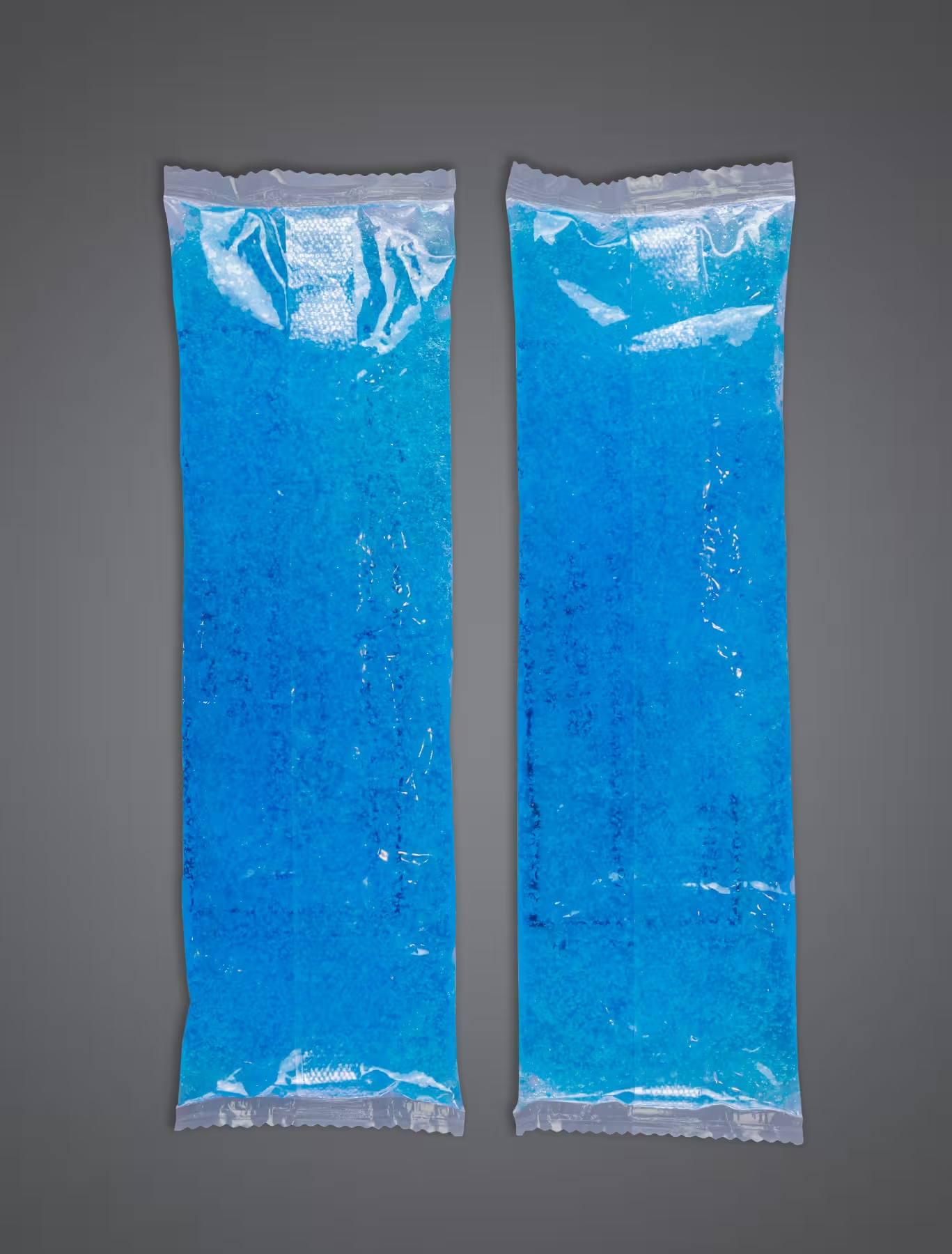
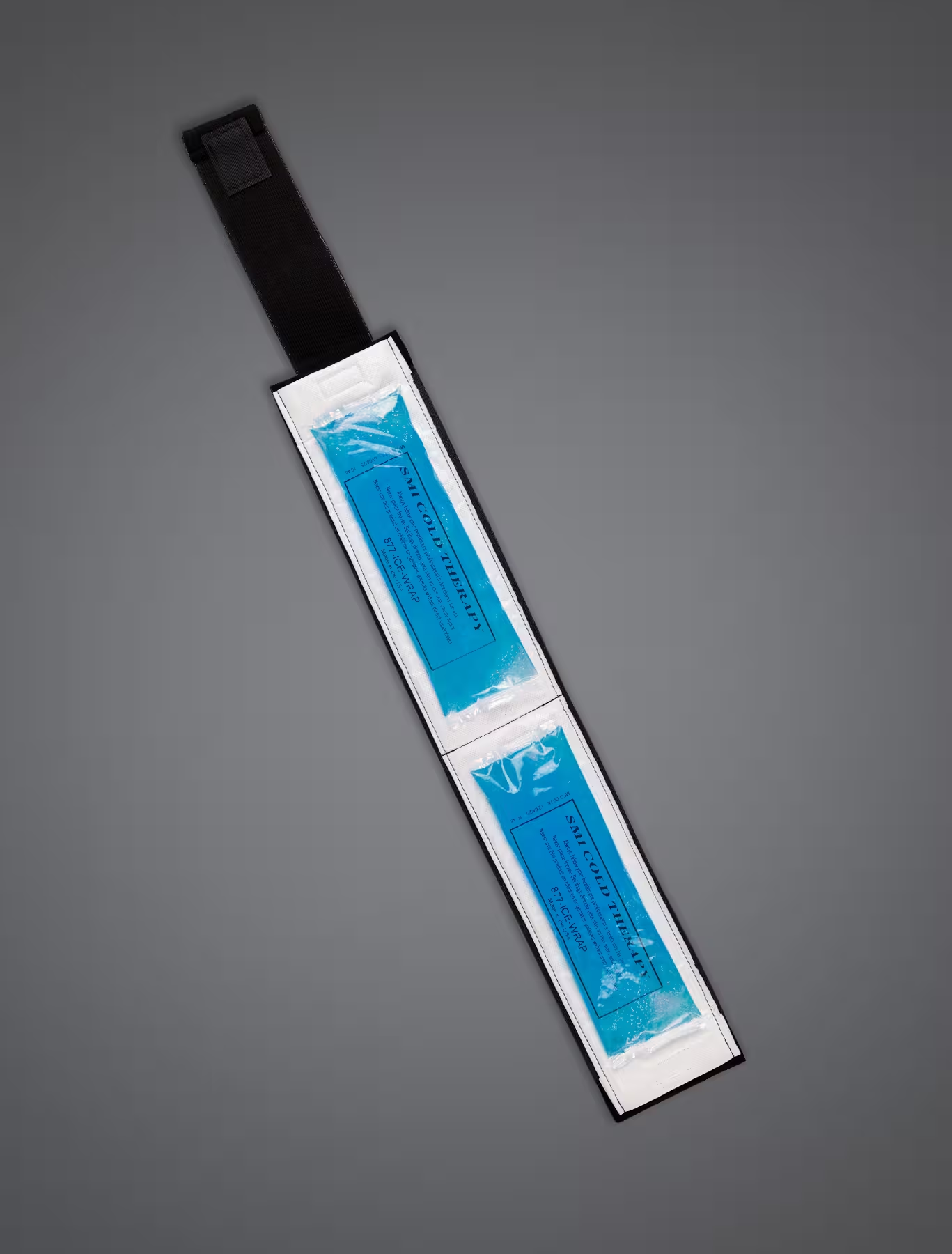
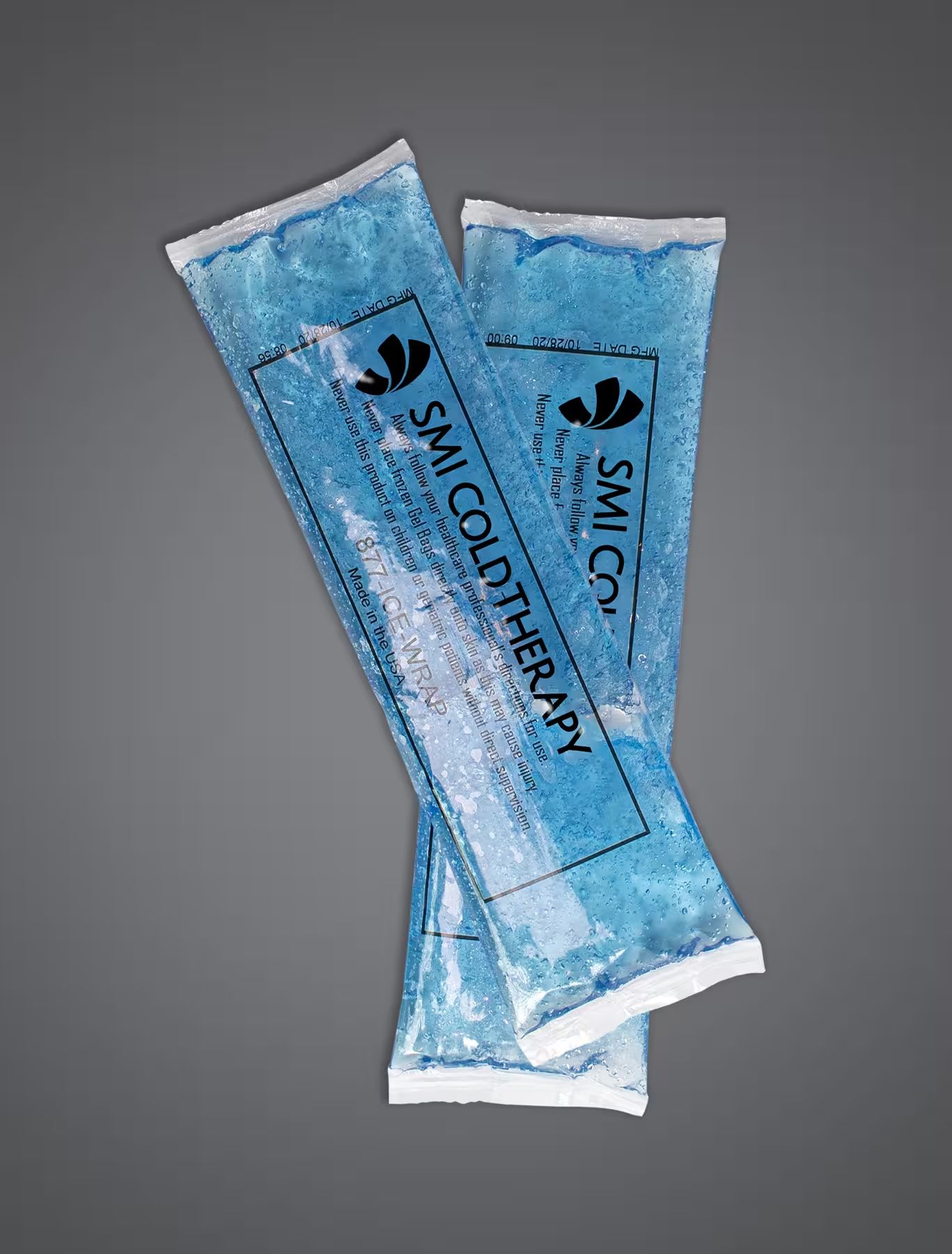
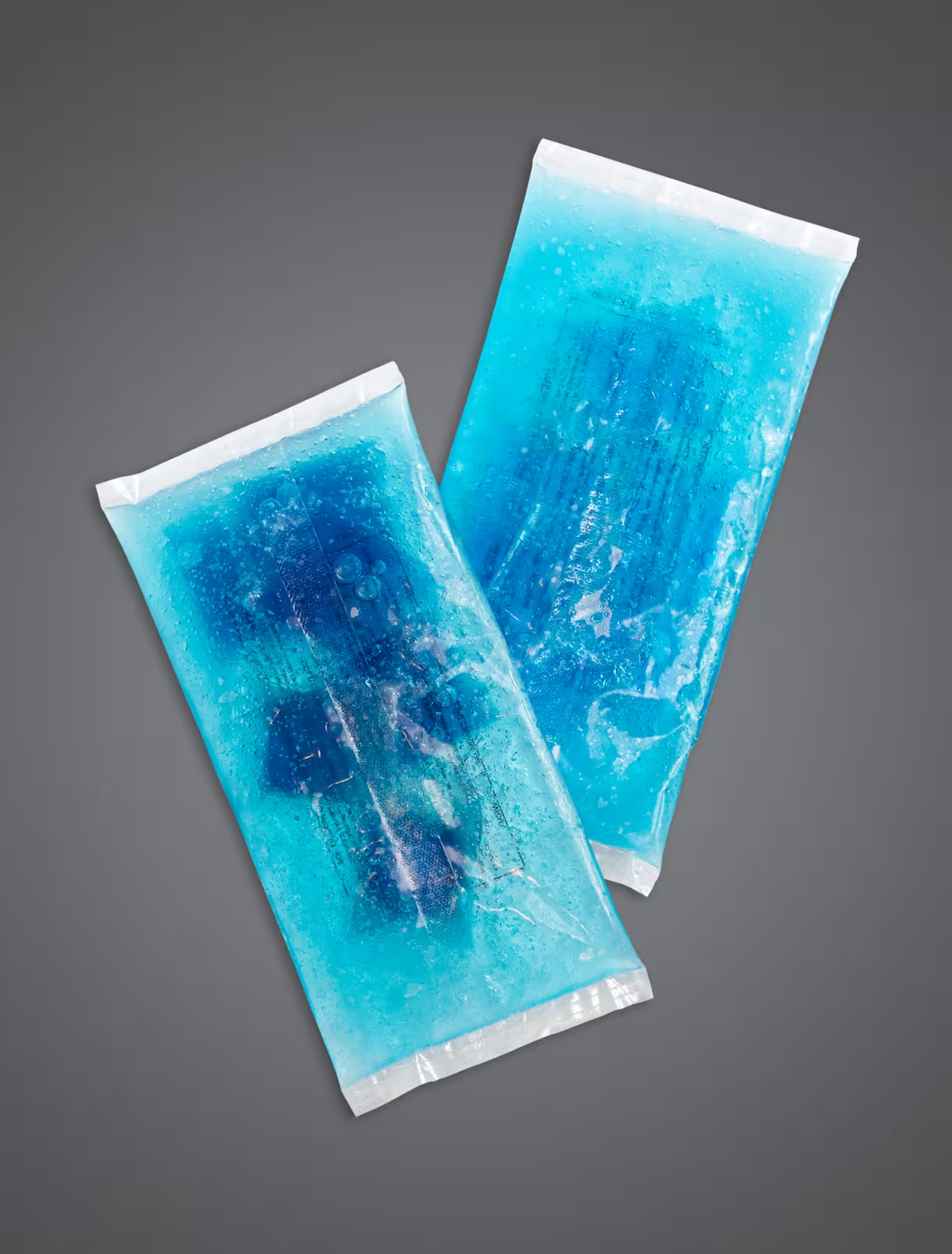
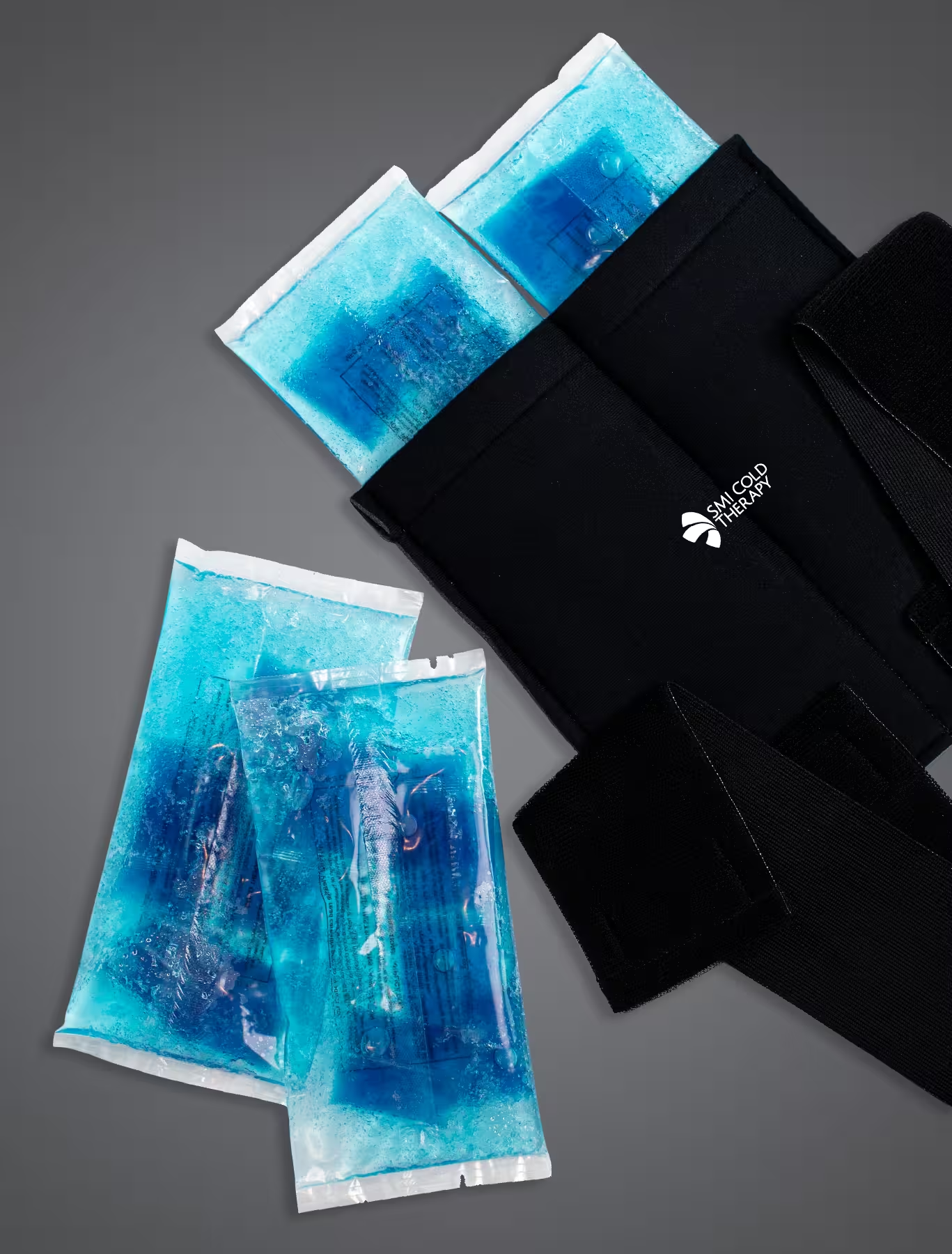
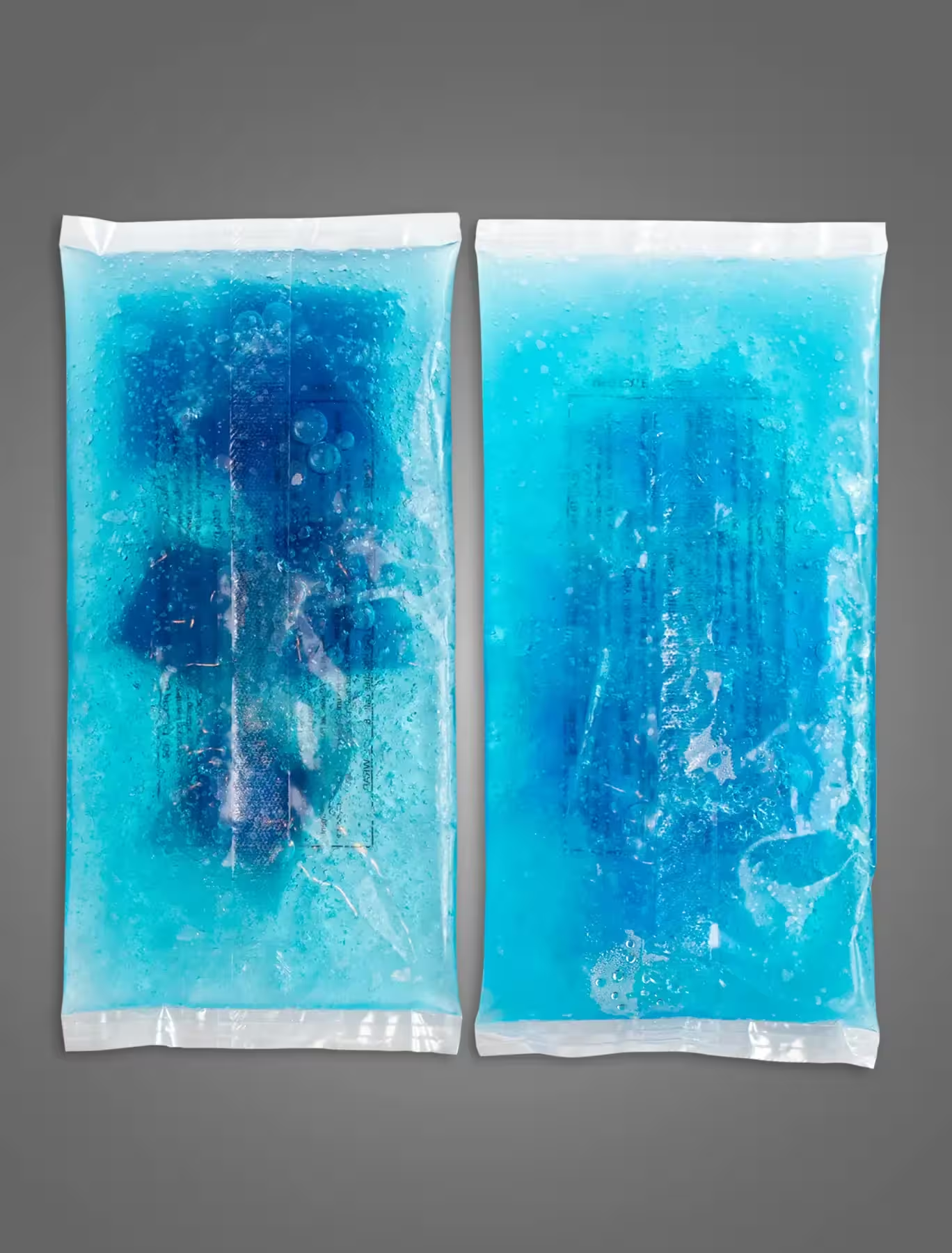
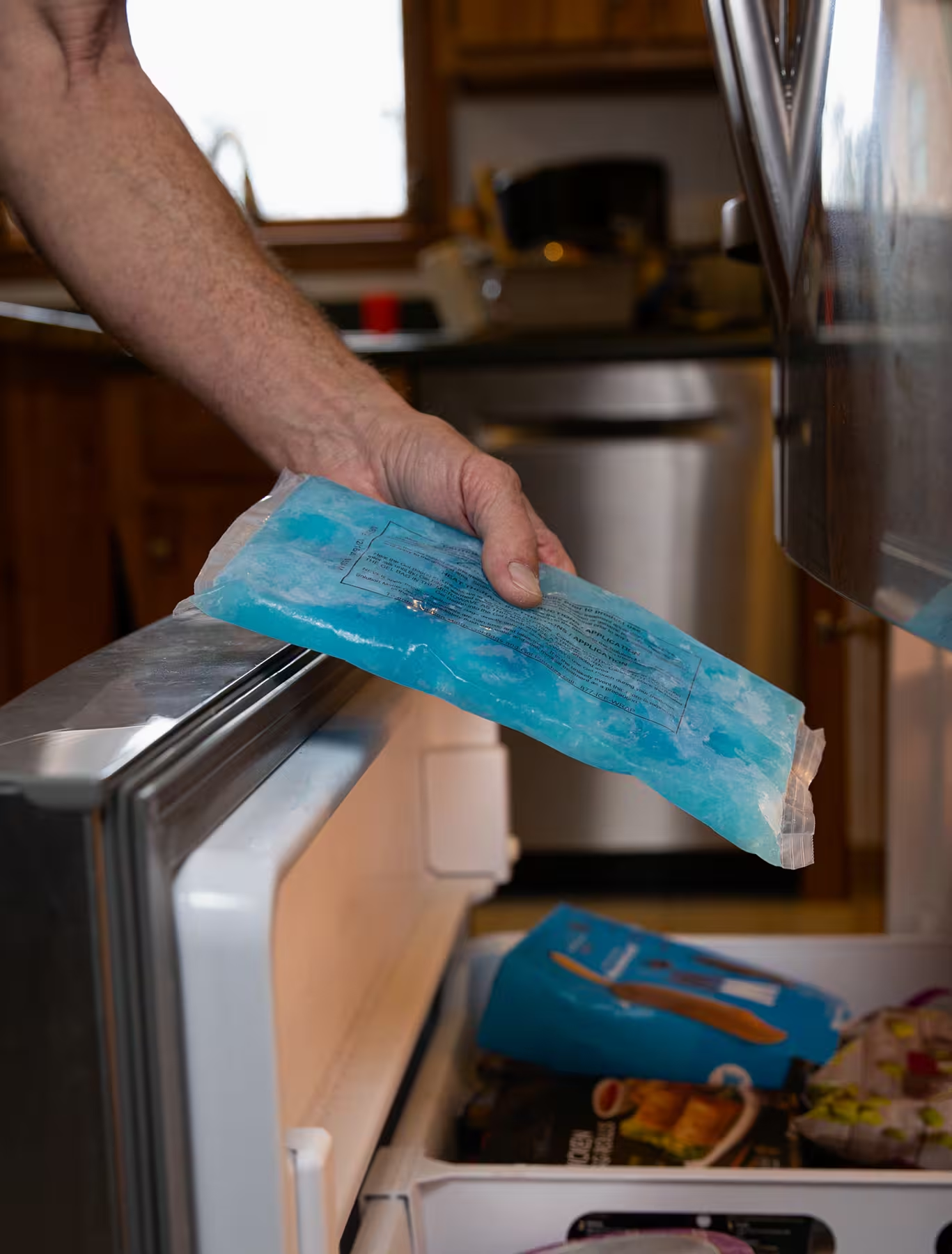
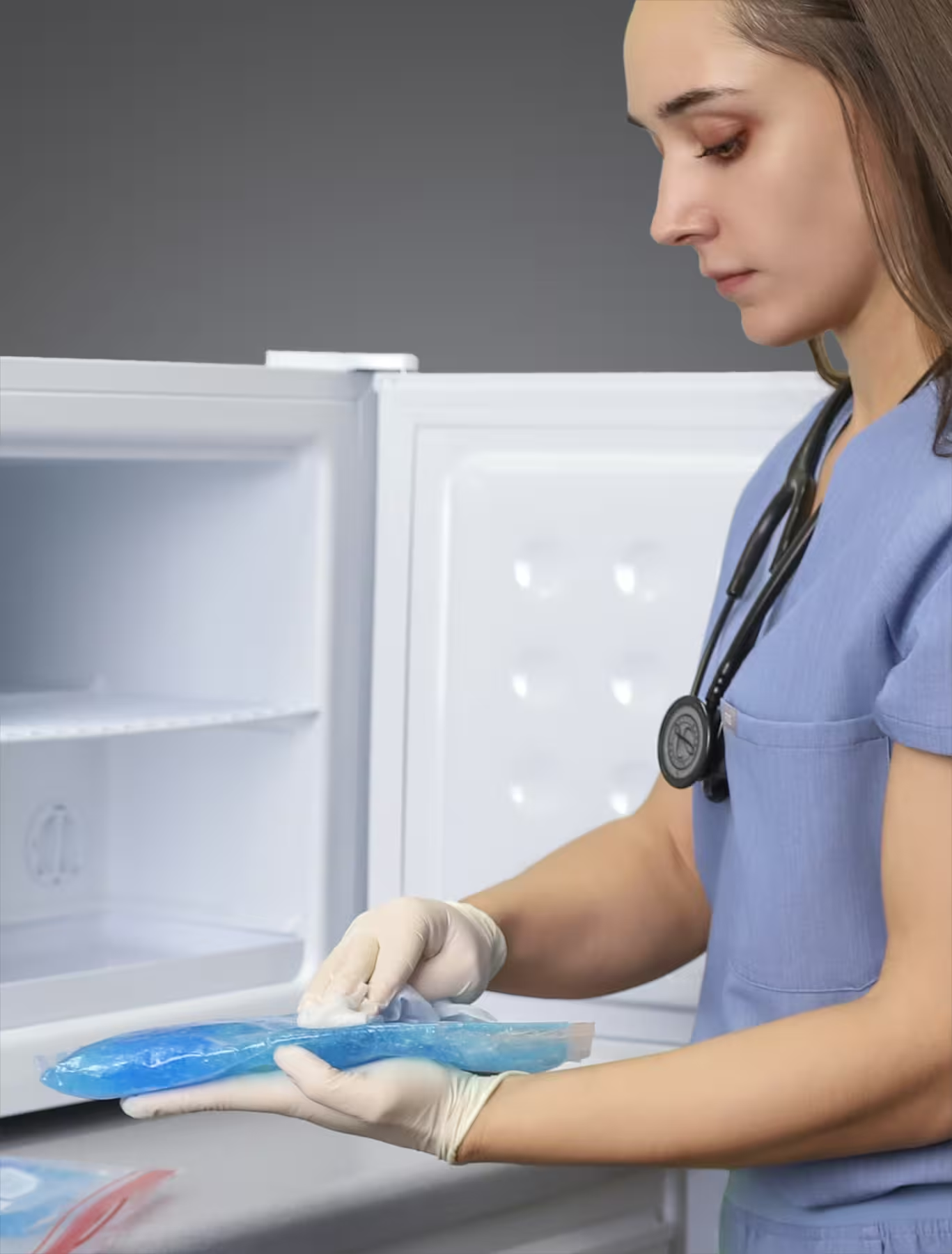
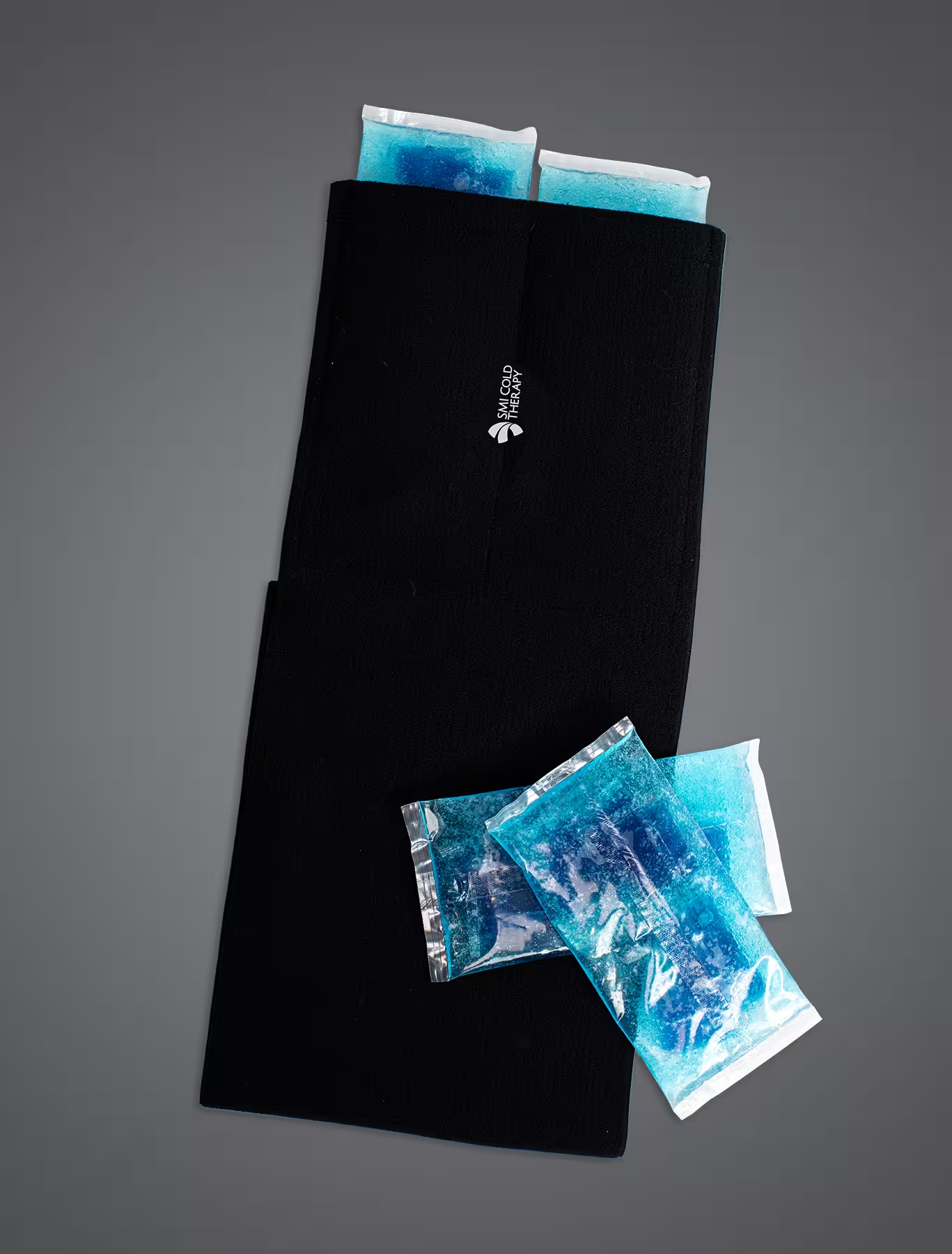
Every wrap in the SMI line uses the same reusable gel bag system, which is what makes the whole product line practical for repeated clinical use instead of disposable ice packs. The small gel bags used in our compact wraps are shown lined up side by side before use, inserted into a wrap and ready for treatment, and on their own in this detail shot. They’re also compatible with our compact PDK wrap, shown fitted with the small gel bags in place. For larger wraps, the standard gel packs are shown crossed over one another before packing, already seated inside a wrap’s pockets, and laid out individually against a plain background. Between uses, the packs go back into the freezer, as shown with a pack being placed into the freezer and with a nurse restocking the freezer supply, so a fresh set is always ready for the next patient.
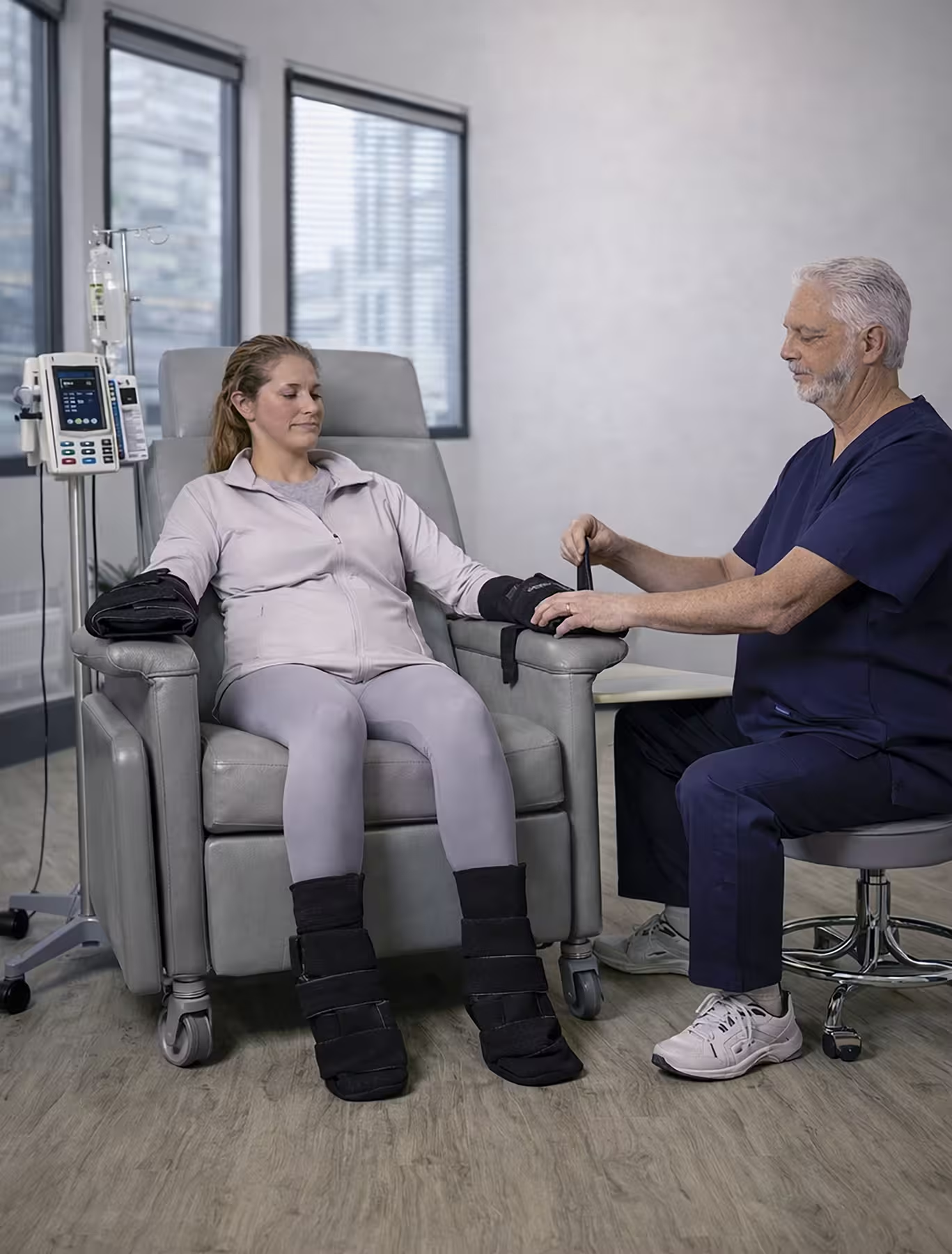
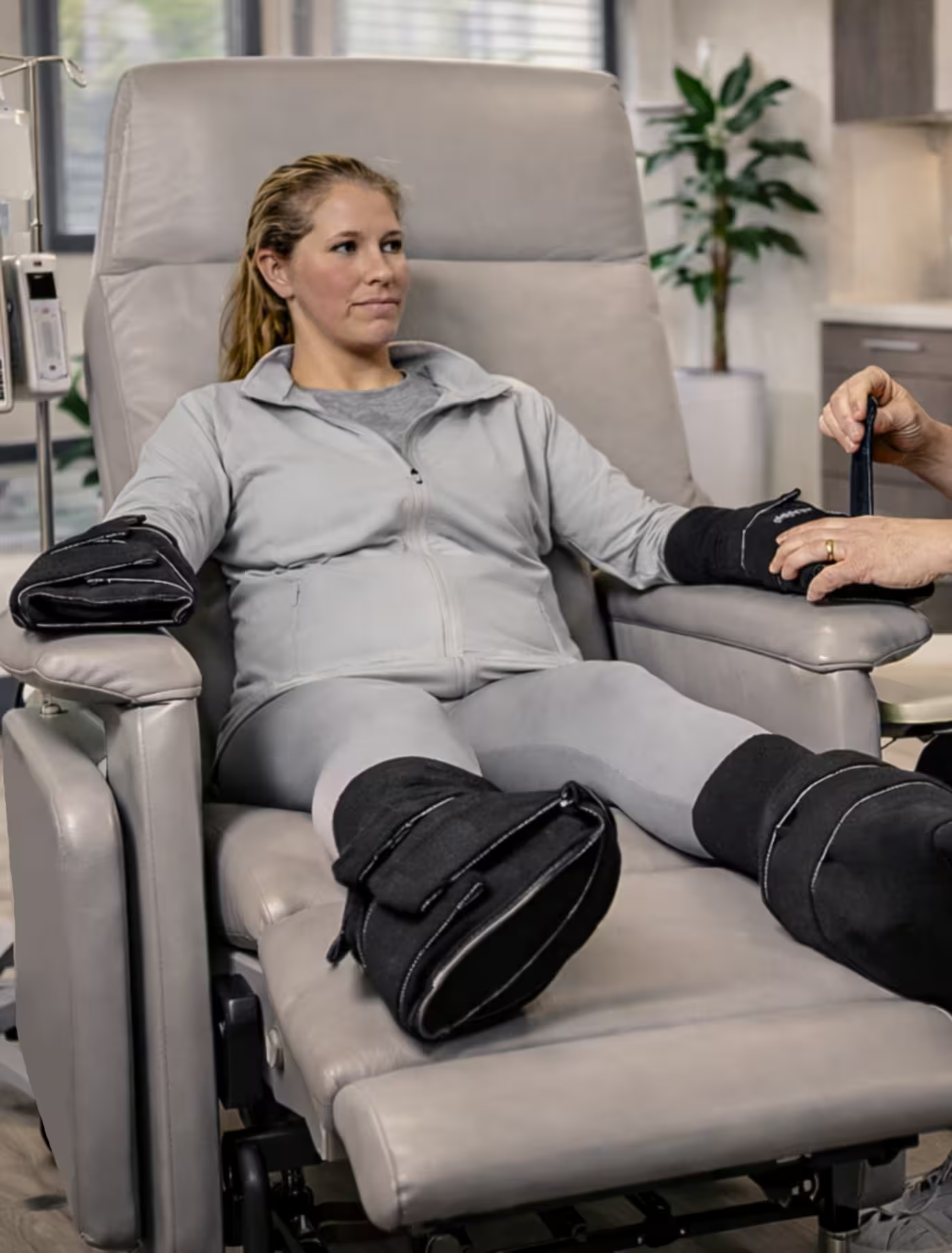
Cold therapy wraps are often introduced during an infusion visit rather than after a separate consult, and our infusion center, where many patients are first fitted for a wrap is set up to make that handoff simple. A patient resting comfortably with their feet elevated during treatment shows the kind of low-stress environment we aim for, and a clinician checking in with a patient mid-treatment reflects the ongoing support patients get throughout a session, not just at the initial fitting.
Every wrap ships with clear guidance so patients can continue treatment safely at home between clinical visits. Our chemo wrap use-instruction sheet walks through gel pack timing, wear duration, and skin-check guidelines specifically for patients using cold therapy during chemotherapy infusions, where consistent, well-timed cooling can make a meaningful difference in comfort.
We hear regularly from patients about how much a well-fitted wrap changes their recovery experience. One patient’s account, documented in our neuropathy patient testimonial, describes the difference consistent cold compression made in managing chronic nerve-related discomfort over the course of treatment.
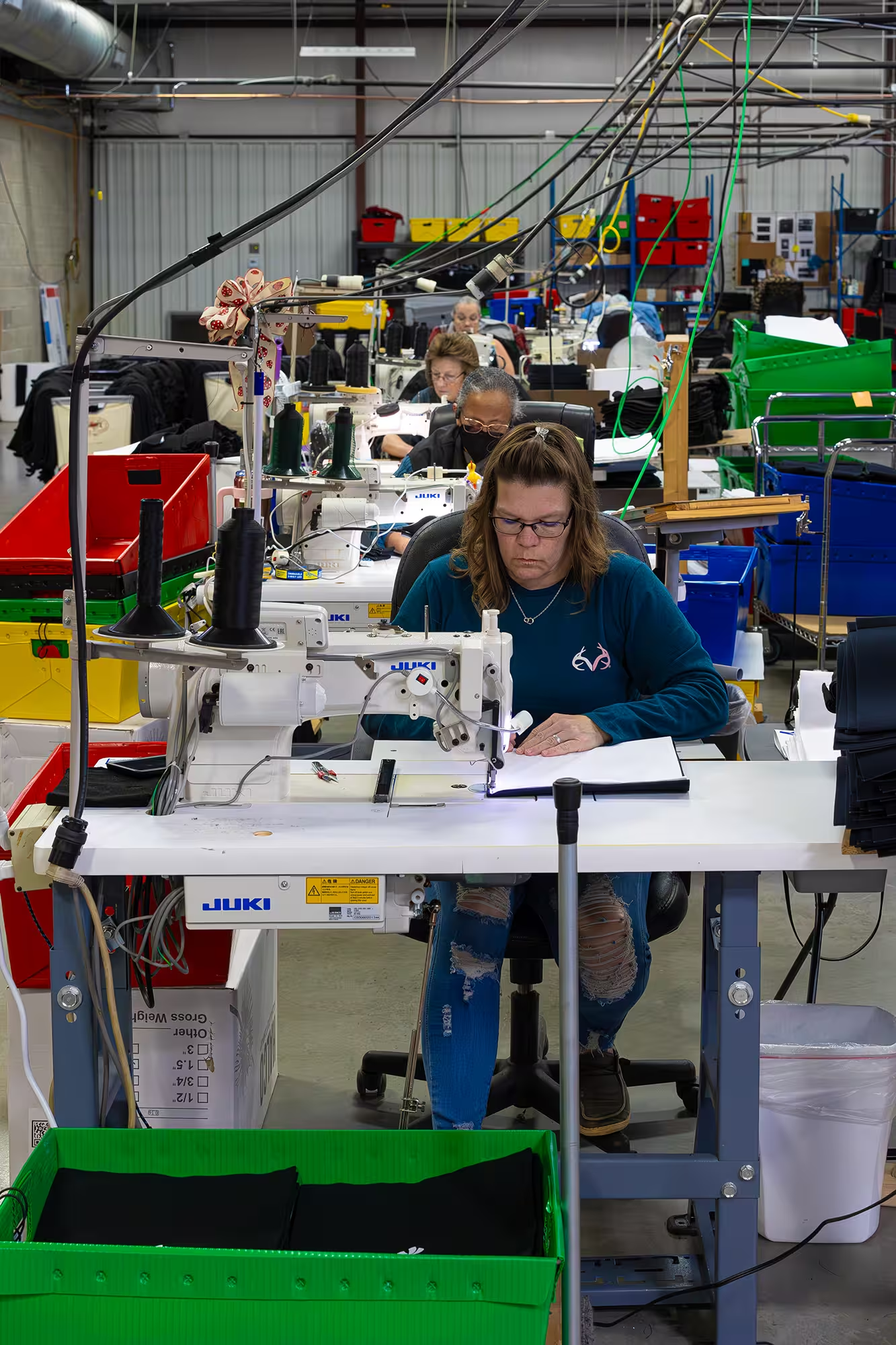
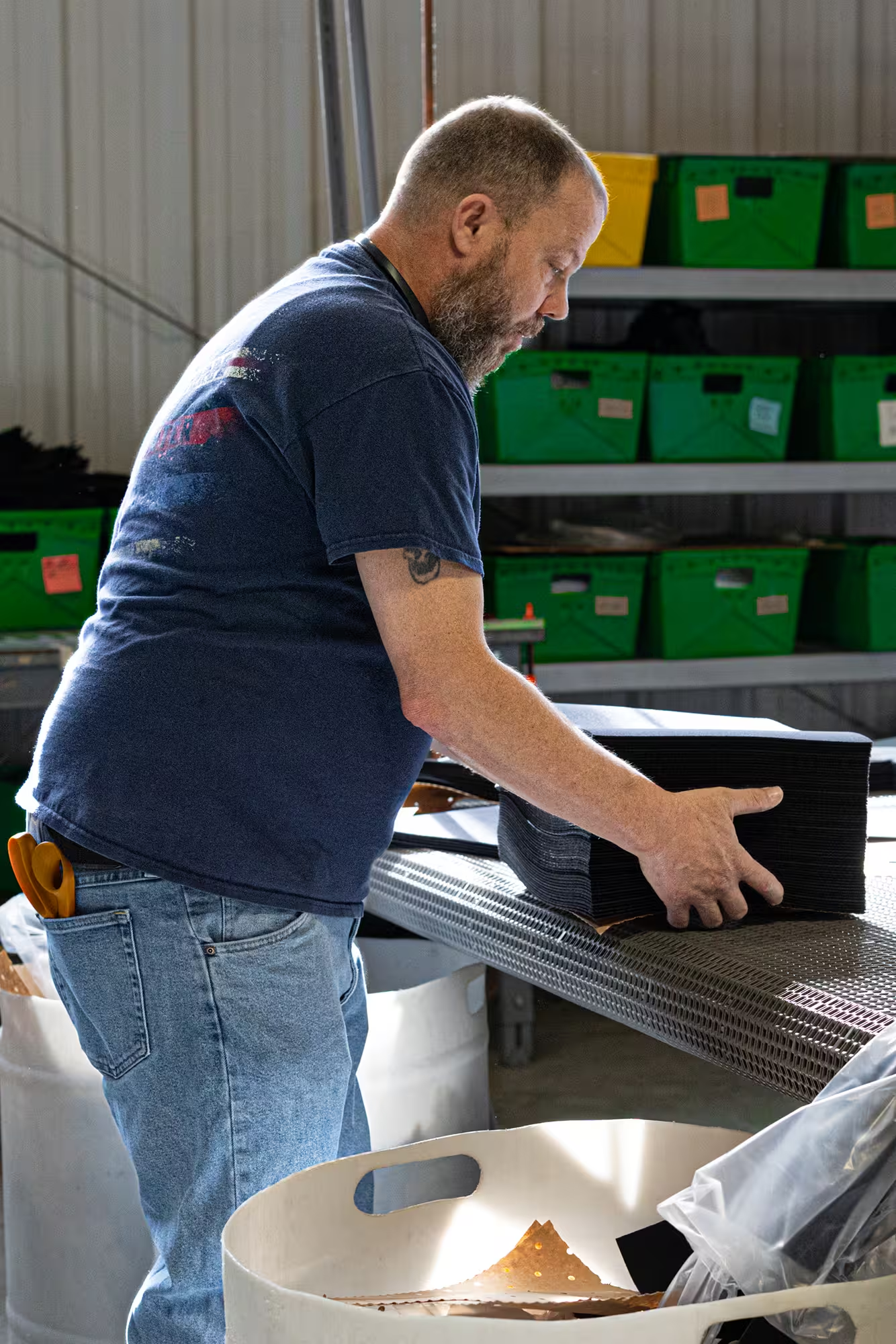
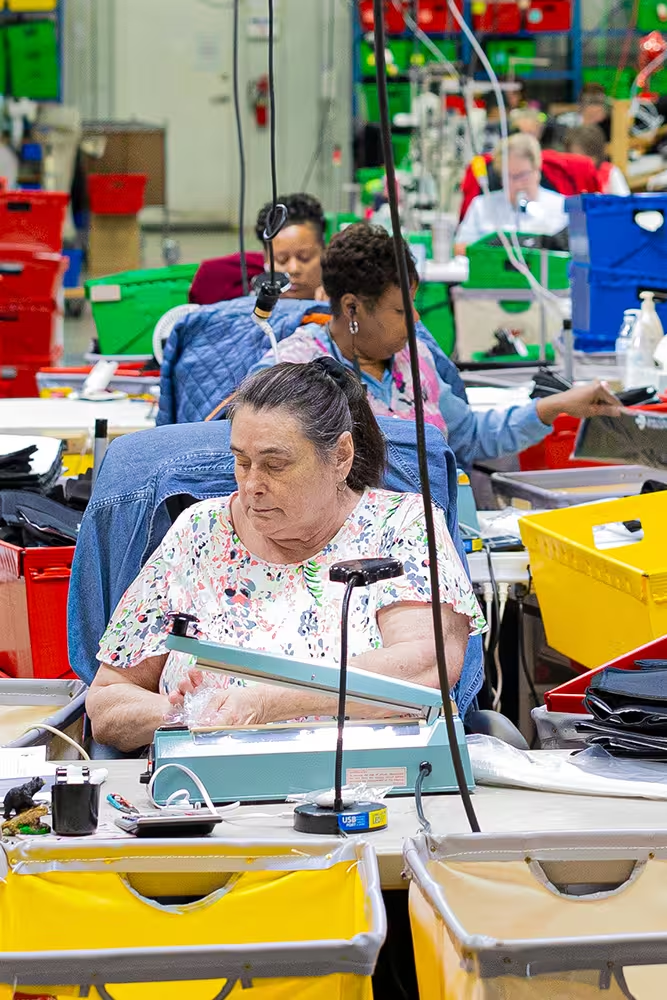
Every wrap described above is cut, knit, and sewn at our own facility rather than outsourced, which is part of how we keep quality consistent across the whole product line. The production floor, shown here, is where raw material becomes finished wraps, and a wider view of the facility gives a sense of the full scale of operations. A closer look at one of the production stations and another view further down the line show the process in stages, and a final view of the finishing area completes the tour.
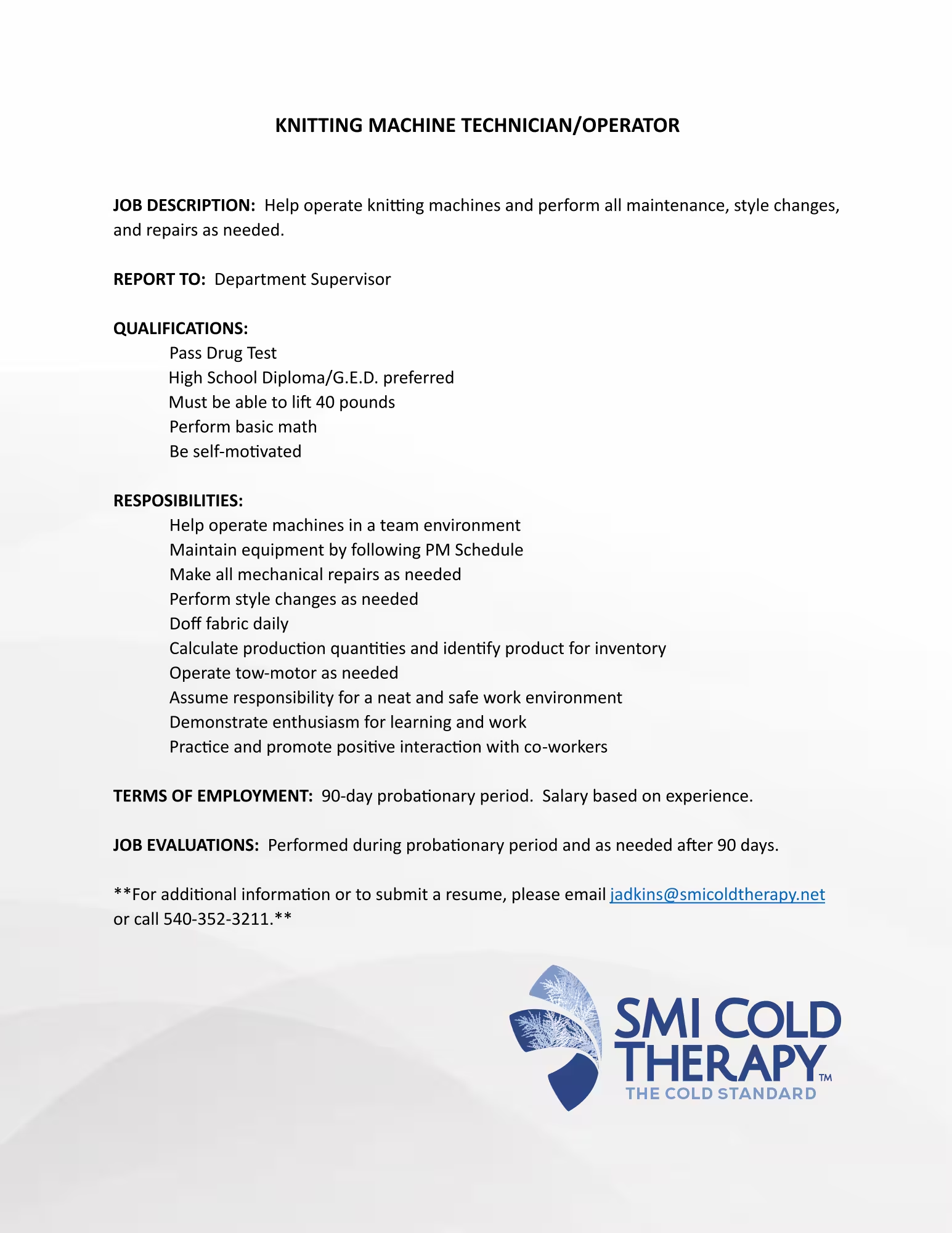
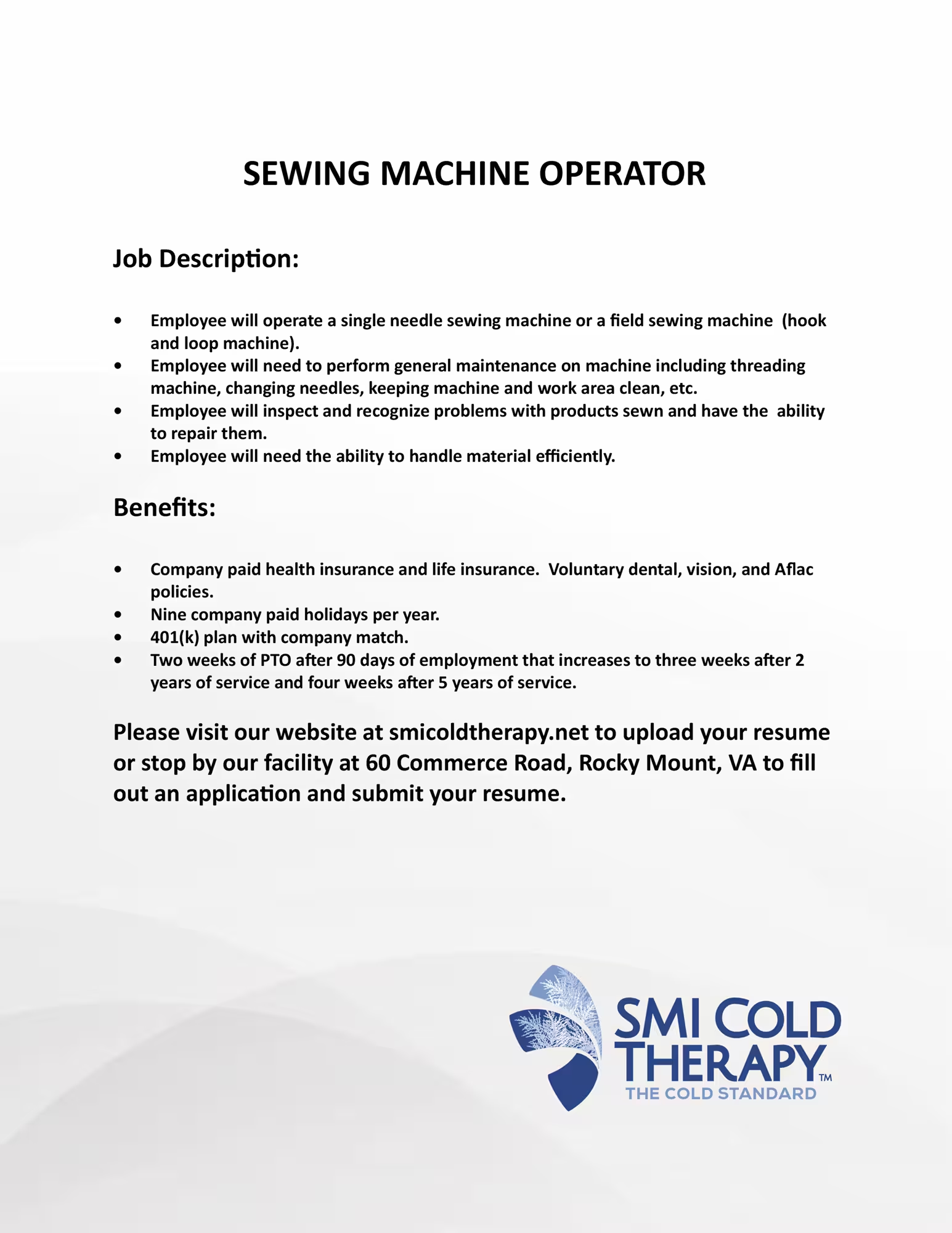
Because we manufacture in-house, our production team is always core to what we do, and we’re regularly hiring for it. Current openings include a knitting machine technician role and a sewing machine operator position, both based at the facility shown above. On the sales side, we’re also looking to fill a territory manager role covering the Southeast, working directly with clinics and infusion centers to get these wraps into more patients’ hands.
From the science of how controlled cold exposure aids recovery, through every wrap style we manufacture, to the gel bag system and clinical support behind them, SMI’s cold therapy line is built around one goal: making consistent, well-timed cold compression easy for both clinicians and patients. Whichever wrap fits a patient’s treatment area, the same reusable gel bag system, in-house manufacturing standards, and clinical support apply across the board.